Unstoppable Rhythms: Inside Toronto’s Caribbean Grand Finale Culture
By Gbenga Ayandare —
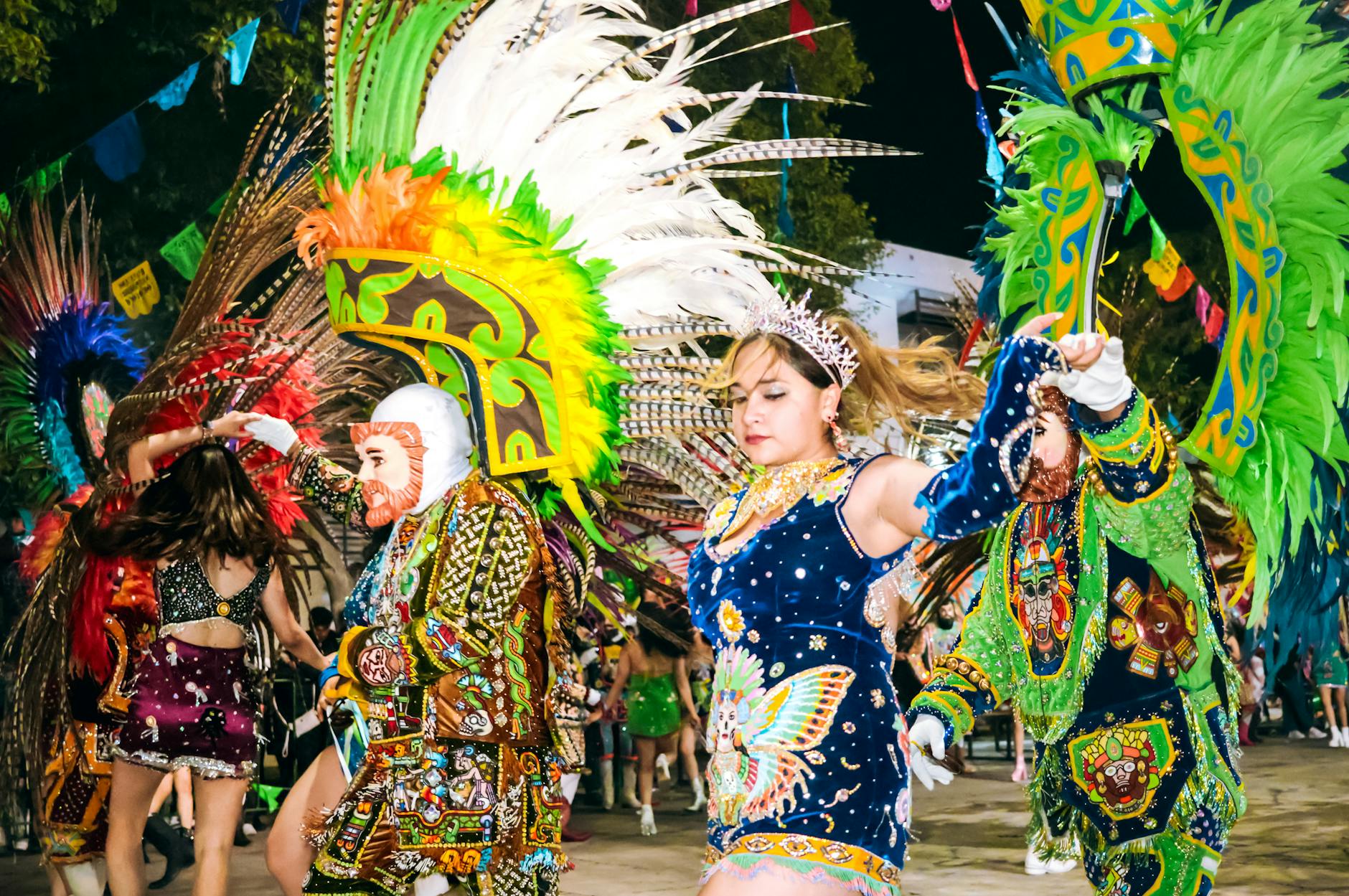
Rhythms on the Waterfront: Toronto’s Caribbean Grand Finale Unfurled
Every year as late summer peaks, the concrete pulse of Lake Shore Boulevard in Toronto gives way to something extraordinary. The heavy rumble of commuter traffic is replaced by the electrifying thrum of soca, the bright, metallic shimmer of steelpans, and the kaleidoscope of tens of thousands of revellers in brilliant feathered masquerade regalia. North America’s largest cultural festival—the Toronto Caribbean Carnival, affectionately known to generations simply as Caribana—reaches its breathtaking climax during its Grand Finale weekend.
For three days, Canada’s largest metropolis yields its center stage to the energy, artistry, and historical depth of West Indian culture. What culminates in an eight-hour, three-and-a-half-kilometer procession along the shores of Lake Ontario is far more than an energetic party; it is a profound declaration of identity, freedom, and community resilience that draws upwards of 1.3 million spectators and participants from around the globe.
This article reflects cultural and event information available at the time of writing. Schedules, festival logistics, and event programming are subject to change by organising bodies.
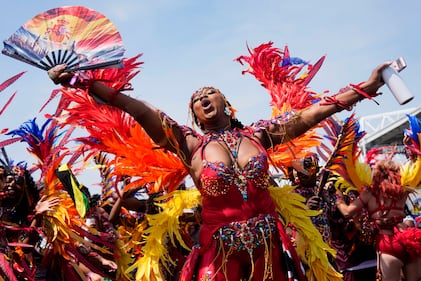
From Expo 67 to North America's Largest Cultural Spectacle
To understand the depth of Toronto’s Caribbean Grand Finale, one must travel back to 1967. As Canada celebrated its Centennial, a dedicated group of West Indian immigrants—including community icons such as Dr. Rita Cox and the late carnival artist Kenneth Shah—formed the Caribbean Cultural Committee. Their goal was simple yet ambitious: to present a gift of West Indian culture to their newly adopted home and foster greater understanding among Torontonians.
That inaugural parade on Yonge Street drew an astonishing 50,000 onlookers, far exceeding expectations. What was originally conceived as a one-off Centennial event quickly became an annual cornerstone of Toronto’s cultural calendar. Over six decades, the event expanded from its modest roots into a pan-Caribbean phenomenon, moving to University Avenue and eventually settling along the expansive grounds of Exhibition Place and Lake Shore Boulevard West.
Today, the Toronto Caribbean Carnival stands as a towering testament to the enduring presence and influence of the Caribbean diaspora in Canada. It represents the realization of its founders’ vision: transforming a minoritarian cultural expression into an indelible piece of Canadian heritage.
The Sacred Connection: Carnival and Emancipation Day
While the feathers, glitter, and pulsing basslines command immediate attention, the spirit of the Grand Finale is deeply tied to historical liberation. The culmination of the carnival traditionally aligns with Emancipation Day on August 1st, marking the landmark day in 1834 when the Slavery Abolition Act came into effect across the British Empire.
For Caribbean people, masquerade and carnival are fundamentally rooted in resistance and freedom. During the era of chattel slavery, colonial authorities barred enslaved Africans from participating in European pre-Lenten masquerade balls. In response, enslaved communities established their own traditions in secret—blending West African masked drumming, storytelling, and street theatre. When emancipation finally arrived, former slaves poured into the streets of Trinidad, Jamaica, and across the West Indies, using masquerade (or mas) to reclaim their bodies, their music, and their freedom.
“Carnival is not merely an entertainment event; it is an evolution and expression of freedom, identity, and ancestral independence brought to life on the streets.”
When revellers dance down Lake Shore Boulevard today, they carry forward this legacy of resistance. The joyful noise of the Grand Parade is, at its core, a celebration of liberty hard-won by ancestors who demanded their humanity be recognized.
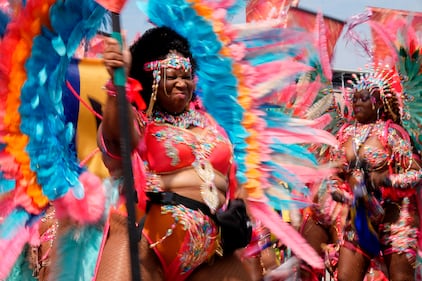
Anatomy of the Grand Finale Weekend
The Grand Finale is not a single moment, but a carefully orchestrated crescendo of cultural events that build over the long weekend. Each phase highlights a distinct discipline of Caribbean carnival arts:
1. The King and Queen Showcase
The weekend kicks off in majestic fashion at Allan A. Lamport Stadium with the King and Queen Showcase. Here, band leaders and senior masqueraders unveil massive, hand-crafted structures that can measure up to 30 feet tall and weigh hundreds of pounds. Built over months in local workshops known as mas camps, these architectural marvels feature intricate wire-bending, kinetic mechanics, pyrotechnics, and thousands of yards of sparkling fabric. Judges evaluate the costumes based on creativity, visual impact, and how gracefully the performer maneuvers the colossal apparatus across the stage.
2. Pan Alive: The Battle of the Steelpans
On Carnival Friday night, the rhythm shifts to the steelpan—the only major acoustic instrument invented in the 20th century. Hosted by the Ontario Steelpan Association, Pan Alive gathers elite steel orchestras from across North America. Dozens of musicians per orchestra perform complex, polyphonic arrangements of soca and calypso classics, creating an intoxicating wall of melodic percussion that echoes late into the night.
3. J’ouvert: The Break of Day
Before the grand sunlit parade comes J’ouvert (derived from the French jour ouvert, meaning 'daybreak'). In the early morning hours before dawn, revellers gather covered in paint, mud, oil, and powder. Free from the formal glamour of elaborate costumes, J’ouvert is an unfiltered, ecstatic ritual of liberation where social barriers dissolve under the morning sky.
4. The Grand Parade
The main event takes over Exhibition Place and Lake Shore Boulevard from early Saturday morning until evening. Tens of thousands of masqueraders, organized into rival Mas Bands (such as Saldenah Mas-K Club and Toronto Revellers), march alongside massive sound trucks pumping high-decibel soca music. Spectators line the route by the hundreds of thousands, cheering as section after section passes by in a tidal wave of vibrant colour.
The Art of Playing Mas and the Power of Soca
To participate in the Grand Parade is not simply to watch—it is to "play mas." Masqueraders spend months choosing their sections, customizing their costumes, and preparing for hours of continuous dancing. Costumes are categorized into themes ranging from ancient mythology and tropical flora to futuristic science fiction, with each band bringing hundreds of revellers together under a unified artistic vision.
Driving every step of the parade is the infectious energy of Soca (a genre born from soul and calypso in Trinidad and Tobago). High-bpm soca tracks, infused with heavy bass and brass fanfares, dictate the rhythm of the road. Anthems from legendary soca artists like Machel Montano, Bunji Garlin, Destra Garcia, and Alison Hinds ring out from sound trucks, uniting masqueraders in synchronized motion.
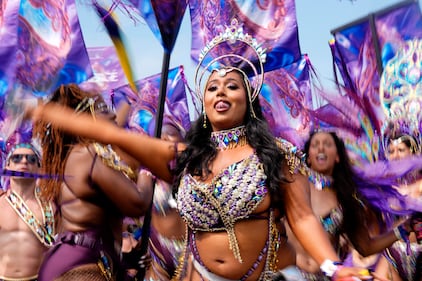
An Economic Engine for Toronto and Ontario
Beyond its immense cultural value, the Caribbean Grand Finale is a monumental economic powerhouse. Tourism and municipal data highlight the festival's transformative financial impact on the region:
| Metric | Economic Impact / Figures |
|---|---|
| Total Economic Contribution | Approximately $500 Million annually to Ontario's economy |
| Total Festival Attendance | Over 1.3 Million to 2 Million participants and spectators |
| Out-of-Town Visitors | Over 750,000 domestic and international tourists |
| Jobs Supported | More than 3,300 direct and indirect jobs |
| Tax Revenue Generated | Over $180 Million across federal, provincial, and municipal levels |
Hotels across the Greater Toronto Area reach peak occupancy months in advance, while local restaurants, transport services, and small businesses enjoy one of their most lucrative weekends of the year. Furthermore, the event serves as a crucial bridge for financial remittances, as international performers and vendors reinvest earnings back into Caribbean creative economies.
A Transnational Cultural Bridge
For readers across North America, the Caribbean, and Africa, Toronto’s Grand Finale illustrates the power of diaspora communities to reshape global cultural geography. In what commentators often describe as "soft power in reverse," West Indian immigrants brought an ancestral tradition north to Canada, where it took root so deeply that it became one of the country's signature public celebrations.
Moreover, the festival serves as a gathering ground for the broader Black and African diaspora. Visitors from the United Kingdom, the United States, Continental Africa, and South America congregate in Toronto to share in a collective celebration of Black pride, creative expression, and intergenerational joy.
Conclusion
The Caribbean Grand Finale in Toronto is far more than an annual long-weekend festival; it is a triumphant expression of history, community, and artistic mastery. From its quiet origins as a Centennial gesture in 1967 to its current status as a half-billion-dollar cultural juggernaut, the event proves that culture is a living, breathing force. As the final soca bassline fades over Lake Ontario and revellers shed their feathers until next summer, the spirit of emancipation, unity, and unyielding joy remains firmly etched into the soul of the city.
Sources
- Toronto Caribbean Carnival Official Organization
- The Canadian Encyclopedia: Toronto Caribbean Carnival (Caribana)
- Museum of Toronto: History of Caribana & the Grand Parade
Category: Entertainment