Crucial Questions to Ask Before Marriage: The Essential Pre-Marital Conversation Guide
By CelebUD —

A lavish wedding ceremony lasts a single afternoon, but marriage is an ongoing, lifelong negotiation. Too often, couples pour countless hours and thousands of dollars into selecting floral arrangements, tasting artisanal cakes, and finalizing seating charts, while leaving the architecture of their future partnership entirely unexamined. When the music fades and the honeymoon luggage is unpacked, the reality of coexisting with another human being sets in.
Entering a marriage without having candid, sometimes uncomfortable conversations is like signing a business contract without reading the terms. Compatibility is not simply a feeling of deep affection; it is a shared vision for handling money, raising children, dealing with in-laws, navigating conflict, and honoring individual ambitions. Engaging in intentional pre-marital discussions does not diminish romantic passion. On the contrary, it builds psychological safety, uncovers hidden expectations, and reinforces the foundation upon which enduring partnerships are built.

1. Financial Transparency and Wealth Management
Money remains one of the primary drivers of relationship dissatisfaction and divorce across cultures. Everyone arrives at adulthood with a distinct financial blueprint formed by childhood experiences, cultural expectations, and socioeconomic circumstances. Whether one partner is an inveterate saver while the other views money as a tool for present enjoyment, alignment begins with radical transparency.
Before merging your life with someone else, you must exchange concrete numbers rather than vague generalizations. Laying out debts, assets, income streams, and credit scores ensures that neither party encounters sudden shocks down the road.
- What are our exact debts, assets, and credit ratings? Full disclosure regarding student loans, consumer debt, vehicle financing, or personal loans is essential. Concealing financial distress erodes trust instantly.
- How will we organize our accounts? Will you operate a fully pooled household account, maintain completely separate bank accounts with proportional contributions to shared expenses, or use a hybrid model?
- What is our philosophy on savings, investments, and retirement? Does one partner prioritize early retirement through aggressive investing, while the other values lifestyle expenditures, luxury vacations, and home upgrades?
- What constitutes an expenditure threshold? Establish a spending amount that requires mutual consultation beforehand—whether that figure is $100 or $1,000—to avoid impulse purchases causing resentment.
- What are our expectations regarding financial support for extended family? In many African communities and immigrant households in Canada, supporting parents, siblings, or contributing to extended family emergencies is a standard moral duty. Agreeing on sustainable boundaries for familial remittances prevents deep-seated friction later.
2. Children, Parenting Philosophies, and Domestic Roles
Assuming that you and your partner will automatically agree on family planning simply because you both love children is a risky proposition. Conversations about offspring must move beyond the binary question of whether you want them and dig deep into the messy, exhausting realities of raising them.
If you desire children, the discussion must tackle timing, biological realities, and caregiving philosophies. If infertility strikes, where do you draw the line regarding expensive fertility treatments, surrogacy, or adoption? Furthermore, how will household responsibilities shift once a baby arrives?
"Unspoken domestic expectations are fertile soil for unspoken resentment. Clarifying who does what before exhaustion sets in protects marital goodwill."
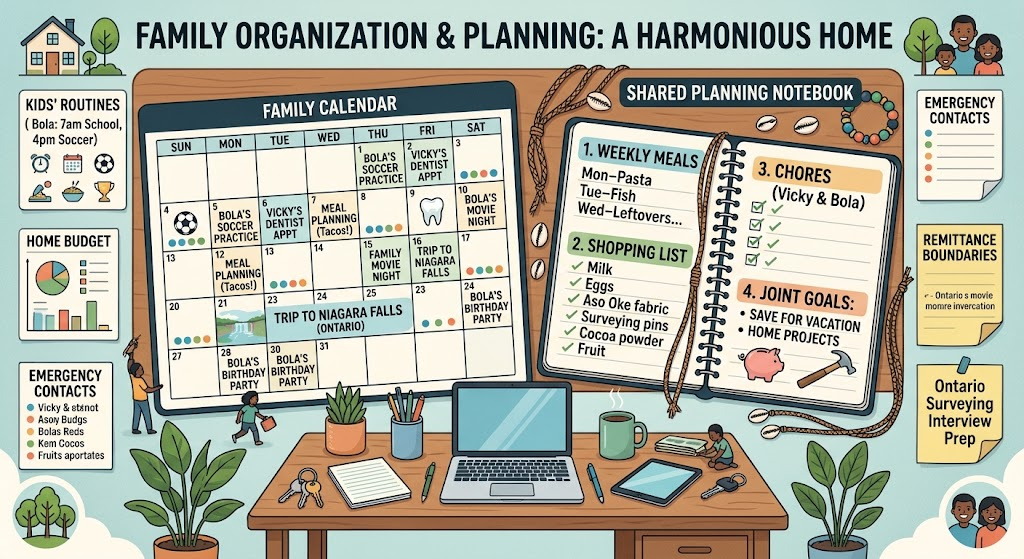
Couples should also confront how their daily home life will operate. The modern home requires clear delegation: who manages meal preparation, laundry, vehicle maintenance, pet care, and administrative tasks like filing taxes or scheduling doctors appointments? If one partner holds traditional assumptions about gendered division of labor while the other expects egalitarian co-parenting and co-chore distribution, conflict is inevitable.
3. Extended Family, In-Laws, and Cultural Boundaries
When you marry, you do not merely marry an individual; you enter into relationship with an entire family ecosystem. Navigating the influence, demands, and traditions of in-laws requires a united front. Without clear boundaries, parental intrusion can strain even the most loving marriages.
These boundaries become especially significant in multi-cultural, multi-ethnic, or diaspora unions, where traditions surrounding weddings, holiday gatherings, and elder care can collide dramatically.
- How will we split holidays and major family milestones? Will you alternate Thanksgiving, Christmas, Eid, or traditional cultural festivities, or host them yourselves?
- Where do we draw the line on parental involvement in marital decisions? If parents offer unsolicited advice on child-rearing, real estate choices, or relationship conflicts, how will the couple defend their autonomy?
- What are the long-term expectations for elder care? Do you foresee elderly parents moving into your home, moving into assisted living nearby, or receiving financial stipends?
- How do we handle cultural or religious differences between our families? Respecting ancestral heritage while creating your own sovereign family culture requires deliberate balance.
4. Core Pre-Marital Conversation Checklist
To help partners organize their discussions systematically, this checklist summarizes the critical domains that every engaged couple should address before tying the knot.
| Domain | Key Question to Ask | Underlying Objective |
|---|---|---|
| Finances | How will we budget, clear debt, and support extended family? | Establish fiscal transparency, prevent financial infidelity, and align on lifestyle goals. |
| Family Planning | How many children do we want, and what if we struggle to conceive? | Clarify biological and parenting visions, including fertility contingencies and adoption. |
| Domestic Labor | How will household chores, caregiving, and administrative duties be divided? | Prevent domestic imbalance, mental load burnout, and subtle gendered assumptions. |
| Conflict Style | How do we behave when we are angry, and how do we repair rupture? | Cultivate emotional regulation, eliminate toxic fighting patterns, and prioritize repair. |
| Faith & Values | What role will religion, morality, and social values play in our home? | Ensure spiritual compatibility and avoid ideological conflict in raising children. |
| Intimacy & Fidelity | What explicitly counts as a breach of trust, emotionally or physically? | Define mutual boundaries, frequency expectations, and protections against infidelity. |
5. Conflict Resolution, Communication, and Emotional Safety
Every couple argues; healthy couples know how to resolve their disputes constructively. Pre-marital dialogue must explore how both partners respond to distress, criticism, and vulnerability. Do you retreat into cold withdrawal, or do you become combative and defensive? Recognizing each other's emotional triggers and de-escalation needs is essential for long-term survival.
Discussing mental health is equally vital. Inquiring about past struggles with anxiety, depression, substance misuse, or inherited family trauma allows partners to offer compassionate support rather than judgment when challenges surface. Knowing whether your partner is open to individual or marital therapy if problems escalate can determine whether a rough season leads to healing or dissolution.

6. Intimacy, Fidelity, and Non-Negotiables
Physical and emotional intimacy evolves over time. Illness, career stress, postpartum shifts, and aging all impact desire and affection. Having an honest conversation about sexual compatibility and expectations sets realistic baselines for a sustainable relationship.
Equally critical is establishing unambiguous parameters around fidelity. In the digital age, infidelity takes many shapes—from secret conversations on social media platforms and emotional enmeshment with coworkers to outright physical betrayal. Couples must clearly articulate what behavior crosses the line. What are your boundaries regarding close friendships with members of the preferred gender, sharing personal marital struggles with outside confidantes, or interacting with former partners?
Conclusion
Approaching marriage with open eyes and an open heart requires the courage to pose difficult questions and listen intently to the answers. These pre-marital discussions should not feel like an adversarial cross-examination; rather, they are an act of profound vulnerability and collaborative world-building. By addressing money, family dynamics, domestic life, conflict resolution, and personal values before exchanging vows, you strip away romantic illusions and replace them with mutual respect, resilient trust, and a shared architecture capable of withstanding life's inevitable storms.
Sources
- The Gottman Institute – Research-Based Approaches to Relationships
- American Psychological Association – Marriage and Relationship Health
- The Vanier Institute of the Family – Family Trends and Living Arrangements
Disclaimer: This article is intended solely for educational and informational purposes and does not constitute formal relationship therapy, psychological counsel, or legal advice. Couples experiencing significant distress or preparing for marriage should consult with a licensed marriage and family therapist (LMFT) or professional pre-marital counselor.
Category: Lifestyle