Eight clues in your family history that could mean you’re a Canadian citizen by descent
By CelebUD Newsroom —
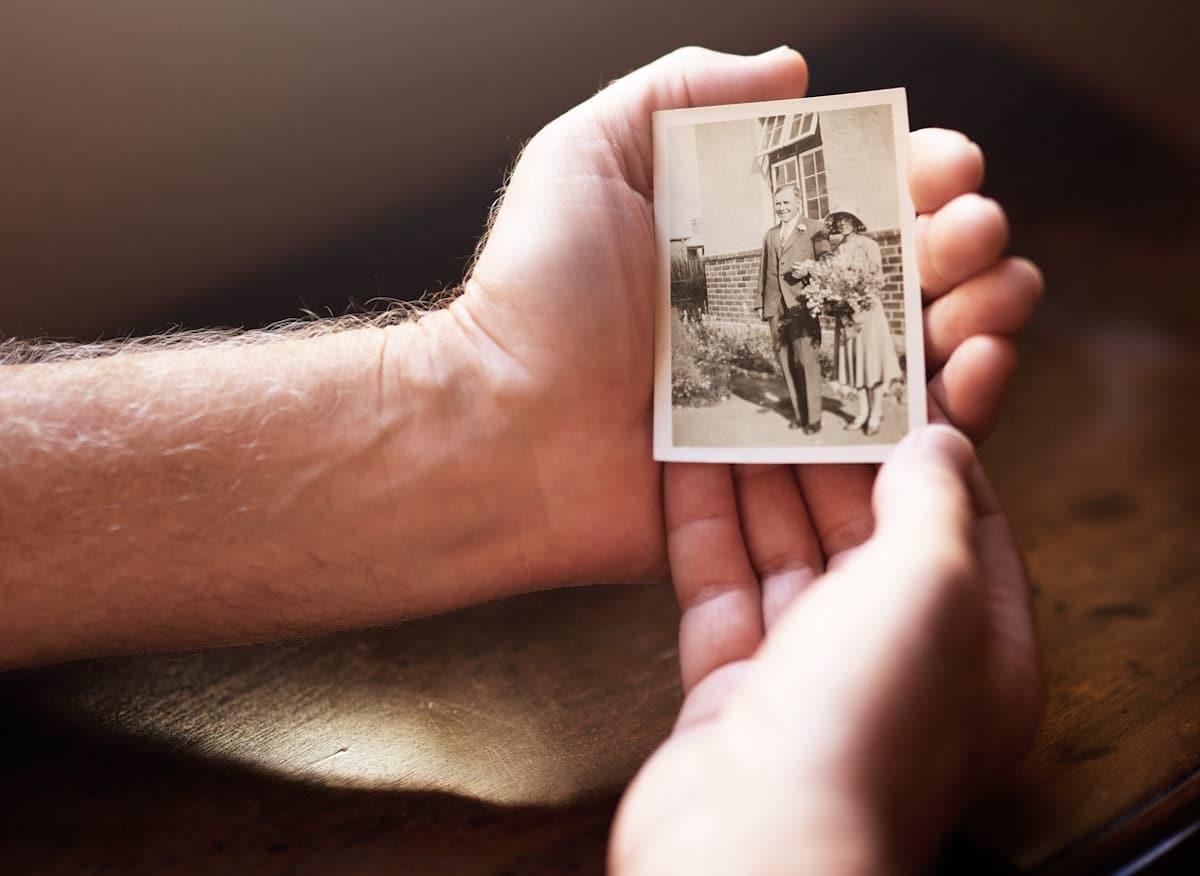
A sweeping change to Canada's nationality laws is unlocking citizenship for tens of thousands of people around the world each month, particularly across the United States. Following the implementation of Bill C-3 on December 15, 2025, the historic restriction that blocked foreign-born descendants from inheriting status past their parents' generation has been eradicated. For countless individuals who previously assumed their northern ties were purely decorative branches on a family tree, the legal shift transforms distant heritage into an enforceable right to a Canadian passport.
Because nationality in Canada fundamentally rests on established bloodlines and statutory definitions rather than mere residency, unraveling your lineage can yield surprising results. While no single family trait offers a blanket guarantee of citizenship, specific ancestral milestones, geographic ties, and historical migration trends significantly heighten the probability that you are legally Canadian without knowing it.
The Bill C-3 Revolution: Ending the Generational Cut-Off
For decades, Canadian citizenship law enforced a strict rule known as the first-generation limit. Under that former framework, a Canadian parent who was born abroad could not transfer citizenship to a child also born outside the country. This left generations of families—often dubbed “Lost Canadians”—legally disconnected from their ancestral home despite unbroken lineage.
The legal landscape shifted dramatically with the enactment of Bill C-3 on December 15, 2025. By abolishing the generational cap, the updated statute permits citizenship to transfer consecutively from parent to child through multiple overseas generations, provided each link in the unbroken chain is formally documented. Individuals born abroad prior to the legislation taking effect can now step forward to assert their status, provided that an uninterrupted chain of transmission extends back to an ancestor who possessed recognized Canadian nationality.
Key Family History Clues Pointing to Canadian Citizenship
Navigating decades of cross-border family movements requires examining distinct signals in domestic records, naming traditions, and geographic history. Here are eight primary clues that suggest you may hold a valid claim.
1. Direct Birth Links: Grandparents and Distant Forebears
The single most potent indicator is having an ancestor who was born on Canadian territory. By law, birth in Canada almost universally grants domestic citizenship automatically—even if the person was taken abroad in infancy or was born during an incidental trip, such as an expectant mother traveling through Montreal. Because ancestral pools double with each receding generation—four grandparents, eight great-grandparents, and up to 64 great-great-great-great-grandparents—having merely one person in that expansive group born north of the border establishes the foundational anchor needed under current law.
2. The Phenomenon of “Border Babies”
The border dividing Canada and the United States was historically fluid, with communities interacting closely across boundary lines. In numerous instances, American families sought healthcare in nearby Canadian institutions. During the 1940s, for example, an estimated one-third of all deliveries at Chipman Memorial Hospital in St. Stephen, New Brunswick, involved American mothers crossing for obstetric care. Being born in an adjacent border town does not guarantee status by itself, but it significantly elevates the likelihood that an ancestor came into the world inside Canadian borders.
3. Surnames, Anglophone Translations, and “Dit” Names
Nomenclature often reveals hidden roots. Classical French-Canadian names such as Tremblay, Bouchard, Gagnon, Ouellet, and Lévesque strongly suggest northern ties. However, many monikers underwent deliberate translation upon entering English-speaking communities: Leblanc frequently converted to White, while Boisvert was translated into Greenwood. Furthermore, traditional compound or “dit” names were commonly shortened; an ancestor known as Roy dit Desjardins might have passed down only Roy or only Desjardins to subsequent generations. While French surnames alone can denote origins directly in France rather than Canada, they serve as a clear directive to inspect historical transit records.
4. New England Roots and the Great Hemorrhage
American geographic concentration provides valuable historical context. Between 1840 and 1930, an event known as the Great Hemorrhage saw nearly one million French Canadians migrate southward into New England to staff expanding textile and industrial mills. Their descendants remained in substantial numbers. Today, states such as Maine, New Hampshire, and Vermont record the highest self-reported rates of Canadian ancestry in the United States, with some communities having up to one in four residents possessing an ancestral line back to Canada.
5. Enduring Linguistic and Domestic Traditions
Immigrant households often retained cultural markers across generations. If older relatives spoke French at home or addressed elders as Mémère and Pépère rather than grandma and grandpa, there is a strong possibility of French-Canadian heritage. While French speech can also indicate French, Belgian, or Swiss extraction, such colloquial family titles offer an important clue to investigate early immigration paperwork.
6. Transitory Migration and Canadian Naturalization
Being born in Canada is not the only pathway through which an ancestor could have acquired citizenship. An immigrant who settled in Canada and completed the legal naturalization process carries the exact same weight as a native-born citizen for descent claims, provided that naturalization occurred before the birth of the next child in your lineage. Families fleeing Europe—such as Ukrainian or Polish immigrants who resided in cities like Winnipeg for two decades before migrating south to the United States—frequently naturalized first, creating an eligible root for subsequent generations.
7. Relatives Who Already Hold Citizenship Certificates
If a sibling or direct ascendant has already been formally recognized as a Canadian citizen, they have already performed the heaviest bureaucratic labor by submitting vital records to Immigration, Refugees and Citizenship Canada (IRCC). A granted certificate proves that the government acknowledges the original ancestor's status. For a living relative to assist your case, however, the individual must share the exact ancestral branch; a biological sibling provides an airtight link, whereas a first cousin descended through a different set of grandparents does not.
8. Historical Rejections Under Former Legislation
Many families actively pursued their Canadian background decades ago, only to receive a formal rejection letter citing the first-generation limit. Those files were often abandoned in storage under the assumption that the matter was permanently shut. Because Bill C-3 eliminated that barrier retroactively for individuals born before its implementation date, applications previously rejected on generational grounds may now qualify for outright approval upon resubmission.
Comparing Ancestral Indicators and Legal Impacts
Evaluating your eligibility requires balancing cultural signals against statutory criteria. The following breakdown illustrates how different indicators translate into legal standing:
| Ancestral Scenario | Significance Level | Key Legal Requirement |
|---|---|---|
| Canadian-Born Parent or Grandparent | High | Unbroken chain of parentage; documented birth registry. |
| Naturalized Canadian Ancestor | High | Must have officially naturalized prior to the subsequent child’s birth. |
| Sibling Holds Citizenship Certificate | High | Shared parental documentation proving identical bloodline. |
| Border Hospital Birth (e.g., Chipman Memorial) | Moderate | Verification that the birth physically occurred on Canadian soil. |
| Previous Refusal (Pre-2025 Generational Cap) | High | Demonstrating the prior rejection was based strictly on generation limits. |
| French-Canadian Surnames / New England Lineage | Informational | Serves as a historical clue; requires archival paper trails. |
What this means for Nigerians planning to relocate to Canada
The journey to migrate to Canada through Express Entry, provincial nominations, or international study routes often costs millions of Naira and years of waiting. Yet across Nigeria, many families have forgotten ties to Canada dating back to the 1960s, 70s, and 80s, when Nigerian scholars, doctors, and civil servants studied or worked in Canadian cities before returning home to raise their children.
Under the updated law, an ancestor who completed Canadian naturalization carries the exact same legal weight as someone born on Canadian soil—provided that naturalization took place before the next generation was born. Because Bill C-3 allows citizenship to pass through multiple generations born abroad, a documented lineage tracing back to a parent or grandparent who naturalized in Canada could mean you already possess a direct claim to nationality without needing an immigration visa.
Takeaway: Before investing heavily in fresh immigration programs, ask older relatives about any past Canadian naturalization records, university residencies, or birth certificates tucked away in family archives.
Conclusion
The passage of Bill C-3 represents a profound realignment of Canadian nationality provisions, removing arbitrary generational limits that separated diaspora families from their legal heritage. While cultural markers like inherited French dialects, regional New England roots, and Anglicized surnames offer compelling clues, legal citizenship ultimately hinges on cold documentation: proving an ancestor held legal status at the time their descendant was born, confirming unbroken biological or adopted parentage, and verifying dates of naturalization. As government processing continues and awareness spreads, archival records once forgotten in bureau drawers are now providing tens of thousands of foreign nationals with a direct pathway to legal recognition, domestic rights, and a Canadian passport.
Reporting based on coverage by CIC News - Immigration.
Category: Immigration