Japa and the Parents Left Behind: The Silent Toll of Emigration on Nigerian Families
By Bola Eboh —
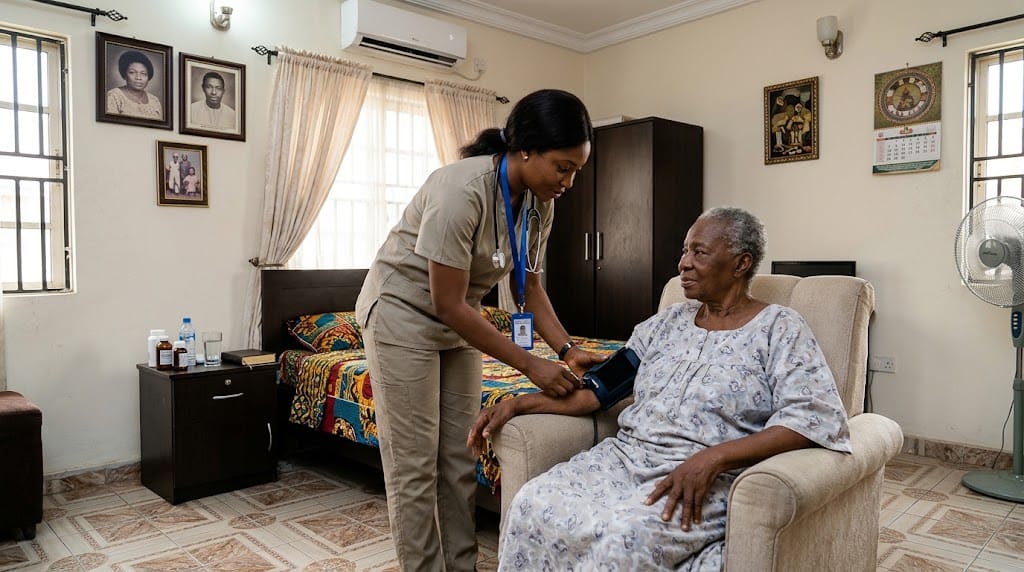
The front door of Florence Adeyemi's four-bedroom bungalow in Magodo, Lagos, stays locked for most of the week. Three years ago, the house hummed with the sound of breakfast preparations, car horns at the front gate, and the chatter of her two adult children dressing for work. Today, Adeyemi, a 67-year-old retired civil servant, shares the compound with a domestic helper and a daytime security guard. Her daughter, a nurse, lives in Leeds; her son, a software engineer, relocated to Calgary in 2024.
“My friends tell me I am blessed because my children escaped the hardship in Nigeria,” Adeyemi says. “They send money every month, and I am grateful. But money does not sit in the parlour to talk to you after evening prayers. It does not notice when your step grows slower.”
Her situation reflects a sweeping demographic shift across Nigeria. The phenomenon known as japa — a Yoruba term meaning to run away or flee — has seen tens of thousands of skilled professionals leave the country for destinations including the United Kingdom, Canada, the United States, Australia, and parts of Europe. While public discussion routinely focuses on visa rules, airport farewells, and the integration hurdles facing newcomers abroad, far less attention falls on the elderly parents who stay behind.

The Economic Push and the Empty Home
The exodus accelerated sharply between 2021 and 2025. Rising inflation, two major devaluations of the Nigerian naira, chronic power shortages, and security concerns created conditions that led university graduates and mid-career professionals to seek stability abroad. According to the UK Home Office, tens of thousands of study and health-and-care worker visas were issued to Nigerian nationals during that peak window. Canada's Express Entry program and provincial nominee routes absorbed thousands more.
For parents, the departures are often bittersweet. In Nigerian society, adult children traditionally form the core of the social security net. With no comprehensive state pension for non-government workers and no universal social care system, ageing parents rely on immediate family for physical assistance, household errands, medical appointments, and daily companionship.
Chief Emmanuel Okoye, 71, lives in Enugu. His two sons moved to Texas and Manchester respectively. “We spent our pensions and gratuities to pay their foreign tuition fees,” Okoye says. “We celebrated when the visas were stamped. But nobody warns you about the silence that follows. The compound feels hollow.”
Remittances Versus Physical Presence
Financial transfers form the primary link between emigrants and their families. Nigeria receives upwards of $20 billion annually in official diaspora remittances, according to the World Bank. Through mobile transfer services such as LemFi, Sendwave, and WorldRemit, funds arrive in local Nigerian bank accounts within seconds.
The money helps parents manage rising living costs. In Nigeria, where food inflation has severely strained household budgets and the price of imported prescription drugs has climbed, foreign exchange conversions offer genuine protection. A transfer of £200 from the UK or $300 from Canada covers substantial groceries, diesel for private generators, and monthly blood pressure tablets.
Yet money cannot resolve the daily logistics of growing old in an environment with fragile infrastructure.
| Support Category | What Diaspora Funding Solves | What Distance Leaves Unresolved |
|---|---|---|
| Daily Living | Funds domestic staff, food supplies, and backup power generators. | Loneliness, loss of regular dinner conversations, and diminished social engagement. |
| Healthcare | Covers private clinic retainers, routine lab tests, and imported medications. | Immediate transport during late-night emergencies and physical bedside attendance. |
| Household Upkeep | Finances property maintenance, plumbers, and structural repairs. | Supervision of technicians to prevent inflated prices or substandard labour. |
| Emotional Welfare | Enables scheduled video calls, gift deliveries, and shared family photos. | Physical reassurance, spontaneous visits, and shared presence at milestone events. |
When domestic crises occur, distance turns routine issues into emergencies. Tunde Bakare, a 34-year-old accountant in London, recalls his father falling ill in Ibadan while he was at work. “My father fainted in the bathroom,” Bakare explains. “My mother is 64 and could not lift him. She had to run to the road to beg neighbours for help to drive him to the University College Hospital. I was on the Central line in London, refreshing my phone, feeling completely useless.”
Bridging Time Zones Through Screens
To cope with separation, families depend on instant messaging platforms. WhatsApp has become the principal operating room for diaspora family life. Group chats, voice notes, and Sunday afternoon video calls serve as substitutes for sitting together after church or Friday prayers.
Time zones present an obstacle. Between Lagos and Toronto or Calgary, the time difference ranges from five to seven hours. Parents wake early in Nigeria while their children in North America are still asleep; by the time the children finish their shifts, the parents are preparing for bed. In the UK, which shares roughly the same time zone as West Africa during winter months, long working hours in hospitals, care homes, and corporate offices still limit contact.
“We have an appointment every Sunday at 4:00 pm Nigerian time,” says Grace Danjuma, a retired school principal in Kaduna whose son lives in Winnipeg, Canada. “We speak for one hour. I see my grandchildren on the phone screen. The little one was six months old when they travelled; now he is four and speaks with a Canadian accent. He asks me why I live inside the phone.”

The Emergence of Paid Senior Care
The gap left by emigrating offspring has produced a budding private senior-care sector in urban centres such as Lagos, Abuja, and Port Harcourt. Historically, putting an elderly relative in a retirement home carried social stigma across West Africa, where families viewed nursing homes as abandonment. That mindset is shifting out of practical necessity.
Private home-health agencies now advertise directly to Nigerians living abroad. These firms provide certified nurses, physiotherapy visits, companionship visits, and regular wellness reports delivered via email directly to relatives in London, Houston, or Edmonton. Services vary from weekly check-ins to round-the-clock live-in nursing care, with costs ranging from 150,000 to over 600,000 naira per month depending on the level of clinical support required.
Informal networks also fill the void. Neighbours, church welfare societies, and extended family members — such as nieces, nephews, and cousins — often step into caregiver roles. Diaspora children frequently subsidise these relatives' school fees or house rent in exchange for checking on elderly parents weekly.
The Emotional Cost of No Return
Visas and immigration rules frequently complicate visits. Elderly parents who apply for visitor visas to the UK, Canada, or the US face strict requirements, long processing queues, and high rejection rates based on concerns about potential healthcare costs or intent to return. Even when visas are granted, the cold climate, long transit flights, and isolation inside suburban homes abroad can make extended stays difficult for seniors used to tropical weather and active neighbourhood ties.
At the same time, children abroad who hold temporary status — such as post-graduation work permits or pending residency applications — often cannot travel back to Nigeria without jeopardising their immigration processing. Others cannot afford the high airfares during peak seasons, meaning years pass between visits in the flesh.
“The hardest thing is knowing that every time you say goodbye at Murtala Muhammed Airport, it might be the last time,” says Bakare. “You build a life in Britain to secure a future, but you do it by spending down the remaining time you have with the people who raised you.”
Conclusion
The modern wave of emigration has offered thousands of young Nigerians escape from economic stagnation, but the migration story carries two sides. While young professionals establish careers across North America and Europe, an entire generation of ageing parents remains at home, trading the daily company of their children and grandchildren for international bank transfers and Sunday video calls. As family structures permanently adapt across continents, the silence in living rooms throughout West Africa stands as one of the clearest consequences of the japa movement.
Sources
- World Bank: Migration and Remittances Data
- UK Home Office: Immigration System Statistics
- Immigration, Refugees and Citizenship Canada (IRCC): Express Entry and Admissions Reports
Disclaimer: This article reflects personal accounts and general immigration trends reported up to 2026. Migration rules, visa requirements and private care costs vary by jurisdiction and service provider.
Category: Society