Does Nigerian Insurance Pay Out? How to Verify a Policy and Underwriter
By Gbenga Ayandare —
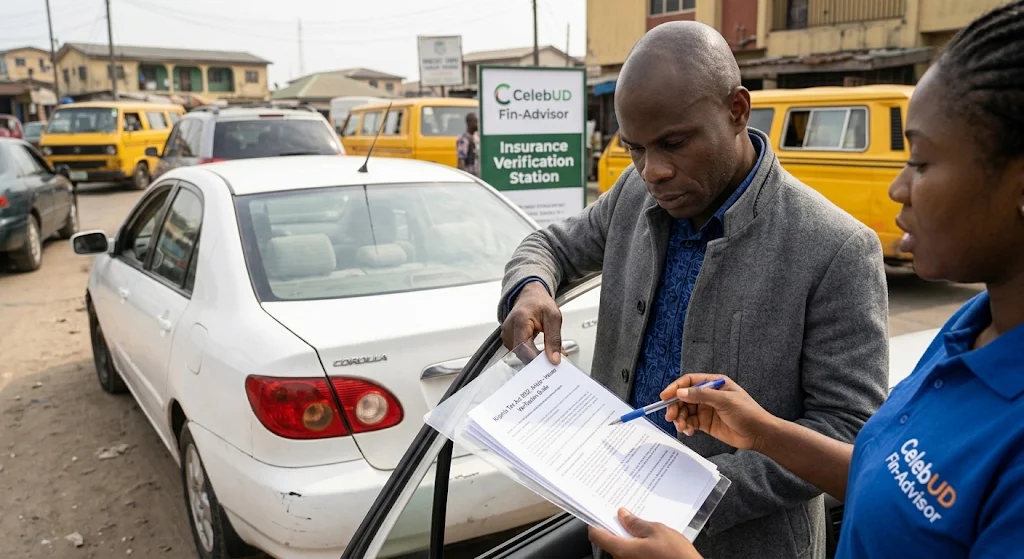
Underwriters in Nigeria pay billions of naira in claims each year, yet doubts over claim settlements remain widespread. Fire incidents, vehicle collisions, and cargo losses frequently lead to public disputes over unpaid settlements, leaving policyholders questioning whether insurance is worth the premium. Official figures from the National Insurance Commission confirm that registered insurers settle substantial claim volumes annually. At the same time, thousands of claims face rejection or delay due to structural oversights, regulatory clauses, and paperwork failures.
Settlement delays do not mean the system is an outright void. Legitimate claims reach settlement daily, provided the contract is valid, the underwriter is solvent, and the policyholder meets the terms set out in law.

The Claims Record and the 'No Premium, No Cover' Rule
The Nigerian insurance market features established underwriters such as Leadway Assurance, AIICO Insurance, Custodian Investment, and AXA Mansard. Published industry records show gross claims running into hundreds of billions of naira annually across life and non-life portfolios. Underwriting firms operate under the Insurance Act 2003, which establishes rules governing settlements and disputes.
A frequent reason for outright claim repudiation traces back to Section 50(1) of the Insurance Act 2003, widely known as the "No Premium, No Cover" rule. Under this statute, an insurance contract is invalid until the premium is received by the insurer or its registered broker. If a broker collects a premium but fails to remit it to the underwriting company before an incident occurs, the insurer has no legal liability to pay. Policyholders who make delayed transfers or agree to verbal credit terms discover too late that their cover never took effect.
Settlement timeframes also follow strict legal boundaries. Once an insurer accepts liability and the claimant signs a discharge voucher, the company must issue payment within 90 days under statutory rules. When payments stall, the breakdown often stems from missing proof, questionable valuations, or contracts signed with unaccredited intermediaries.
Why Insurance Claims Face Rejection
Claim rejections in Nigeria rarely occur by whim; they hinge on contractual clauses and statutory definitions that policyholders overlook during purchase.
- Buying Fake Cover: Unauthorised vendors and touts station themselves near licensing offices and local council secretariats across the country. They issue counterfeit certificates of third-party motor insurance for a fraction of the legal price. These documents satisfy road safety patrols during routine checks, but they hold no underwriting value and will not pay a single kobo when a crash happens.
- Breach of Policy Warranties: Insurance contracts contain explicit conditions that suspend cover if broken. A commercial building policy might stipulate that fire extinguishers must be serviced every six months, or a vehicle policy may exclude damage sustained while driving through deep floodwaters. If an assessor discovers a breached warranty, the insurer can decline the claim.
- Non-Disclosure and Misrepresentation: The doctrine of utmost good faith requires applicants to declare material facts. Concealing a pre-existing medical condition on a health or life application, or failing to declare that a private vehicle is used for commercial ride-hailing, voids the policy upon investigation.
- Late Notification of Loss: Policies specify a notification window, typically between 48 hours and 14 days following an incident. Waiting several months to report a stolen generator, damaged warehouse, or vehicle theft gives assessors grounds to reject the application on the basis that evidence was compromised.

How to Check an Underwriter Before Buying
Verifying the underwriter protects your premium before any contract begins. The National Insurance Commission (NAICOM) acts as the apex regulator for all insurance business in Nigeria. NAICOM maintains an active register of approved insurance companies, reinsurance firms, brokers, and loss adjusters.
Anyone considering an insurance policy can visit the official NAICOM website to confirm whether the company holds a valid licence for that class of business. An underwriter licensed solely for life business cannot legally write general business like marine or motor cover.
Financial strength is another direct indicator of claims capacity. Nigerian public insurance companies publish audited annual financial reports approved by NAICOM and the Nigerian Exchange Group. Reviewing these balance sheets reveals an insurer's net claims ratio, liquidity reserves, and solvency margin. A company that consistently records high underwriting losses while running low cash balances presents a higher risk of settlement friction.
Industry bodies offer another reference point. The Nigerian Insurers Association (NIA) represents registered underwriters and upholds professional standards. If an insurance firm does not appear on the NIA roster, further caution is warranted.
Verifying Your Policy: The NIID and Direct Controls
Motor vehicle insurance is the most common cover bought in Nigeria, and it suffers from the highest concentration of fraudulent paper. To combat this, the Nigerian Insurers Association introduced the Nigerian Insurance Industry Database (NIID).
The NIID centralises all valid motor policies issued by authorised insurers. Policyholders can independently verify their vehicle certificate within minutes using the NIID web portal or via mobile short code:
- Dial *565*11# on any mobile phone in Nigeria.
- Enter the vehicle registration number when prompted.
- The system returns an instant text message confirming the vehicle details, the underwriter name, the policy number, and the expiry date.
If the search returns an error or states that the record does not exist, the certificate is invalid. Beyond motor cover, marine cargo policies can also be checked via the NIID portal to ensure that import documentation matches approved underwriting files.
For life, home, and corporate policies, direct interaction with the underwriter offers protection. Always pay premiums directly to the corporate bank account of the insurance company rather than an agent's personal account. Insurers generate automated receipts and policy schedules containing an underwriter signature, policy number, and customer care contact details once funds clear.
Comparison of Policy Checks and Regulatory Safeguards
| Cover or Institution | Verification Method | Primary Authority | What It Confirms |
|---|---|---|---|
| Motor Insurance | Dial *565*11# or visit askniid.org | Nigerian Insurers Association (NIA) | Confirms policy authenticity, vehicle plate match, and active coverage status. |
| Insurance Underwriter | Search the approved register on naicom.gov.ng | National Insurance Commission (NAICOM) | Verifies legal operating licence and permitted insurance classes. |
| Insurance Broker | Confirm registration on NAICOM or NCRIB registries | Nigerian Council of Registered Insurance Brokers | Ensures the intermediary is qualified to handle client premiums and negotiate terms. |
| Marine Cargo Cover | Check cargo certificate on the NIID Marine portal | Nigerian Insurers Association (NIA) | Validates cover for port clearance and import duties. |
Handling Disputes and Unpaid Claims
When an insurer delays a valid claim or offers an unfair settlement, policyholders have clear administrative routes before turning to civil litigation.
The initial escalation point is the insurer's internal complaints department. Registered firms maintain internal dispute desks and must provide written responses detailing reasons for rejection or revised offers. Correspondence should be documented in writing, complete with dates, photos, receipts, and claim numbers.
If an internal resolution fails, the claimant can petition the NAICOM Complaints Bureau. The regulator operates an active unit dedicated to reviewing consumer complaints against licensed underwriters. NAICOM possesses the authority to audit claim files, summon underwriting executives, and order the settlement of claims where the insurer breached regulations.
The Nigerian Insurers Association also operates a Consumer Complaints Committee that mediates disputes between NIA member companies and the public. Where losses involve defined sums and clear contract breach, small claims courts in states such as Lagos, Kano, and Rivers offer an affordable, rapid legal path to seek enforcement without prolonged High Court delays.
Conclusion
Nigerian insurance companies settle valid claims when contracts are structured properly and held with solvent, licensed underwriters. Claim failures usually arise from counterfeit certificates, brokers withholding funds under the statutory premium rule, or hidden exclusions that went unread. By verifying company licences through NAICOM, running motor certificates through the NIID, and maintaining direct payment paper trails, policyholders protect their investments and ensure compensation when disaster strikes.
Sources
- National Insurance Commission (NAICOM)
- Nigerian Insurance Industry Database (NIID)
- Nigerian Insurers Association (NIA)
- Federal Republic of Nigeria, Insurance Act 2003
Disclaimer: This article provides general consumer information and does not constitute legal or financial advice. Consult an accredited insurance professional or legal practitioner before executing insurance contracts.
Category: Fin-Advisor