Impact of Climate Change on Home Insurance Premiums and Coverage in Canada
By Matthew Ayandare —
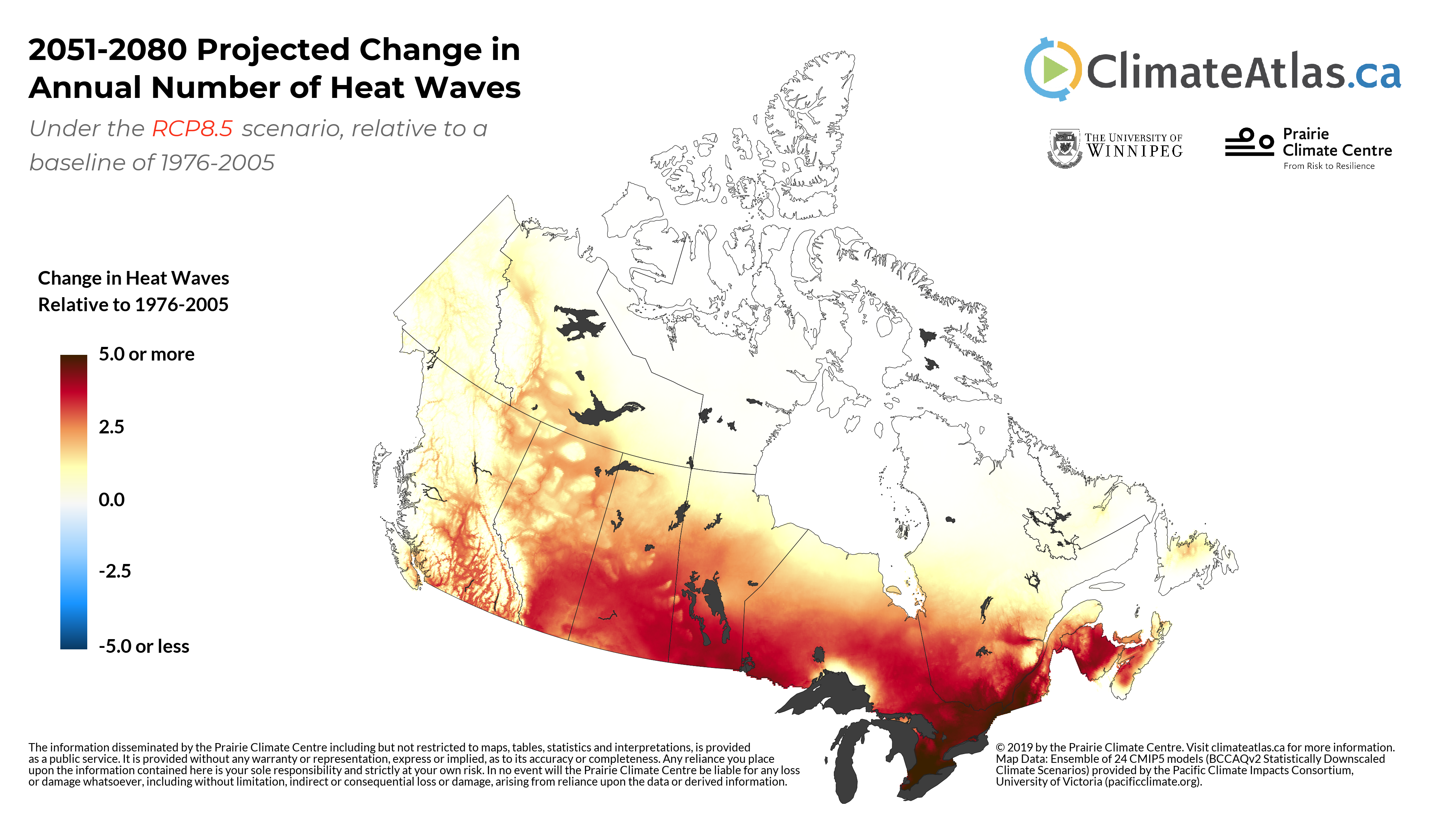
Climate change is transforming the home insurance landscape across Canada. As floods, wildfires, and extreme weather events intensify, insurers are facing unprecedented financial pressure. These rising risks are driving higher premiums, stricter underwriting, and evolving coverage limitations for homeowners. The relationship between climate change and insurance is no longer theoretical — it is now a measurable, data‑driven reality.
“Climate change has emerged as a significant factor influencing the dynamics of home insurance… particularly in regions susceptible to weather‑induced risks such as Canada.”
1. Climate Change Trends and Their Growing Impact on Canada
1.1 Accelerated Warming and Greenhouse Gas Emissions
Canada is warming at twice the global average, making it one of the most climate‑vulnerable developed nations. With per-capita CO₂ emissions at 15.6 tonnes per year — more than triple the global average — the country is experiencing amplified climate feedbacks such as increased atmospheric water vapour and methane release.
Atmospheric CO₂ levels have risen 46% above pre‑industrial levels, half of that increase occurring since 1990. Projections suggest warming could exceed 3.5°C, especially if slow feedbacks like permafrost thaw continue to accelerate. These changes directly influence the frequency and severity of natural disasters, which in turn affect insurance claims and premiums.
1.2 Melting Ice, Rising Seas, and Permafrost Degradation
Canada’s Arctic regions are experiencing rapid ice loss, with land ice melt tripling since 1986. Sea levels are rising at 3.3 cm per decade, threatening coastal communities and infrastructure. Permafrost thaw destabilizes buildings, roads, and pipelines, while releasing stored greenhouse gases that further accelerate warming.
1.3 Increasing Frequency of Natural Disasters
Extreme weather events — heat waves, storms, wildfires — are becoming more frequent and severe. Over a thousand jurisdictions worldwide, including many in Canada, have declared climate emergencies. These disasters disrupt communities, damage infrastructure, and place immense financial strain on insurers.
2. Floods and Wildfires: The Most Costly Climate Threats
2.1 Rising Flood Frequency and Severity
Flooding is now the costliest natural hazard in Canada. Extreme precipitation events have increased significantly since 1950, causing rivers and streams to overflow more frequently. Between 2009 and 2014, catastrophic insured losses exceeded $1 billion annually, with water damage accounting for the majority. In 2013, insurers paid a record $3.2 billion to policyholders. Historical data from major cities — Toronto, Ottawa, London, and Kitchener‑Waterloo — show rainfall‑related losses of $970 million between 1992 and 2002.
The Intergovernmental Panel on Climate Change (IPCC) projects that extreme rainfall events will continue to intensify, increasing the likelihood of severe flooding.
2.2 Wildfires: A Growing National Threat
Wildfires have become more frequent and destructive, particularly in Western Canada. Hotter temperatures, drier conditions, and longer fire seasons have contributed to record‑breaking wildfire years. These events destroy homes, disrupt communities, and lead to massive insurance payouts. In high‑risk regions, some insurers have already begun limiting wildfire coverage or increasing deductibles.
3. How Climate Change Is Affecting Home Insurance Premiums
3.1 Rising Claims and Financial Pressure
As extreme weather events become more common, insurers face rising claim volumes and higher payout amounts. Floods and water damage are the leading drivers of these increases. “Flood‑related losses are expected to continue to rise, thereby exerting upward pressure on home insurance premiums.”
To remain solvent, insurers must adjust premiums to reflect the growing risk. This often results in higher annual premiums, increased deductibles, surcharges for high‑risk zones, and mandatory add‑ons for flood or wildfire coverage.
3.2 Advanced Modelling for Premium Forecasting
Traditional statistical models like GLM and ARIMA are no longer sufficient to predict climate‑driven claims. Insurers are now using advanced machine‑learning techniques such as neural networks, support vector machines, random forests, and Support Vector Regression with Genetic Algorithms (SVR‑GA).
These models integrate historical claims data with climate projections from CanESM2 and CanRCM4 under RCP 4.5 and RCP 8.5 scenarios. SVR‑GA has shown exceptional accuracy, reducing prediction errors by over 70% for claim frequency and more than tenfold for total losses.
4. Changing Coverage and Increasing Exclusions
4.1 Reduced Coverage in High‑Risk Areas
As climate risks grow, insurers are reassessing what they can reasonably cover. In some regions, coverage for overland flooding or wildfire damage may be limited, offered only with high deductibles, or excluded entirely. “Insurance companies may reduce the amount of coverage… raise premiums or set higher underwriting standards.”
This shift leaves many homeowners vulnerable, especially those in floodplains or wildfire‑prone areas.
4.2 More Exclusions and Policy Limitations
Standard home insurance policies increasingly exclude overland flood damage; sewer backup without add‑ons; wildfire losses in high‑risk zones; and climate‑driven events not classified as “sudden and accidental". These exclusions reflect the growing difficulty insurers face in absorbing climate‑related losses.
5. Regional Climate Impacts and Localized Risk Modelling
5.1 Localized Attribution Models
Regional climate impacts vary widely across Canada. In a mid-sized Prairie city, researchers used SVR‑GA models to analyse precipitation-driven claims. The model significantly outperformed traditional methods, demonstrating the importance of localised data.
5.2 Climate Projections and Claim Dynamics
High‑resolution climate projections show that both RCP 4.5 and RCP 8.5 scenarios will increase precipitation in many regions. This will likely lead to more frequent claims, higher average losses, and greater volatility in insurance markets. “Regionally different variations in projected precipitation… have the same effect on the frequency and magnitude of claims.”
Call‑to‑Action: Protect Your Home Before the Next Extreme Weather Event
Climate risks are rising — but homeowners can take steps today to reduce their exposure and avoid unexpected financial losses.
Recommended Actions:
Review your current home insurance policy and understand what is and isn’t covered.
Consider adding overland flood insurance or sewer backup coverage if you live in a high‑risk area.
Assess your home’s vulnerability to wildfire, flooding, or extreme storms.
Keep an inventory of your belongings to simplify future claims.
If you haven’t updated your policy in several years, now is the time to reassess your coverage needs.
Call‑to‑Action: Stay Informed About Climate‑Driven Insurance Changes
Insurance policies are evolving quickly as climate risks grow. Staying informed helps you make better decisions and avoid gaps in coverage.
Stay Ahead By:
Following updates from your insurance provider
Monitoring local climate risk maps
Learning about government programs that support climate adaptation
Reviewing your policy annually
Being proactive today can save you thousands of dollars tomorrow.
Conclusion
Climate change is reshaping home insurance in Canada. With rising floods, wildfires, and extreme weather, insurers face unprecedented financial pressure. Homeowners can expect higher premiums, stricter coverage, and more exclusions — especially in high‑risk regions.
Advanced modelling, government policy, and industry collaboration offer pathways to resilience, but the long‑term outlook is clear: climate change will continue to drive significant changes in the affordability and availability of home insurance across Canada.
Disclaimer
The views expressed in this article are provided solely for general educational purposes and should not be relied upon as legal, tax, investment, insurance, or other professional advice. Every reader’s circumstances are unique, and any insurance or financial decision should be based on personal objectives, risk tolerance, policy terms, and applicable laws or regulations. Readers are encouraged to conduct their own due diligence and consult appropriately qualified professionals before making any financial or insurance-related decisions.
Category: Fin-Advisor