Black Friday 2026: How to Spot Fake Discounts Across Four Nations
By Victoria Odunola —
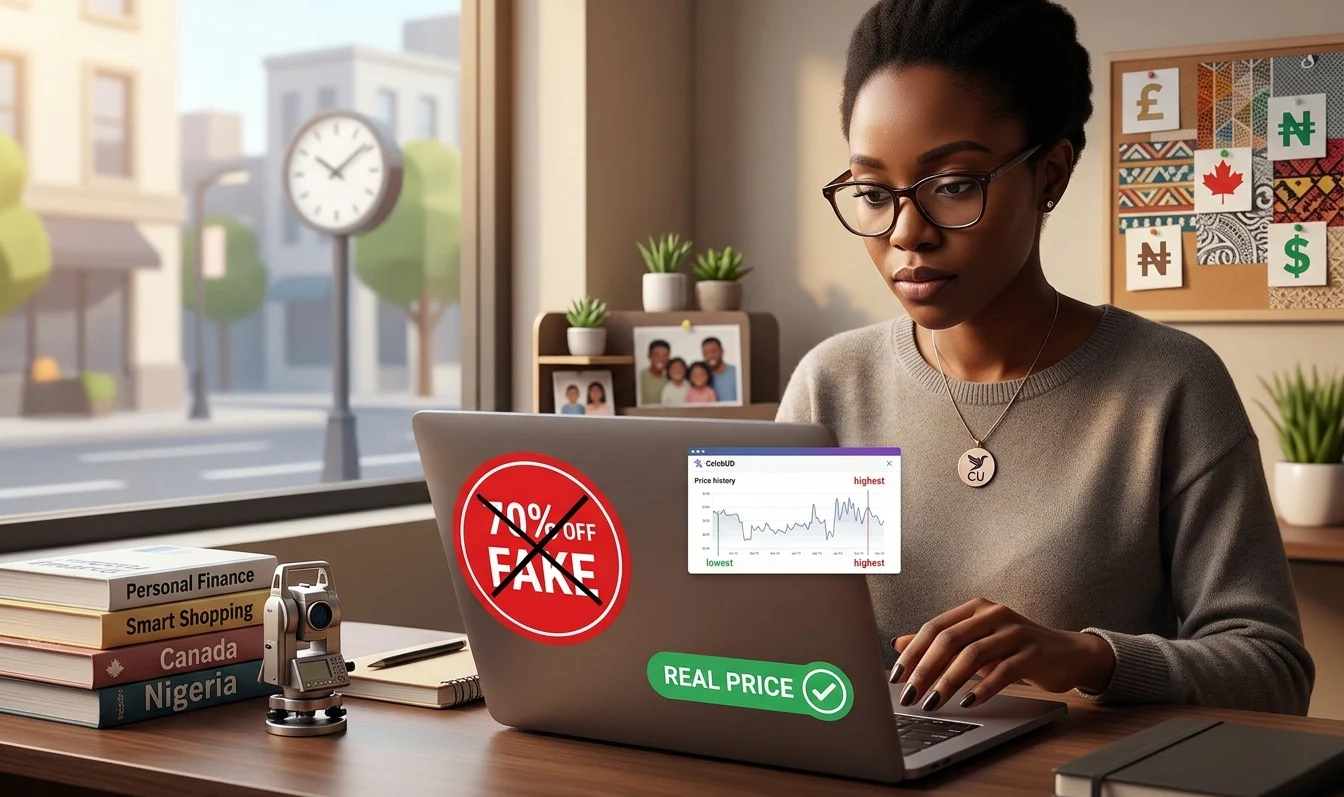
A bright red sticker promising 50 per cent off does not mean a product is cheaper than it was last month. Retailers spend heavily each November to engineer urgency, yet research by consumer organisations repeatedly shows that a large share of Black Friday bargains are illusory. A 2026 price study by personal finance group WalletHub found that roughly 38 per cent of surveyed Black Friday offers delivered no genuine reduction compared to regular shelf prices.
Retail price manipulation relies on customer distraction. Between ticking countdown clocks, flash sales, and algorithmic promotions, shoppers rarely stop to inspect what an item cost in August or September. Knowing how shops engineer these fake markdowns—and which tools reveal actual price histories—ensures buyers spend their money on genuine savings.

The Tactics Retailers Use to Create Illusory Savings
Retail discount engineering takes several predictable forms across online marketplaces and physical stores alike. Understanding these tactics exposes deceptive promotions before payment details change hands.
1. Pre-Holiday Price Inflation
The most common pricing trick involves raising an item's sticker price in late September or October, only to drop it back to its baseline in late November. A coffee machine normally sold for £120 ($150) might be raised to £160 ($200) for three weeks. Come Black Friday, the shop advertises a dramatic £40 reduction, returning the unit to the exact sum it commanded during the summer.
2. The Derivative Model Number
Consumer electronics, particularly smart televisions, vacuum cleaners, and budget laptops, frequently feature Black Friday "derivative" models. Manufacturers produce stripped-down editions specifically for holiday promotions. An appliance might share 95 per cent of its chassis design with a premium model, but its internal components differ: fewer connection ports, dimmer display panels, cheaper plastic casings, or inferior processors. The model number often varies by a single suffix letter. Because the specific code was never sold earlier in the year, price tracking tools have no past data, making an assessment of true value difficult.
3. The Phantom Recommended Retail Price
Shops often calculate discounts using the original manufacturer's suggested retail price (MSRP), even if the product has not sold at that figure for years. When a two-year-old smartphone model is marked down from an MSRP established at launch in 2024, the advertised 45 per cent saving is meaningless. The item has naturally depreciated on the open market, and competing stores already sell it at that reduced figure year-round.
4. Inflated Shipping and Add-On Traps
E-commerce sellers sometimes slash headline product prices to appear top of price-comparison searches, while quietly shifting their margin onto checkout fees. A buyer might secure a gadget for 30 per cent below standard pricing, only to discover non-refundable delivery surcharges, mandatory package insurance, or extortionate return fees during final checkout.
Tracking Price Histories Across Four Countries
Consumer protections and digital commerce systems vary across borders. Verifying a genuine deal requires tracking tools and regulatory frameworks matched to where a shopper makes their purchase.
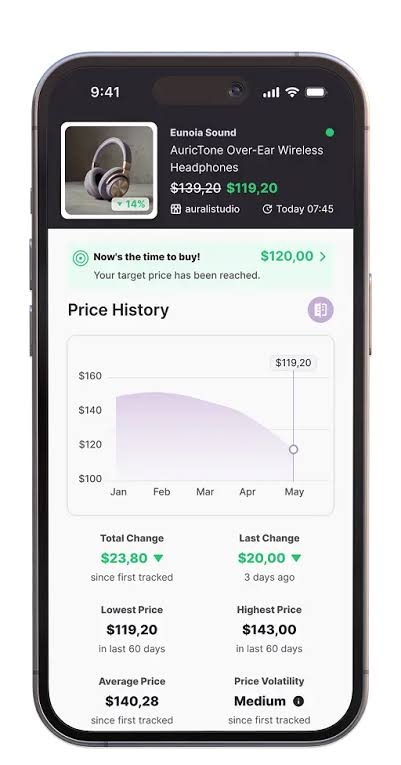
United Kingdom
Under the Consumer Protection from Unfair Trading Regulations, retailers operating in the UK cannot present a "was" price unless the item was genuinely sold at that higher figure for a meaningful duration, typically 28 consecutive days in the previous six months. Enforcement falls under National Trading Standards and the Advertising Standards Authority (ASA). Even with these rules, commercial compliance teams push statutory boundaries.
Shoppers tracking British transactions rely on several proven databases:
- Camelcamelcamel and Keepa: Both services offer browser add-ons that generate historical pricing charts directly beneath Amazon UK listings, tracking Amazon's direct pricing against third-party sellers.
- PriceSpy and PriceRunner: These platforms track high-street chains including Currys, Argos, John Lewis, Boots, and independent electronics stockists, exposing whether an item's current cost is genuinely the lowest across the past year.
- Which? Reviews: The UK consumer watchdog conducts annual tracking studies on thousands of popular items across autumn, publishing public lists of fake deals during November.
United States
In the United States, retail price governance operates under Federal Trade Commission (FTC) Guides Against Deceptive Pricing. The FTC guidelines require advertised comparison prices to represent bona fide regular prices. However, federal enforcement on individual retail listings is scarce, leaving policing primarily to state attorneys general.
American buyers can trace price history through specialised platforms:
- Google Shopping Price Insights: Built into desktop and mobile search results, this module classifies a price as "low," "typical," or "high" compared to pricing logged across US stores over the preceding 90 days.
- AisleGopher and Visualping: While Camelcamelcamel and Keepa handle Amazon US, AisleGopher logs historical variations on Walmart.com. Visualping tracks visual changes on specific product pages at Target, Best Buy, and Home Depot, alerting users when a base price jumps.
- PayPal Honey: Beyond applying promotional codes, Honey displays a 120-day price trend on millions of products across leading American retail domains.
Canada
The Competition Act governs promotional representations in Canada, enforced by the Competition Bureau Canada. The Bureau applies the "volume test" and the "time test" to Ordinary Selling Price (OSP) claims. Under these tests, a shop cannot claim a discount against a regular price unless a substantial volume of products was sold at that price within a reasonable timeframe, or the product was offered at that price in good faith for more than 50 per cent of the preceding six months.
Canadian shoppers can check listings through targeted resources:
- Camelcamelcamel Canada: Indexes the Canadian Amazon catalogue (Amazon.ca), providing price traces denominated in Canadian dollars (CAD).
- Shopbot Canada: Aggregates electronics and appliance prices across Canadian outlets, comparing regional vendors against national giants.
- RedFlagDeals: Canada's largest consumer bargain community maintains detailed historical threads where members post price-match records, receipts, and catalogue scans from previous seasons.
Nigeria
Nigeria's primary e-commerce market runs through platforms like Jumia and Konga, alongside bustling informal electronics hubs such as Computer Village in Lagos and Alaba International Market. Jumia and Konga typically stretch their Black Friday promotions across the entire month of November, using flash sales and daily treasure hunts.
The Federal Competition and Consumer Protection Commission (FCCPC) oversees fair trading practices in Nigeria, addressing misleading representations under the FCCP Act 2018. However, independent automated price-scraping tools for Nigerian e-commerce are far more limited than in Europe or North America. Shoppers must use alternative verification techniques:
- Browser Caching and Visualping: Online shoppers use automated page monitors like Visualping to monitor product URLs on Jumia or Konga from early October, receiving alerts when vendors alter prices.
- Internet Archive's Wayback Machine: For high-ticket items such as generators, laptops, and smartphones, past listing snapshots capture what the product cost prior to the November marketing push.
- Community Price Checking: Threads on forums such as Nairaland, as well as dedicated consumer technology accounts on X (formerly Twitter), document authentic local market rates. Buyers cross-reference advertised online discounts against physical vendor rate sheets in Computer Village before making commitments.
Comparing Verification Tools and Consumer Safeguards
The effectiveness of a price search depends on using the correct tracking method for your market. The following breakdown illustrates the main platforms, tracking software, and statutory backstops across all four jurisdictions.
| Country | Dominant E-Commerce Hubs | Recommended Price Tracker | Statutory Consumer Body | Common Retail Trick |
|---|---|---|---|---|
| United Kingdom | Amazon UK, Currys, Argos, John Lewis | Keepa, PriceSpy, PriceRunner | Trading Standards, ASA | Short-term pre-sale price raises on domestic appliances |
| United States | Amazon US, Walmart, Best Buy, Target | Camelcamelcamel, Google Price Insights, AisleGopher | Federal Trade Commission (FTC) | Derivative holiday-only electronics models |
| Canada | Amazon.ca, Best Buy Canada, Canadian Tire | Camelcamelcamel CA, Shopbot, RedFlagDeals | Competition Bureau Canada | Stale MSRP benchmark comparisons |
| Nigeria | Jumia, Konga, slot.ng, Computer Village vendors | Visualping, Internet Archive, community forums | FCCPC | Inflated base prices before month-long November sales |
The Rise of AI Clone Stores in 2026
Misleading reference prices from established high-street sellers are no longer the only hazard facing consumers. The 2026 shopping season has seen a sharp surge in automated clone storefronts. According to cybersecurity researchers at Gen Threat Labs, fake shopping site activity climbed 129 per cent heading into November 2026 compared to the same period in 2025.
"Scammers are using artificial-intelligence tools to produce convincing storefronts and exaggerated product listings that look identical to genuine brands. It has forced consumers to verify every listing for themselves."
— Justin Kloczko, Consumer Watchdog
These fraudulent portals mimic the branding of prominent athletic, footwear, and consumer technology brands. Criminal networks deploy automated algorithms to replicate official typography, legal footers, and product imagery, running targeted social media advertisements offering discounts of 80 to 90 per cent. When a shopper attempts to buy an item, the site collects payment card details and personal identity records, delivering counterfeit goods or nothing at all.
Distinguishing an aggressive clearance deal from a clone store comes down to several structural checks:
- Domain Age and Structure: Genuine brand domains are established years in advance. AI-generated fraudulent shops typically feature domains registered within the preceding 90 days, often appending words like "clearance-sale," "deals-official," or "factory-outlet" to an existing brand name.
- Payment Options: Regulated retailers support verified merchant accounts, card processors, and digital wallets. Clone storefronts frequently force direct bank transfers, peer-to-peer transfers, or cryptocurrency payments that offer no chargeback mechanisms.
- Contact and Company Disclosures: In the UK and Canada, commercial sites must list registered company numbers, physical addresses, and returns procedures. In Nigeria, corporate registrations appear on the Corporate Affairs Commission (CAC) database. Fake portals substitute real corporate data with dead forms or generic email addresses.
Core Rules for Verifying Value Before Payment
Assessing promotions requires decoupling the concept of a percentage discount from actual monetary value. A 20 per cent discount on a durable, quality product represents real savings, while an 80 per cent markdown on an inflated listing remains a bad purchase.
Experienced shoppers verify three specific details before completing an order:
- Check the exact alphanumeric SKU: Search the precise serial number on a third-party search engine. If that specific model appears exclusively during holiday promotions and lacks reviews from independent technology publications, it is likely a holiday derivative.
- Ignore the strikethrough price: Evaluate whether the final figure represents fair market value for the item's specifications today. The original "was" price is promotional material; the checkout balance is what leaves your account.
- Calculate total landing costs: For cross-border shopping—such as buyers in Nigeria, Ghana, or the Caribbean ordering from UK or US merchant sites—customs duties, freight charges, and currency conversion fees can wipe out even genuine 30 per cent discounts. Ensure the total price paid reflects landed cost at your front door.
Conclusion
Black Friday promotions present genuine bargains alongside fabricated markdowns, inflated reference prices, and fraudulent clone sites. By consulting objective price-tracking software, validating complete SKU codes, and cross-referencing past baseline values in the UK, US, Canada, and Nigeria, consumers can protect their household finances. The most reliable defence against holiday retail manipulation is simple: treat every strikethrough price with scepticism and verify the historical data before you check out.
Sources
- The Guardian: Fake Storefronts and Black Friday Retail Fraud Research
- Which?: Annual Black Friday Deals and Real Price Analysis
- WalletHub: Black Friday Price Inflation and Promotional Value Study
- Federal Trade Commission: Guides Against Deceptive Pricing
- Competition Bureau Canada: Ordinary Selling Price Regulations
- Federal Competition and Consumer Protection Commission (FCCPC) Nigeria: Consumer Advisories
Disclaimer: This guide provides consumer market analysis and is not formal financial or legal advice. Verify current merchant return policies, tax liabilities, and pricing regulations with respective national authorities before making significant purchases.
Category: Fin-Advisor