How Homeowners Can Protect Their Property From Climate Risks
By Matthew Ayandare —
Climate change is no longer a distant environmental concern — it is a direct and growing threat to Canadian homes. Rising temperatures, heavier rainfall, more frequent floods, longer wildfire seasons, and increasingly violent storms are reshaping the risks homeowners face. As climate‑driven disasters intensify, the cost of repairing damage is rising, insurance premiums are increasing, and coverage is becoming more restrictive. In this new reality, homeowners must take proactive steps to protect their property, reduce vulnerabilities, and build long‑term resilience.
This comprehensive guide outlines practical, effective strategies that Canadian homeowners can use to safeguard their homes from climate risks. From flood protection to wildfire mitigation, storm‑proofing, heat resilience, and insurance planning, these measures can significantly reduce damage and financial loss.
1. Strengthen Your Home Against Flooding
Flooding is now the most expensive natural hazard in Canada. Even homes outside traditional flood zones are increasingly vulnerable due to heavier rainfall, rapid snowmelt, and ageing drainage systems.
Why Flood Risk Is Rising
Extreme rainfall events have increased significantly since the 1950s.
Urban development reduces natural drainage and increases runoff.
Rivers and lakes are swelling more frequently due to climate variability.
Many older homes were not built with modern flood‑resilience standards.
Practical Flood‑Protection Measures
Homeowners can take several steps to reduce flood damage:
Install a sump pump with a battery backup to remove water during storms.
Add a backwater valve to prevent sewage from flowing into your home.
Ensure downspouts extend at least two metres away from the foundation.
Regrade your yard so water flows away from the house.
Seal cracks in basement walls and floors to prevent seepage.
Install window well covers to keep water out of basement windows.
Keep gutters and eavestroughs clear to prevent overflow.
Store valuables in waterproof containers or on upper floors.
Consider using flood‑resistant materials such as tile, concrete, or vinyl in basements.
Insurance Consideration
Many homeowners mistakenly believe flood damage is automatically covered. In reality, overland flood insurance is often optional. Review your policy carefully and consider adding this coverage if you live in a flood‑prone area.
2. Reduce Your Home’s Wildfire Vulnerability
Wildfires are spreading faster, burning hotter, and reaching communities once considered safe. Western and Northern Canada are especially vulnerable, but climate change is expanding risk zones.
Why Wildfire Risk Is Increasing
Hotter temperatures dry out vegetation.
Longer summers extend the fire season.
Lightning storms are becoming more frequent.
Wind patterns can carry embers long distances.
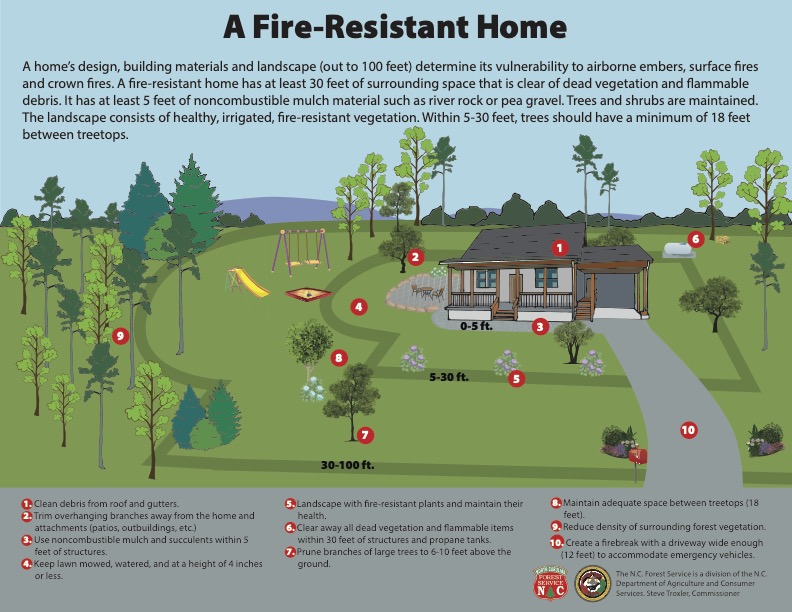
FireSmart Your Property
Creating a defensible space around your home is one of the most effective ways to reduce wildfire damage.
Within 1.5 metres of your home (Immediate Zone):
Remove all flammable materials such as mulch, firewood, and debris.
Use gravel or stone instead of wood chips.
Keep the area clean and free of dry leaves.
Within 10 metres (Intermediate Zone):
Trim trees and shrubs to reduce fuel.
Keep grass short and well‑watered.
Prune tree branches at least two metres above the ground.
Remove dead vegetation regularly.
Within 30 metres (Extended Zone):
Thin out dense trees and brush.
Create breaks in vegetation to slow fire spread.
Store propane tanks and firewood far from the home.
Structural Fire Protection
Replace wood shingles with fire‑resistant roofing.
Install ember‑resistant vents and metal mesh under decks.
Use non‑combustible siding materials where possible.
Seal gaps where embers could enter the home.
Insurance Consideration
Some insurers are tightening wildfire coverage in high‑risk regions. Confirm whether your policy includes wildfire protection and whether your area is classified as high‑risk.
3. Prepare Your Home for Extreme Storms and High Winds
Climate change is increasing the frequency and intensity of storms, including windstorms, hailstorms, and severe thunderstorms.
Storm‑Proofing Essentials
Reinforce your roof with hurricane straps or clips.
Install impact‑resistant windows or storm shutters.
Secure outdoor furniture, grills, and equipment.
Anchor sheds, fences, and other structures that could become airborne.
Trim trees and remove weak branches near your home.
Install surge protectors to protect electronics from lightning strikes.
Roof Protection
Your roof is your home’s first line of defense. Consider:
Upgrading to Class 4 impact‑resistant shingles.
Inspecting for loose shingles or flashing.
Ensuring proper attic ventilation to reduce wind uplift.
Insurance Consideration
Windstorm coverage varies by insurer. Some policies exclude wind‑driven rain unless there is visible structural damage. Review your policy to avoid surprises.
4. Protect Your Home From Extreme Heat
Heat waves are becoming longer, more intense, and more frequent across Canada. Extreme heat can damage roofs, siding, foundations, and indoor systems.
Heat‑Resilience Strategies
Install energy‑efficient windows to reduce indoor heat.
Add reflective or “cool roof” materials to deflect sunlight.
Improve attic insulation to keep indoor temperatures stable.
Plant shade trees strategically around your property.
Use blackout curtains or thermal blinds to reduce heat gain.
Install ceiling fans to improve air circulation.
Protecting Indoor Systems
Ensure your HVAC system is serviced annually.
Install smart thermostats to manage cooling efficiently.
Protect electronics from overheating by improving ventilation.
5. Strengthen Your Home’s Foundation and Structure
Climate change increases soil shifting, freeze‑thaw cycles, and moisture damage, all of which can weaken your home’s foundation.
Structural Protection Measures
Inspect your foundation annually for cracks or shifting.
Improve drainage systems around your home.
Install moisture barriers in crawl spaces.
Ensure proper ventilation in attics and basements.
Replace ageing caulking around windows and doors.
Consider foundation waterproofing if you live in a high‑moisture region.
6. Build a Climate‑Resilient Emergency Plan
Preparation can significantly reduce damage and speed recovery after a disaster.
Your Emergency Kit Should Include
Flashlights, batteries, and portable chargers
Bottled water and non‑perishable food
First‑aid supplies
Copies of important documents
A battery‑powered radio
Backup power sources if possible
Supplies for pets
Family Preparedness
Establish evacuation routes.
Know how to shut off water, gas, and electricity.
Keep emergency contacts easily accessible.
Practise your emergency plan annually.
7. Review and Update Your Insurance Regularly
Insurance policies are evolving rapidly due to climate risks. What was covered five years ago may not be covered today.
What to Review
Flood coverage (overland and sewer backup)
Wildfire coverage
Windstorm and hail coverage
Deductibles for climate‑related claims
Exclusions that may affect your region
Replacement cost vs. actual cash value
Document Everything
Take photos and videos of your home and belongings.
Keep receipts for major purchases.
Store documentation digitally and off‑site.
8. Invest in Long‑Term Climate Resilience
Some upgrades require upfront investment but can save thousands in future repairs and may even reduce insurance premiums.
High‑Impact Upgrades
Flood‑resistant flooring
Fire‑resistant roofing
Backup generators
Smart home monitoring systems
Storm‑rated windows and doors
Permeable driveways and rain gardens
Reinforced roofing systems
Heat‑resistant exterior materials
These improvements not only protect your home but can also increase property value and reduce long-term maintenance costs.
10‑Point Homeowner Checklist for Climate Resilience
1. Protect Your Basement From Flooding
Install a sump pump with battery backup
Add a backwater valve
Seal foundation cracks
Extend downspouts at least 2 metres away
2. Keep Water Away From Your Home
Clean gutters and eavestroughs regularly
Regrade soil so water flows away from the foundation
Install window well covers
Use flood‑resistant materials in basements
3. Create a Wildfire‑Safe Zone
Clear dry leaves, branches, and debris
Keep a 1.5‑metre non‑combustible zone around your home
Trim trees and remove dead vegetation
Store firewood and propane tanks at least 10 metres away
4. Strengthen Your Home Against High Winds
Reinforce your roof with hurricane straps
Install impact‑resistant windows or shutters
Secure outdoor furniture and sheds
Trim weak or overhanging branches
5. Prepare for Extreme Heat
Improve attic insulation and ventilation
Install energy‑efficient windows
Use blackout curtains or thermal blinds
Plant shade trees strategically
6. Protect Your Home’s Structure
Inspect your foundation annually
Replace worn caulking around windows and doors
Improve drainage around your home
Install moisture barriers in crawl spaces
7. Build a Complete Emergency Kit
Flashlights, batteries, chargers
Bottled water and non‑perishable food
First‑aid supplies
Copies of important documents
Supplies for pets
8. Create a Family Emergency Plan
Establish evacuation routes
Know how to shut off water, gas, and electricity
Keep emergency contacts accessible
Practice your plan yearly
9. Review Your Insurance Coverage Annually
Confirm flood, wildfire, windstorm, and hail coverage
Check deductibles for climate-related claims
Understand exclusions
Update your home inventory with photos and videos
10. Invest in Long‑Term Climate Resilience
Upgrade to fire‑resistant roofing
Install storm‑rated windows and doors
Add a backup generator
Use permeable driveways or rain gardens
Consider smart home monitoring systems
Conclusion
Climate change is reshaping the risks facing Canadian homeowners. Floods, wildfires, storms, and extreme heat are becoming more frequent and more severe, placing homes and finances at greater risk. But homeowners are not powerless. By strengthening your home’s structure, improving drainage, reducing fire hazards, preparing for storms, and staying informed about insurance changes, you can significantly reduce your vulnerability.
Climate resilience is no longer optional — it is essential. The steps you take today can protect your home, your family, and your financial future in a rapidly changing climate.
About the Author
Matthew Ayandare is a seasoned financial advisor and insurance agent licensed in Ontario. He has extensive experience helping individuals and families assess financial risks, understand insurance products, and choose solutions that are practical and appropriate for their needs. His writing is focused on education, clarity, and informed decision-making for everyday readers.
Disclaimer
The views expressed in this article are provided solely for general educational purposes and should not be relied upon as legal, tax, investment, insurance, or other professional advice. Every reader’s circumstances are unique, and any insurance or financial decision should be based on personal objectives, risk tolerance, policy terms, and applicable laws or regulations. Readers are encouraged to conduct their own due diligence and consult appropriately qualified professionals before making any financial or insurance-related decisions.
Category: Fin-Advisor