How Climate Change Is Affecting Condo Insurance in Canada
By Matthew Ayandare —
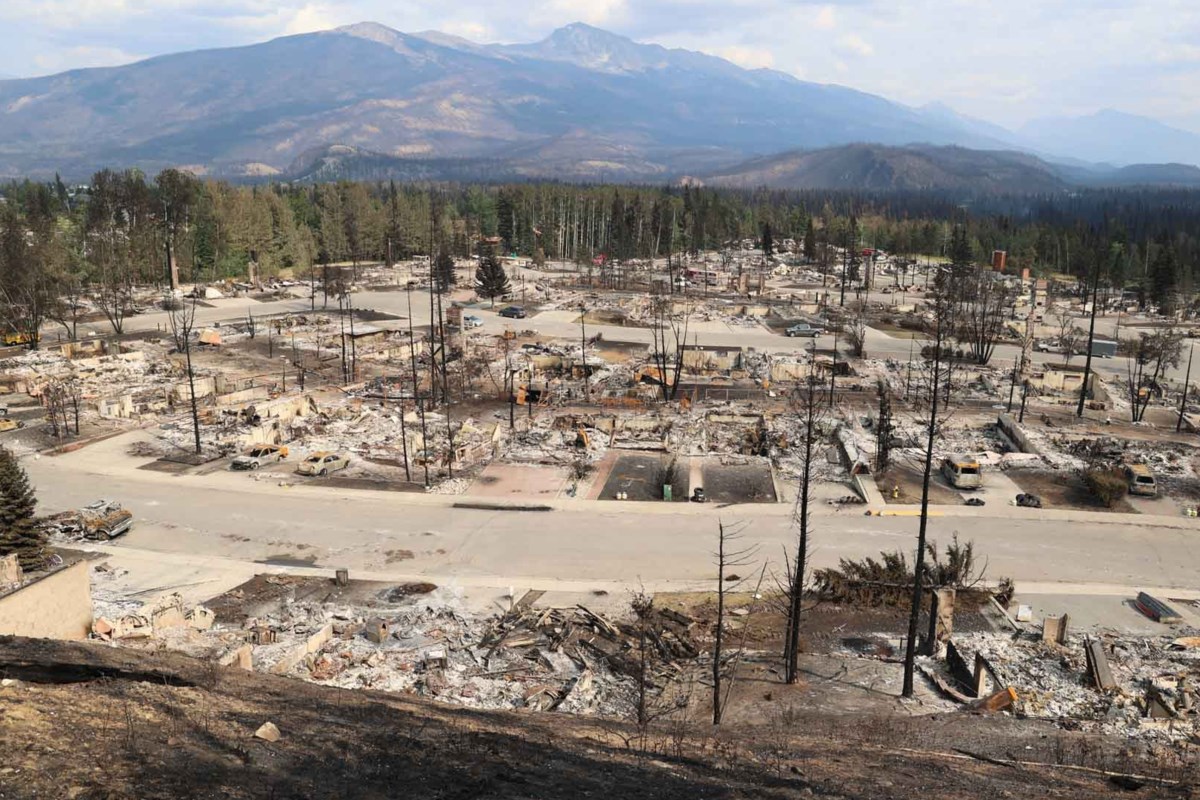
Climate change is reshaping the insurance landscape across Canada, and condo owners are increasingly feeling the impact. While many people assume that climate‑related risks primarily affect detached homes, the reality is that condominiums — especially high‑rise buildings in urban centres — face their own set of growing vulnerabilities. Rising temperatures, heavier rainfall, more frequent floods, stronger storms, and worsening wildfires are driving up insurance costs, altering coverage terms, and placing new financial pressures on condo corporations and unit owners alike.
Understanding how climate change affects condo insurance is essential for protecting your investment and avoiding unexpected costs. This article breaks down the key climate‑driven risks, how insurers are responding, and what condo owners can do to stay protected.
1. Rising Insurance Premiums for Condo Corporations
One of the most significant impacts of climate change is the sharp increase in insurance premiums for condo buildings. Condo corporations (or strata corporations) must insure the building’s structure, common areas, and shared systems — and these policies have become dramatically more expensive.
*Why premiums are rising*
More frequent water damage claims from heavy rainfall
Increased risk of flooding in urban areas
Higher repair costs due to inflation and supply chain pressures
Greater risk of wind and storm damage
More frequent catastrophic weather events across Canada
When a condo corporation’s insurance premiums rise, those costs are passed down to unit owners through higher maintenance fees or special assessments.
2. Water Damage: The Fastest‑Growing Threat to Condos
Water damage is now the leading cause of insurance claims in Canadian condos. Climate change is intensifying rainfall, overwhelming drainage systems, and increasing the likelihood of sewer backups and overland flooding.
How water affects condo buildings
Leaks from heavy rain entering through roofs or windows
Flooding in underground parking garages
Sewer backups during intense storms
Burst pipes caused by rapid freeze‑thaw cycles
Damage to elevators, electrical rooms, and mechanical systems
Even high‑rise buildings — often assumed to be safe — are vulnerable. Water can travel through walls, ceilings, and elevator shafts, causing widespread damage.
Insurance impact
Higher deductibles for water damage
More exclusions for overland flooding
Stricter maintenance requirements for condo corporations
Increased premiums for buildings with repeated water claims
3. Wildfire Risk and Smoke Damage
Wildfires are no longer limited to remote regions. Recent fire seasons have shown that smoke, ash, and embers can travel hundreds of kilometres, affecting urban condos far from the flames.
Wildfire‑related risks for condos
Smoke infiltration through ventilation systems
Damage to exterior cladding and balconies
Power outages affecting elevators and fire systems
Evacuation costs for residents
Air quality issues requiring professional cleaning
Insurance impact
Higher premiums in wildfire‑prone regions
New exclusions for smoke damage
Increased deductibles for fire‑related claims
4. Storms, High Winds, and Structural Stress
Climate change is increasing the frequency of severe storms, including windstorms, hailstorms, and intense thunderstorms. Condo buildings — especially high‑rises — face unique risks.
Storm‑related vulnerabilities
Broken windows from wind‑blown debris
Damage to roofs, balconies, and exterior cladding
Water intrusion during wind‑driven rain
Damage to HVAC and rooftop equipment
Power outages affecting elevators and fire systems
Insurance impact
Higher premiums for buildings with older roofs or outdated materials
Increased deductibles for wind and hail damage
Stricter building maintenance requirements
5. Heat Waves and Infrastructure Stress
Heat waves are becoming longer and more intense across Canada. High temperatures can strain condo infrastructure and increase the risk of system failures.
Heat‑related risks
HVAC system overloads
Damage to roofing materials
Expansion and contraction of building materials
Increased risk of electrical fires
Higher cooling costs for residents
Insurance impact
More claims related to system failures
Higher premiums for buildings with aging infrastructure
Requirements for upgraded cooling systems
6. Special Assessments and Rising Condo Fees
As climate risks increase, condo corporations face higher operating costs — and those costs often fall on unit owners.
Why fees and assessments are rising
Higher building insurance premiums
Larger deductibles that must be paid after claims
Increased maintenance to meet insurer requirements
Climate‑related repairs not fully covered by insurance
Reserve funds strained by repeated weather‑related damage
A single climate‑related event — such as a major flood — can trigger a special assessment costing thousands of dollars per unit.
7. How Insurers Are Changing Condo Coverage
Insurers across Canada are adjusting their policies to reflect climate risks.
Common changes include
Higher deductibles (especially for water damage)
New exclusions for overland flooding or sewer backup
Stricter building maintenance requirements
Mandatory upgrades for aging infrastructure
Reduced coverage limits for high‑risk buildings
Some insurers are even declining to renew policies for buildings with repeated climate‑related claims.
8. What Condo Owners Can Do to Protect Themselves
While condo corporations handle building insurance, individual owners still need to take action.
Steps every condo owner should take
Review your personal condo insurance (contents and improvements).
Ensure you have coverage for water damage, sewer backup, and special assessments.
Ask your condo board about the building’s insurance deductibles.
Understand your responsibility if a claim originates from your unit.
Keep an inventory of your belongings with photos and receipts.
Advocate for climate‑resilient upgrades in your building.
Important tip
Many condo owners don’t realise they can be held responsible for the building’s deductible if damage starts in their unit. Some deductibles now exceed $100,000 due to climate risks.
9. Climate‑Resilient Upgrades for Condo Buildings
Condo corporations can reduce climate risks — and insurance costs — by investing in resilience.
High‑impact upgrades
Improved drainage and sump pump systems
Roof reinforcement and waterproofing
Fire‑resistant exterior materials
Upgraded HVAC systems
Backup generators
Flood barriers for underground garages
Sealed windows and improved building envelope
These upgrades not only reduce damage but can also help stabilise insurance premiums.
Conclusion
Climate change is transforming condo insurance across Canada. Rising premiums, higher deductibles, new exclusions, and increased building vulnerabilities are creating financial challenges for condo corporations and unit owners alike. But with proactive planning, climate‑resilient upgrades, and a clear understanding of insurance responsibilities, condo owners can protect their homes and reduce their exposure to climate‑driven risks.
As extreme weather becomes more common, staying informed and prepared is no longer optional — it’s essential for safeguarding your investment and ensuring long‑term financial security.
About the Author
Matthew Ayandare is a seasoned financial advisor and insurance agent licensed in Ontario. He has extensive experience helping individuals and families assess financial risks, understand insurance products, and choose solutions that are practical and appropriate for their needs. His writing is focused on education, clarity, and informed decision-making for everyday readers.
Disclaimer
The views expressed in this article are provided solely for general educational purposes and should not be relied upon as legal, tax, investment, insurance, or other professional advice. Every reader’s circumstances are unique, and any insurance or financial decision should be based on personal objectives, risk tolerance, policy terms, and applicable laws or regulations. Readers are encouraged to conduct their own due diligence and consult appropriately qualified professionals before making any financial or insurance-related decisions.
Category: Fin-Advisor