Insurance Considerations for Canadian Immigrants and Newcomers : A comprehensive guide to understanding insurance needs throughout the settlement journey
By Matthew Ayandare —
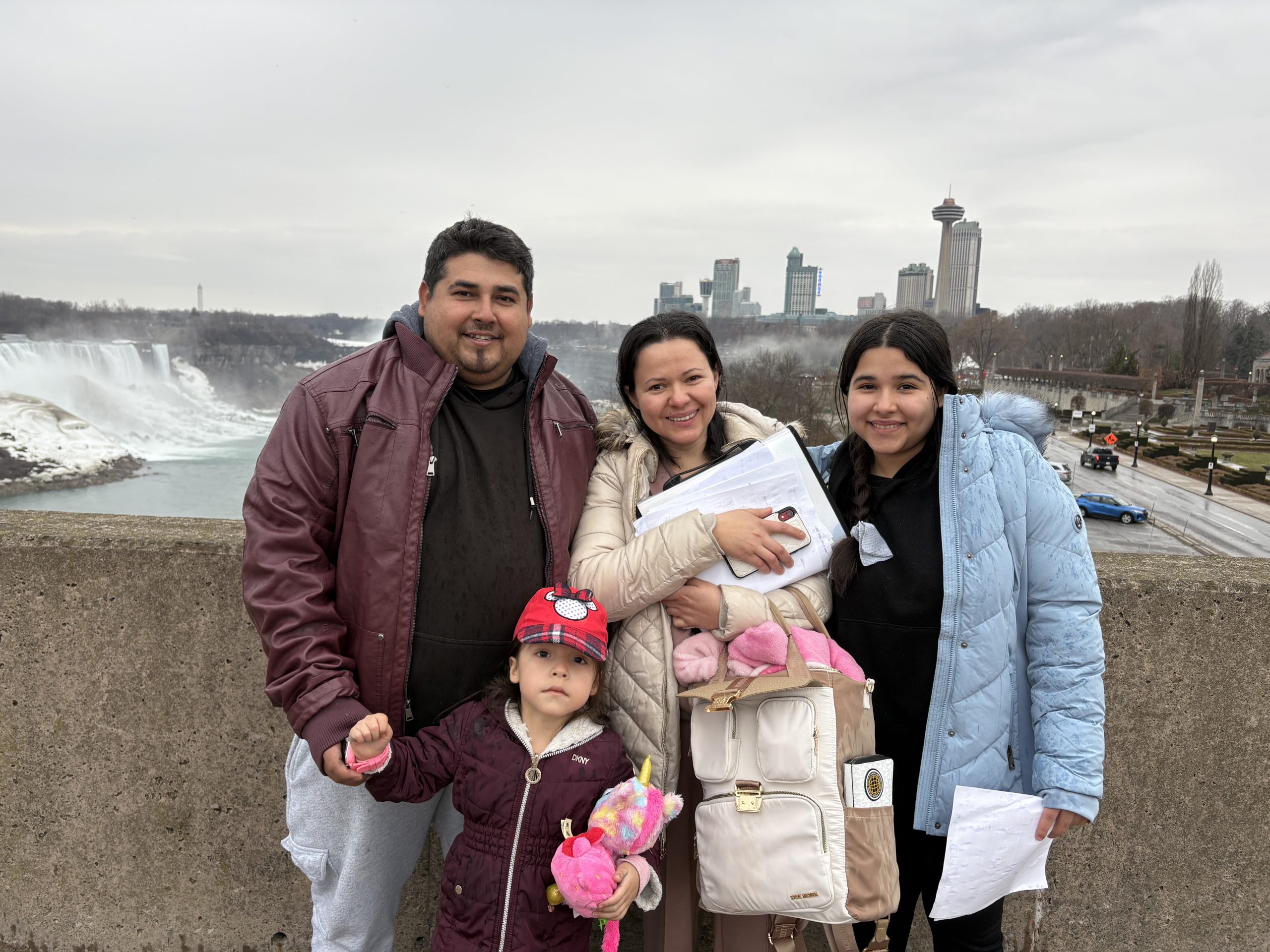
Overview: Insurance as a Foundation for Successful Settlement
Canadian immigrants and newcomers navigate multiple stages of settlement — pre‑arrival, short‑term post‑arrival, and long‑term integration. At each stage, insurance plays a crucial role in ensuring safety, stability, and financial security. As your document notes, “settlement services that are usually associated with insurance issues are generally only available to permanent residents, refugees and some temporary residents."
Pre‑arrival services focus on orientation, climate adaptation, and employment information. Short‑term needs upon arrival include housing, food, mental health support, translation, and documentation assistance. Long‑term integration involves employment, language training, social networks, and education for children. Refugees often require extended support due to trauma and vulnerability.
Across all stages, newcomers require access to health, life, auto, home, and tenant insurance, each shaped by provincial regulations and individual circumstances.
1. Types of Insurance Available in Canada
1.1 Health Insurance
Newcomers may face waiting periods before qualifying for provincial health coverage. During this time, private health insurance is essential. Your document highlights that this is especially critical for refugees with “complex needs or trauma experienced prior to arrival”.
1.2 Other Essential Insurance Types
Newcomers commonly require the following:
Tenant/renter’s insurance for belongings and liability
Auto insurance (mandatory for drivers)
Life and disability insurance for family protection
Settlement workers often help newcomers secure these policies shortly after arrival.
1.3 Provincial and Regional Variations
Insurance rules differ across provinces — especially in Québec, which has its own settlement and insurance frameworks. Understanding regional requirements is essential for compliance and adequate protection.
2. Health Insurance Options and Provincial Coverage
2.1 How Canada’s Provincial Health System Works
Canada’s universal healthcare system is publicly funded but administered provincially. As your document states, "Each province in Canada has its own health insurance system but works together to create a universal single‑payer system."
While universal, coverage varies by province, and newcomers must meet residency requirements.
2.2 What This Means for Newcomers
Newcomers may face:
Waiting periods before coverage
Confusion about what is and isn’t covered
Gaps in areas like dental, vision, and prescription drugs
Private insurance often fills these gaps.
3. Auto Insurance Requirements for Newcomers
3.1 Quebec’s Legal Framework
In Québec, auto insurance is governed by:
Loi sur l’assurance automobile
Code de sécurité routière
Both require all drivers — including newcomers — to carry insurance.
3.2 Mandatory vs. Optional Coverage
The standard F.P.Q. 1 policy includes the following:
Mandatory civil liability insurance
Optional property damage endorsements
Educational resources from AMF help newcomers understand these options.
3.3 Regulatory Oversight
Organisations such as
Chambre de l’Assurance de Dommages
Groupement des Assureurs Automobiles
Éducaloi and Infoassurance
provide consumer protection and insurance education.
4. Life and Disability Insurance Considerations
4.1 Modelling Life and Disability Contracts
Life and disability insurance rely on multi‑state actuarial models that track an insured person’s status over time. Your document explains that modelling disability requires understanding “the origin of the disability…which can have a huge impact on the terms of the coverage”.
4.2 Transaction Time Models
Newer models calculate reserves based on the timing of insurance transactions. This is especially important for disability insurance, where claim timing varies widely among newcomers.
5. Home and Tenant Insurance for Immigrants
5.1 Mandatory Insurance and Precautionary Savings
Research shows mandatory insurance reduces precautionary savings by around 20%, demonstrating that insurance substitutes for personal savings in risk management.
5.2 Cultural and Demographic Factors
Contrary to assumptions, your document notes “no difference in saving behaviour between Chinese people and other immigrants in Canada” when mandatory insurance is present.
6. Eligibility Criteria and Documentation Requirements
6.1 Express Entry Eligibility
Express Entry selects candidates based on:
Language proficiency
Education
Work experience
Human capital factors
Only those meeting minimum criteria enter the pool.
6.2 Documentation Requirements
Applicants must submit:
Language test results
Educational credentials
Work experience proof
Identification documents
IRCC officers verify all information before issuing permanent residence.
7. Common Challenges and Barriers for Newcomers
7.1 Lack of Prior Insurance Experience
Many newcomers struggle with:
Understanding insurance systems
Navigating administrative requirements
Misconceptions about coverage
Your document notes this can “be a barrier to access to basic health services”.
7.2 Systemic Barriers
Challenges include:
Long wait times
Geographic disparities
Language barriers
Confusing or redundant coverage
8. Resources and Support Services for Insurance Guidance
8.1 Pre‑Arrival Orientation
Services in countries like China, India, Morocco, and the Philippines provide early guidance on life in Canada.
8.2 Short‑Term Post‑Arrival Support
Settlement workers help newcomers access:
Health insurance
Housing insurance
Employment insurance
Documentation support
8.3 Long‑Term Integration
Community‑based programmes support language learning, employment, and ongoing insurance literacy.
8.4 Specialized Support for Refugees
Refugees often require extended assistance due to trauma and complex needs.
8.5 Provincial Variations
Québec’s unique settlement system under the Canada‑Québec Agreement creates distinct pathways for insurance guidance.
Conclusion
Your document highlights that insurance is essential to newcomer stability and long‑term success. Access to health, auto, life, disability, home, and tenant insurance varies by province, eligibility, and immigration status. Newcomers face administrative and systemic barriers, but robust support services — from pre‑arrival orientation to long‑term community integration — help bridge these gaps.
Ultimately, effective policy interventions, consumer education, and settlement support systems are critical to ensuring newcomers can navigate Canada’s insurance landscape confidently and securely.
About the Author
Matthew Ayandare is a seasoned financial advisor and insurance agent licensed in Ontario. He has extensive experience helping individuals and families assess financial risks, understand insurance products, and choose solutions that are practical and appropriate for their needs. His writing is focused on education, clarity, and informed decision-making for everyday readers.
Disclaimer
The views expressed in this article are provided solely for general educational purposes and should not be relied upon as legal, tax, investment, insurance, or other professional advice. Every reader’s circumstances are unique, and any insurance or financial decision should be based on personal objectives, risk tolerance, policy terms, and applicable laws or regulations. Readers are encouraged to conduct their own due diligence and consult appropriately qualified professionals before making any financial or insurance-related decisions.
Category: Fin-Advisor