Why Heart Attacks and Strokes Rise in December, and How to Protect Yourself
By Bola Eboh —
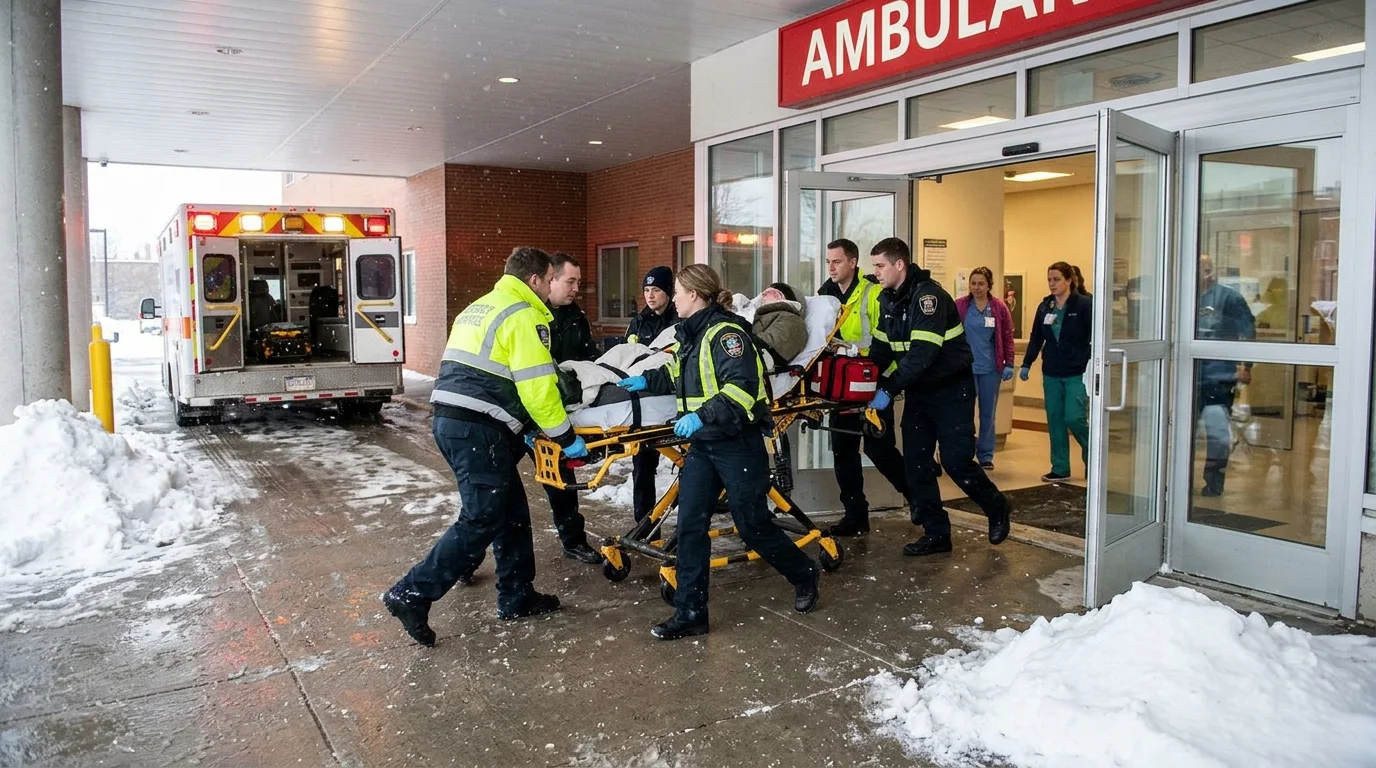
Hospital emergency departments worldwide see a sharp, predictable rise in cardiac admissions and strokes during the final two weeks of the year. While winter holidays are traditionally associated with rest and family gatherings, medical registries show that the final days of December carry the highest annual risk for fatal cardiovascular events.
Research published in the British Medical Journal analysed 283,014 heart attacks recorded in Sweden over sixteen years. The researchers identified a 37 per cent increase in the risk of myocardial infarction on 24 December, with peak danger occurring at roughly 10:00 pm. Similar findings appeared in a landmark study of 53 million United States death certificates published in the American Heart Association journal Circulation. That analysis recorded a distinct spike in cardiac deaths on 25 December, 26 December, and 1 January, a pattern that persisted across both cold and warm American states.
In the Southern Hemisphere, where Christmas falls in the heat of summer, researchers observed the same late-December jump in cardiac fatalities. A study of New Zealand death records published in the Journal of the American Heart Association confirmed that holiday mortality increases occur independently of freezing weather. The pattern stems from a combination of biological strains, disrupted routines, dietary shifts, and delayed medical treatment.
The Biological Strain of Cold, Dust, and Seasonal Weather
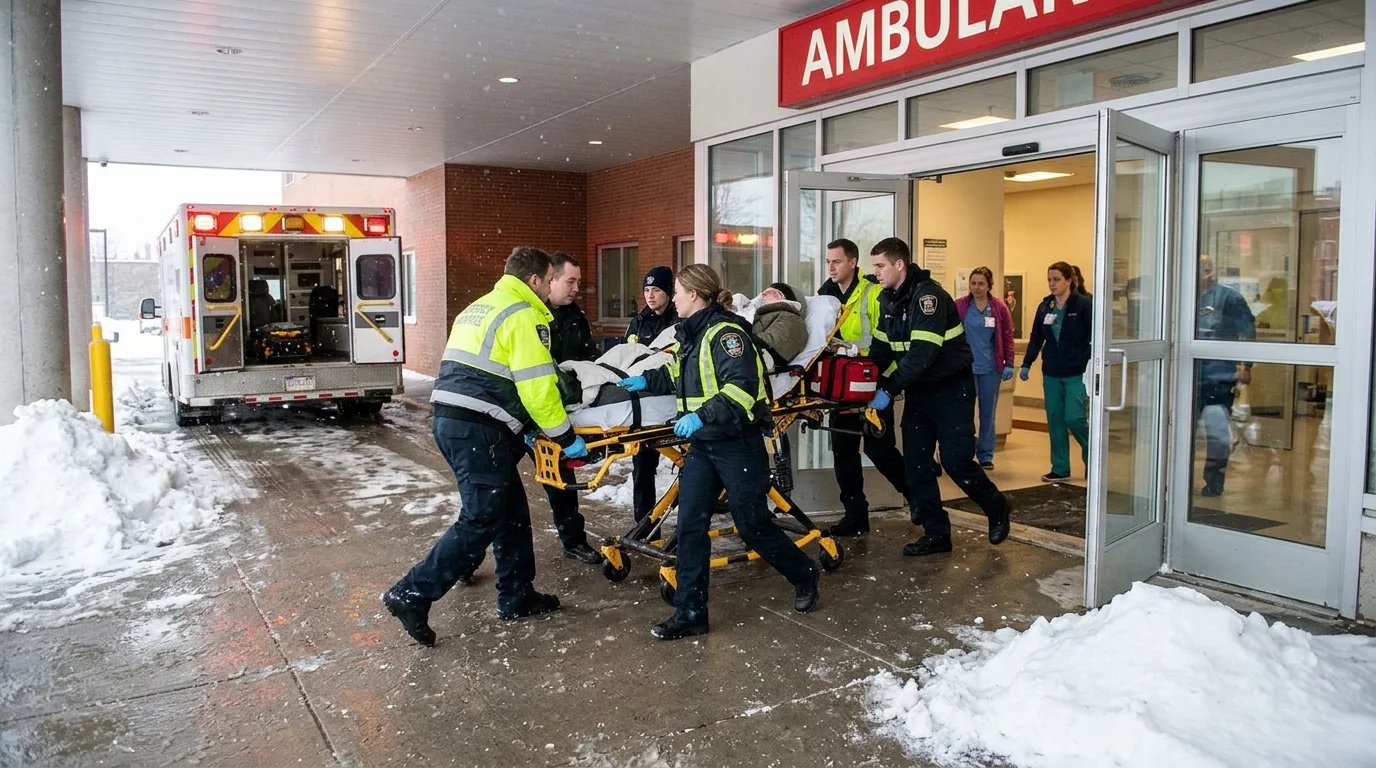
Weather exerts direct mechanical stress on the circulatory system, though the specific hazard depends on where a person lives. In temperate and northern regions such as the United Kingdom, Canada, and the northern United States, dropping temperatures cause peripheral blood vessels to narrow. This vasoconstriction keeps the body core warm, but it forces blood pressure upward and requires the heart to pump harder against higher systemic resistance.
Cold air also alters blood composition. Exposure to low temperatures triggers increases in red blood cell counts, fibrinogen levels, and blood viscosity, which raises the probability of blood clots forming inside narrowed coronary or cerebral arteries. Physical exertion in cold weather, such as clearing heavy snow or running in sub-zero temperatures, places sudden, extreme oxygen demands on a heart already coping with constricted vessels.
In West African nations such as Nigeria and Ghana, December brings the Harmattan: dry, dust-laden trade winds blowing south from the Sahara Desert. The air fills with fine particulate matter (PM2.5), which penetrates deep into the lungs and enters the bloodstream. Inhaled particulates induce systemic arterial inflammation, elevate blood pressure, and irritate bronchial pathways. For individuals with existing coronary artery disease, the resulting inflammatory cascade can cause atherosclerotic plaques to rupture, triggering acute coronary events.
Diet, Alcohol, and Holiday Heart Syndrome
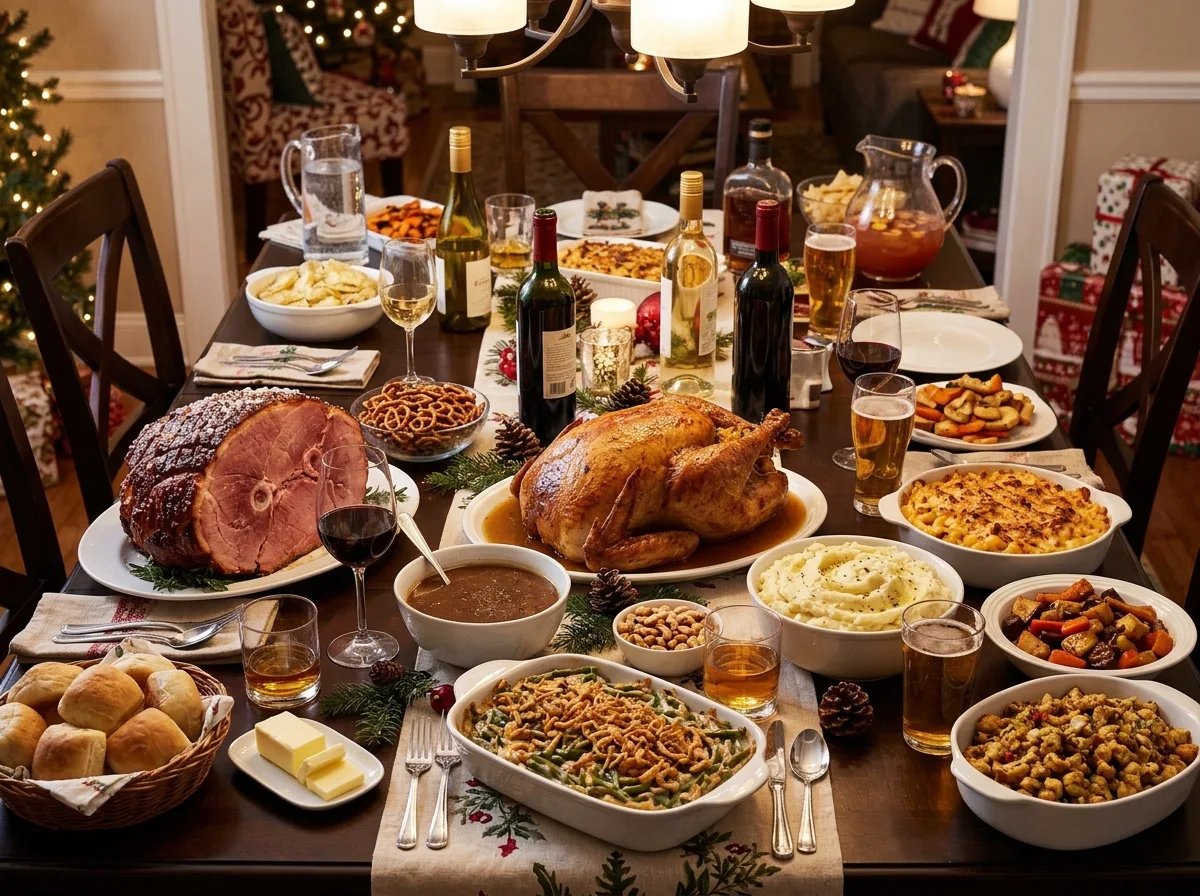
Celebratory meals in December contain exceptionally high concentrations of sodium and saturated fats. A single festive banquet can easily deliver triple the World Health Organization recommended daily limit of 2,000 milligrams of sodium. Rapid sodium absorption expands intravascular blood volume within hours. For individuals with borderline hypertension or undiagnosed heart failure, this sudden fluid load increases cardiac preload, stretches the ventricular walls, and drives blood pressure to dangerous levels.
Heavy alcohol consumption presents an equally acute danger. In 1978, American cardiologist Philip Ettinger identified "holiday heart syndrome" after noticing healthy individuals developing cardiac arrhythmias after weekend and holiday drinking binges. The most frequent manifestation is atrial fibrillation, an erratic, rapid heartbeat originating in the upper chambers of the heart.
Binge drinking causes an outpouring of adrenaline, disrupts cardiac cell electrolyte balance, and dehydrates vascular tissue. When the heart enters atrial fibrillation, blood pools inside the left atrium instead of pumping smoothly into the ventricle. This pooling allows clots to form. If a clot dislodges, it can travel directly into the brain, causing an ischemic stroke. While holiday heart syndrome can resolve once alcohol clears the system, the initial episode carries an immediate stroke risk.
Emotional Stress and the Deadly Delay in Seeking Care
December imposes acute emotional and logistical pressures. Travel logistics, financial outlays, disrupted sleep cycles, and family friction increase the body's production of cortisol and catecholamines. These stress hormones accelerate heart rate, raise vascular tone, and increase platelet reactivity, creating ideal conditions for arterial thrombosis.
The greatest contributor to December mortality is not the onset of symptoms, but the delay in treating them. Patients suffering chest discomfort, shortness of breath, or numbness frequently postpone calling an ambulance. Many hope the sensation is merely indigestion or travel fatigue, while others deliberately delay seeking help because they do not wish to interrupt a family gathering, leave children unattended, or cancel an expensive journey.
Hospitals during late December also face operational challenges. Emergency departments operate with reduced holiday rotas, fewer elective catheterisation laboratory slots, and lower baseline staffing. Every thirty-minute delay between the onset of an arterial blockage and coronary intervention substantially increases the volume of permanent heart muscle death.
Recognising the Symptoms That Demand an Emergency Call
Recognising cardiovascular distress requires knowing how signs vary across different groups. While crushing central chest pain that radiates into the left arm remains the classic warning sign of a heart attack, many patients experience far less obvious markers.
Women, elderly patients, and people living with diabetes frequently present without chest pressure. Their symptoms often take the form of profound, unexplained exhaustion, shortness of breath while seated, cold sweats, or pain focused exclusively in the jaw, neck, back, or upper abdomen. Mistaking these signs for heartburn or a mild gastric bug can prove fatal within hours.
For strokes, emergency services recommend using the FAST assessment:
- Face: Has one side of the person's face dropped? Ask them to smile to see if the mouth is uneven.
- Arms: Can the person raise both arms and keep them level, or does one arm drift downward?
- Speech: Is their speech slurred, garbled, or difficult to understand?
- Time: If any of these signs appear, phone emergency services immediately.
Do not drive a patient to the hospital in a personal vehicle if emergency ambulances are operational in your area. Paramedics begin diagnostic electrocardiograms and administer clot-preventing medications on the way, alerting hospital catheterisation teams before arrival.
Keep local emergency numbers memorised or saved in mobile phones:
- United Kingdom: 999
- United States and Canada: 911
- Nigeria: 112
- Ghana: 112
- South Africa: 10177 or 112
December Risk Factors and Preventive Measures
Understanding specific hazards makes managing personal risk straightforward during the busy holiday period.
| Risk Trigger | Physiological Consequence | Protective Measure |
|---|---|---|
| Extreme cold or Harmattan dust | Vasoconstriction, blood thickening, airway inflammation | Wear warm layers, limit strenuous outdoor work, and use face coverings in dust storms |
| Binge drinking | Adrenaline surges, dehydration, atrial fibrillation | Space alcoholic drinks with water and avoid heavy spirit consumption |
| High-sodium feasts | Fluid retention, sharp rise in blood pressure | Balance rich restaurant or party food with plain, unseasoned meals |
| Holiday disruption | Missed medication, delayed refills, pharmacy closures | Order repeat prescriptions two weeks ahead and set phone dose alarms |
| Reluctance to ruin events | Extended ischemia, increased heart and brain tissue death | Treat unexplained chest discomfort or neurological deficits as immediate emergencies |
Protecting Medication Schedules During Travel
Travel disrupts daily habits and remains a frequent cause of accidental medication cessation in December. Blood pressure medicines, statins, antiplatelet drugs, and anticoagulants must be taken consistently to maintain stable blood levels. Abruptly missing doses of beta-blockers, for example, can trigger rebound tachycardia and severe blood pressure spikes.
Pack all prescription medications in carry-on luggage rather than checked bags. Airlines misplace thousands of suitcases during peak December travel, and losing access to anti-arrhythmic drugs or insulin while stranded in transit creates an unnecessary crisis. Keep pills in their original pharmacy-labelled boxes to avoid delays at international border controls.
When crossing time zones, adjust dosing schedules gradually rather than skipping a dose to align with local clock times. For journeys spanning three or more time zones, consult a pharmacist or general practitioner beforehand to establish a transition schedule. Check community pharmacy operating hours well in advance of bank holidays, as facilities across the UK, Canada, and elsewhere routinely operate on limited hours between Christmas Eve and the first working day of January.
Conclusion
The December surge in heart attacks and strokes is driven by environmental cold, dust exposure, excessive salt, binge drinking, and holiday stress. Recognising that atypical symptoms require immediate emergency intervention, taking steps to moderate rich food and alcohol intake, and maintaining strict adherence to daily medications ensure that preventable cardiovascular crises do not derail the festive season.
Sources
- BMJ: Mohammad et al., "Christmas, national holidays, sport events, and time of day as triggers for myocardial infarction" (2018)
- Circulation: Phillips et al., "Cardiac Mortality Is Higher Around Christmas and New Year's Than at Any Other Time" (2004)
- Journal of the American Heart Association: Knight et al., "Revisiting the 'Christmas Holiday Effect' in the Southern Hemisphere" (2016)
- World Health Organization: Cardiovascular Diseases Factsheet
Disclaimer: This article is for informational purposes only and does not constitute medical advice. If you or someone around you experiences chest pain, facial drooping, or breathing difficulties, contact your local emergency medical service immediately.
Category: Health