Oshiomhole defends Tinubu’s borrowing plan, says loans will fund infrastructure
By CelebUD Newsroom —
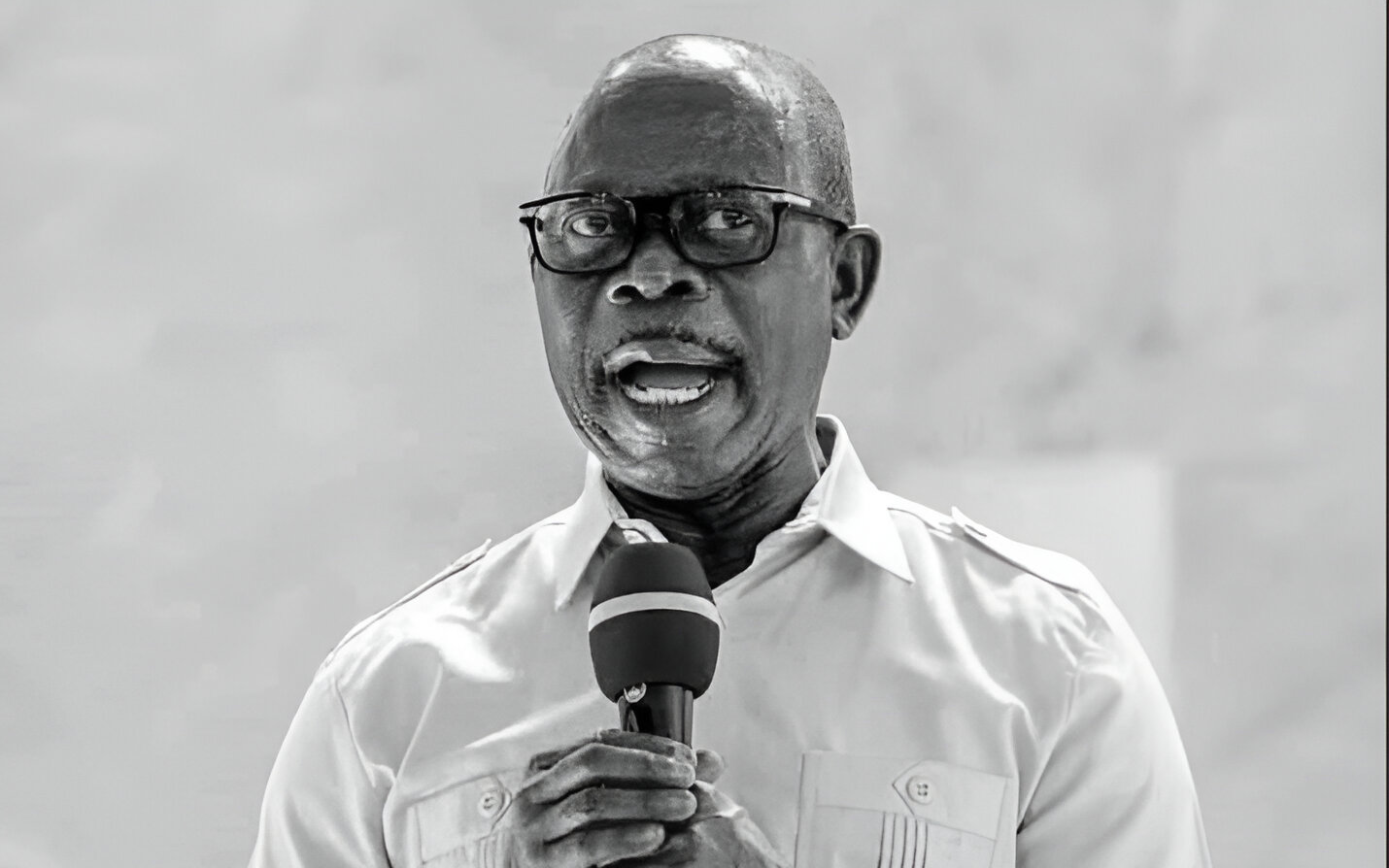
Edo North Senator Adams Oshiomhole has mounted an energetic defense of President Bola Tinubu’s latest external borrowing request, insisting that the incoming capital is strictly targeted at closing Nigeria’s massive infrastructure gaps rather than settling civil service salaries or handling operational running costs. Speaking during a television appearance, the veteran lawmaker argued that taking on strategic, long-term credit is an inevitable economic necessity if Africa’s most populous nation hopes to dismantle deep-seated barriers to industrialisation and sustained wealth creation.
Legislative Review and the Rationale for New Debt
Addressing the matter during an appearance on TVC’s Beyond the Headline, Oshiomhole, who previously served as governor of Edo State and national chairman of the ruling All Progressives Congress, outlined the status of the executive proposal. The formal communication sent by President Tinubu has landed in the upper legislative chamber and has been forwarded to the Senate Committee on Local and Foreign Debts to undergo detailed legislative examination.
Oshiomhole noted that the country cannot afford to halt national development until the federal treasury accumulates enough internal revenue to bankroll capital projects directly. Decades of delayed modernization, he stated, have left basic transportation, energy, and logistics networks in urgent need of massive funding injections that domestic receipts cannot immediately cover.
“I think this is what this additional payment is meant to address,”
he explained, reinforcing the view that government must rely on credit mechanisms when current revenues fall short of heavy capital requirements.
“We are here now and we have to be able to borrow,”
the senator added, pointing out that Nigeria faces a clear choice between decisive long-term capital investments or prolonged economic stagnation.
Oshiomhole framed the debate as an unavoidable strategic crossroad: the administration can either step back from financing infrastructure and accept the resulting economic paralysis, or secure sustainable long-term liabilities designed to fuel economic expansion and yield the domestic productivity required to service those very obligations.
“Stop borrowing, stop development, stop funding infrastructure, keep lamenting what they’ve done there, or take the bold step, get long-term loans that are sustainable, grow the economy in a manner that it will generate enough prosperity to settle those loans,”
he said.
Sovereign Creditworthiness and Domestic Market Protections
Beyond capital creation, Oshiomhole asserted that international lenders' willingness to extend credit to Nigeria shows continued faith in the nation's underlying macroeconomic prospects. He also highlighted a key domestic financial benefit: tapping foreign credit markets prevents the federal government from monopolising internal commercial banking liquidity, which might otherwise deprive local private enterprises of accessible business loans.
Addressing the composition of the debt package, the lawmaker stressed that the official presidential correspondence explicitly earmarks the funds for capital assets. Operating overheads, monthly wage bills, and recurrent statutory allowances are excluded from the financing envelope.
While declining to preempt what the Senate Committee on Local and Foreign Debts will conclude when it reports back to plenary, Oshiomhole expressed strong optimism that the broader chamber will endorse the borrowing package. He observed that federal lawmakers frequently raise alarms over crumbling road systems, decaying interstate arteries, and insufficient transit corridors; it would be inconsistent, he argued, for those same representatives to block the capital acquisitions needed to remedy the crisis.
Given Nigeria’s vast territorial expanse, Oshiomhole emphasized that motorways alone cannot satisfy national transit requirements. Modern transport links—integrating railways, roads, and power grids—are essential to connect far-flung economic regions, ensure factory outputs reach domestic retail consumers, and move essential industrial raw materials to factory gates without ruinous logistical expenses.
Responding to Political Opposition and Historical Spending
The borrowing initiative has faced vocal pushback from political opponents, notably former Vice-President Atiku Abubakar, who was the African Democratic Congress presidential candidate. Oshiomhole dismissed the friction as normal political debate, affirming that Atiku possesses every democratic right to voice dissent.
While he urged minority lawmakers within the Senate to use their oversight positions to interrogate executive submissions, Oshiomhole insisted that accountability demands must not turn into parliamentary obstructionism. He noted that fiscal debt disputes are common in advanced democracies, noting that lawmakers and citizens across both the United Kingdom and the United States regularly engage in heated public battles concerning escalating sovereign debt burdens.
The Edo North senator maintained that his loyalty to the ruling administration has never compromised his independence, pointing out that he has publicly challenged state actions whenever he considered them flawed. Democratic governance, he observed, demands total transparency before the electorate, but legitimate queries must not be leveraged to bring capital works to a standstill.
Focusing on industrial revitalization, Oshiomhole warned that President Tinubu’s vision to rebuild the country's manufacturing capacity will stall unless the nation secures an uninterrupted, cost-effective power supply. Modern industrial conglomerates cannot compete regionally if they must rely on private, expensive diesel generators to run production lines.
Addressing past performance, Oshiomhole revisited the management of the power sector under previous administrations, including the privatization efforts overseen while Atiku held office. He referenced the reported historical expenditure of $16 billion directed toward the electricity network, questioning why those investments produced so little baseline capacity.
He placed the proposed $22 billion financing program against that historical $16 billion capital allocation, noting that decades of currency depreciation and global inflationary adjustments mean the proposed funds actually carry less purchasing power in real terms than the energy outlays of the past. To emphasize the link between physical assets and public prosperity, the senator cited China's massive, sustained capital investments in roads, heavy rail, and electric power infrastructure, which successfully lifted hundreds of millions of its citizens out of poverty.
Will borrowing abroad protect local bank credit and lower running costs?
Senator Oshiomhole's rationale highlights a persistent headache for Nigerian entrepreneurs: access to credit. By seeking financing from international lenders, the administration aims to avoid borrowing heavily from local commercial banks—a practice that historically crowds out small enterprises and keeps domestic lending rates painfully high.
For manufacturers, processors, and retailers, the promise of upgraded railways and a more stable power grid is critical. Right now, moving goods from transit hubs to domestic retail consumers involves crushing freight charges, while daily reliance on expensive diesel generators continuously erodes operating margins. If external funding genuinely delivers cheaper power and better transit corridors, domestic businesses could produce and distribute goods at far more competitive prices.
The central concern for business operators is delivery. If newly borrowed billions do not translate into functional infrastructure that lowers day-to-day operating costs, businesses risk facing both unchanged logistics bottlenecks and higher future taxes introduced to settle foreign debt obligations.
Question to consider: When evaluating your operational budget for the year ahead, how much of your margin is consumed by power and haulage, and what alternative suppliers or energy backups can protect your cash flow if grid improvements take time to arrive?
Conclusion
Senator Adams Oshiomhole’s defense of the executive borrowing plan highlights the administration's argument that Nigeria cannot address its infrastructure deficit using operating revenues alone. As the Senate Committee on Local and Foreign Debts conducts its formal review, the focus shifts to whether the proposed investments in transportation corridors and electric generation can generate enough productivity to service the resulting debt obligations.
Reporting based on coverage by Premium Times Nigeria.
Category: Politics