The College of Magic turns ordinary kids into confident, top-hat wearing magicians
By CelebUD Newsroom —
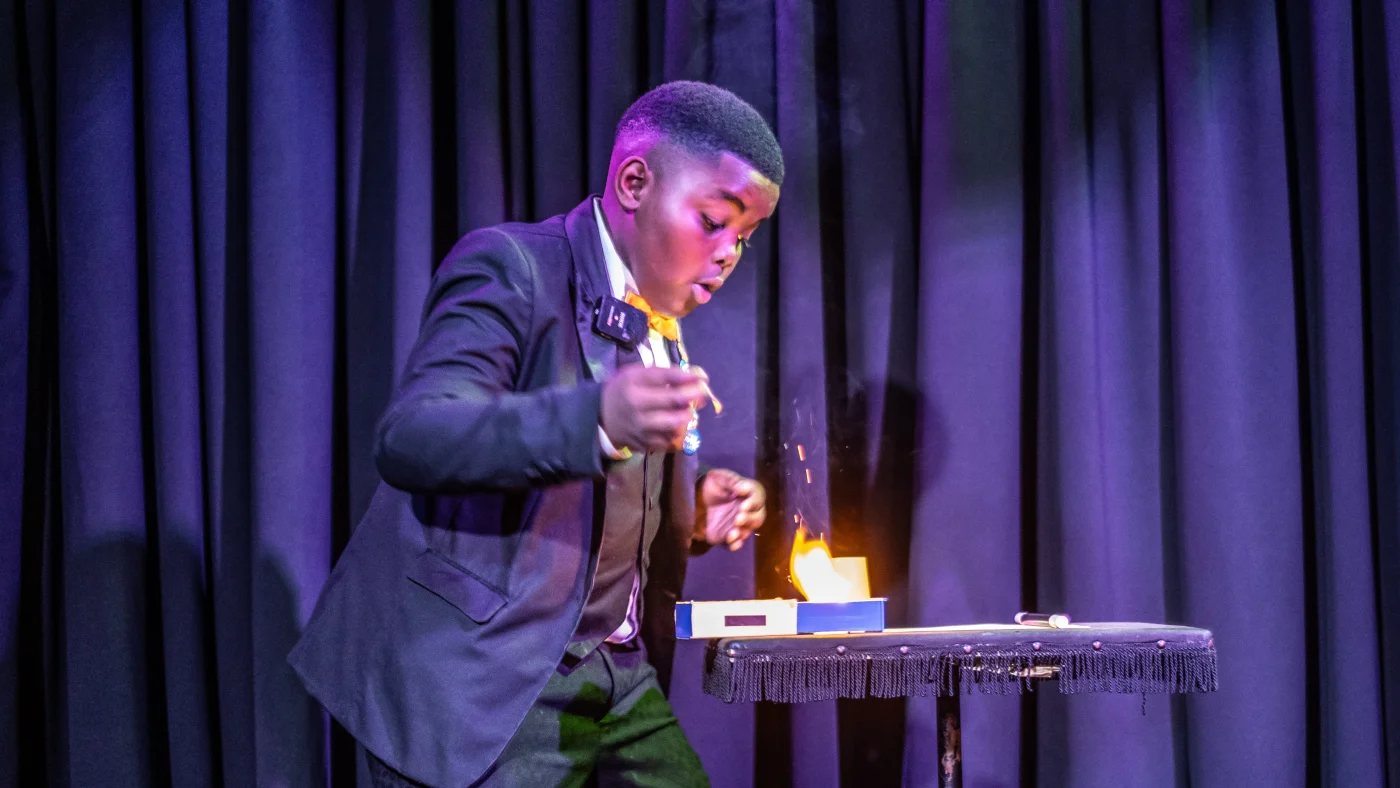
In an imposing Victorian red-brick house shaded by palm trees in suburban Cape Town, young illusionists in three-piece suits and oversized top hats are mastering the art of sleight of hand. Known as Africa's sole dedicated training centre for youthful conjurers, the College of Magic serves as far more than an academy for tricks. For more than four decades, the nonprofit institution has operated as a safe haven, bridging deep socioeconomic divisions and offering children from vulnerable townships a transformative pathway toward confidence, resilience, and personal discipline.
Defying Apartheid Through Illusion: The College's Origins
The origins of the academy trace back to 1980, when founder David Gore was balancing legal studies with weekend magic gigs. Seeking to formalize performance training for youth, Gore and a partner pitched the concept to a local newspaper while dressed in traditional tails and top hats. Following an impromptu demonstration inside the newsroom, the paper ran a feature that instantly drew 34 founding pupils to weekly sessions.
Crucially, the academy opened its doors during the height of the apartheid regime, an era marked by state-enforced segregation across schooling, public transit, and civic life. By establishing an integrated, multiracial student body, the organization deliberately broke the law of the day.
"When we started out, our organization was illegal. This was an opportunity for young people from all backgrounds to come together around a common interest in magic, to learn about each other and understand each other."
— David Gore, Founder of the College of Magic
Decades after the legislative end of apartheid, Cape Town remains deeply split along economic and geographic boundaries. Today, roughly 190 learners between the ages of 10 and 18 gather every Saturday morning. While a portion of students arrive from affluent neighbourhoods in family vehicles, many others commute upwards of an hour via shared minibus taxis from under-resourced townships. Despite the school charging tuition for its comprehensive six-year curriculum, approximately 80 percent of learners attend on full sponsorships funded by private donors.
Inside the Classroom: Beyond Prestidigitation
The academy's grounds hum with creative energy. On any given weekend, teenagers dodge between parked vehicles practicing unicycle balance, while juggle clubs, diabolos, and balls crisscross overhead. Within the building, vintage display cabinets hold historic wands, sparkling headwear, steel handcuffs, and contest accolades collected on global tours.
The six-year developmental programme encompasses a vast spectrum of performing arts designed to shape well-rounded entertainers:
- Close-Up Sleight of Hand: Advanced card handling, coin disappearance, and misdirection.
- Theatrical Disciplines: Mime, physical clowning, puppet manipulation, and stagecraft.
- Grand Illusion: Mentalism routines, escapology techniques, and prop construction.
- Kinetic Arts: Multi-object juggling, unicycling, and equilibrium feats.
The institution also adapts its practices over time; while earlier eras incorporated live animal performances featuring doves, the school has phased out live fauna in stage acts in favour of modern performance techniques.
Cognitive and Social Benefits of the Magical Arts
Educational and psychological research supports the notion that magic builds vital neurological and cognitive skills. A collaborative 2021 investigation by scholars at the Universities of Hertfordshire and Edinburgh demonstrated that youths instructed in magic tricks exhibited significantly higher improvements in creative fluency and original thinking than peers engaged in standard visual arts activities. Additional studies indicate that deciphering illusion stimulates neural regions governing mental flexibility, problem solving, and analytical resilience.
"Many of our graduates don't become performers or magicians. But one of the skills that this young generation is most going to need for their careers is creativity. That is what's so fantastic about magic: Nothing's impossible for us."
— David Gore
A Sanctuary from Township Realities
For students hailing from peripheral settlements, the academy represents a necessary counterweight to structural adversity. Eleven-year-old Lubelo Mthenjana, an aspiring entertainer known by his stage moniker Spade Boy, resides in Makhaza within the Khayelitsha township. In an urban landscape where South Africa's severe murder rate manifests in frequent gunfire and youth gang recruitment, the discipline of rehearsal serves as a critical shield.
Lubelo's mother, Yandiswa, observes that the rigorous demands of practice keep her son securely engaged indoors, insulating him from street pressures. The craft also requires cultural diplomatic work: in townships where superstitious beliefs link magic to dark sorcery, Lubelo frequently has to clarify that his illusions aim simply to spark joy rather than malevolence.
The threat of urban violence remains a painful reality for the institution. The school recently held a memorial gathering honouring Duma Mgqoki, a 22-year-old alumnus and volunteer instructor whose life was cut short by a shooting in Cape Town's Philippi area. The tragedy highlighted the heavy burdens borne by learners, many of whom regularly witness the direct consequences of violent crime.
The Annual Showcase: Putting Skills to the Test
The culmination of seasonal study arrived during the annual junior magic showcase on a damp Saturday. Competing across diverse performance categories, students demonstrated their specialized abilities before an adjudicating panel composed of former graduates and staff, including long-standing alumni Caitlin Hutchison and logistics professional Monica Nyakatya.
| Competitor / Student | Age | Discipline / Performance Detail | Outcome / Status |
|---|---|---|---|
| Lubelo Mthenjana | 11 | Disappearing clips, sweet production, stage patter | Winner, Junior Category |
| Sibabalwe Sibaj | 17 | Simultaneous unicycling and juggling | Senior Student Performer |
| Joshua Clyde | 14 | All-weather endurance unicycling | Active Student Athlete |
| Kungentando Ndenetya | 12 | Solo stage magic routine | Contestant |
| Themba Van der Westhuizen | 12 | Interactive sleight-of-hand illusions | Junior Student |
| Okuhle Ntshutshe | 12 | Humanoid puppetry under mentor guidance | Puppetry Track Student |
Dressed in a tailored black suit with a yellow bow tie, Lubelo captured his age division's top honour after executing clean vanishes with office clips and conjuring sweets out of thin air for the gathered crowd. Embracing his mother after stepping from the podium, his win underscored the power of practical arts instruction in unlocking individual promise.
What this means for youth programmes and private giving in African cities
Across major urban hubs from Lagos to Nairobi, millions of young people grow up in vulnerable neighbourhoods where safety, constructive recreation, and mentorship are scarce. Most non-profit interventions in these communities default exclusively to football academies or vocational trade centres. While those models are valuable, the enduring success of this Cape Town initiative highlights the untapped potential of alternative, arts-driven safe havens that blend long-term mentorship with cognitive enrichment.
Crucially, the academy sustains its impact because roughly 80 percent of its learners attend via private donor sponsorships, creating an intentional bridge between wealthy suburbs and underfunded settlements. For African philanthropists, alumni associations, and community leaders looking to create meaningful social mobility, supporting sustained multi-year youth academies produces measurable outcomes: sharper mental flexibility, safety from street recruitment, and cross-class social networks.
Takeaway to consider: Could local community funds and diaspora giving achieve deeper impact by investing in specialized creative youth academies rather than short-term relief?
Conclusion
Cape Town's College of Magic demonstrates how deliberate arts education can counter systemic marginalization. By using stage illusion as an accessible vehicle for social inclusion, the institution equips children with self-assurance, original problem-solving faculties, and emotional grit. As alumni transition into diverse professions from logistics to professional entertainment, the academy continues to serve as an enduring engine of community resilience across southern Africa.
Reporting based on coverage by NPR News.
Category: Education