‘Reports such as yours could always put us on our toes,’ UNIJOS dean reacts to PREMIUM TIMES report
By CelebUD Newsroom —
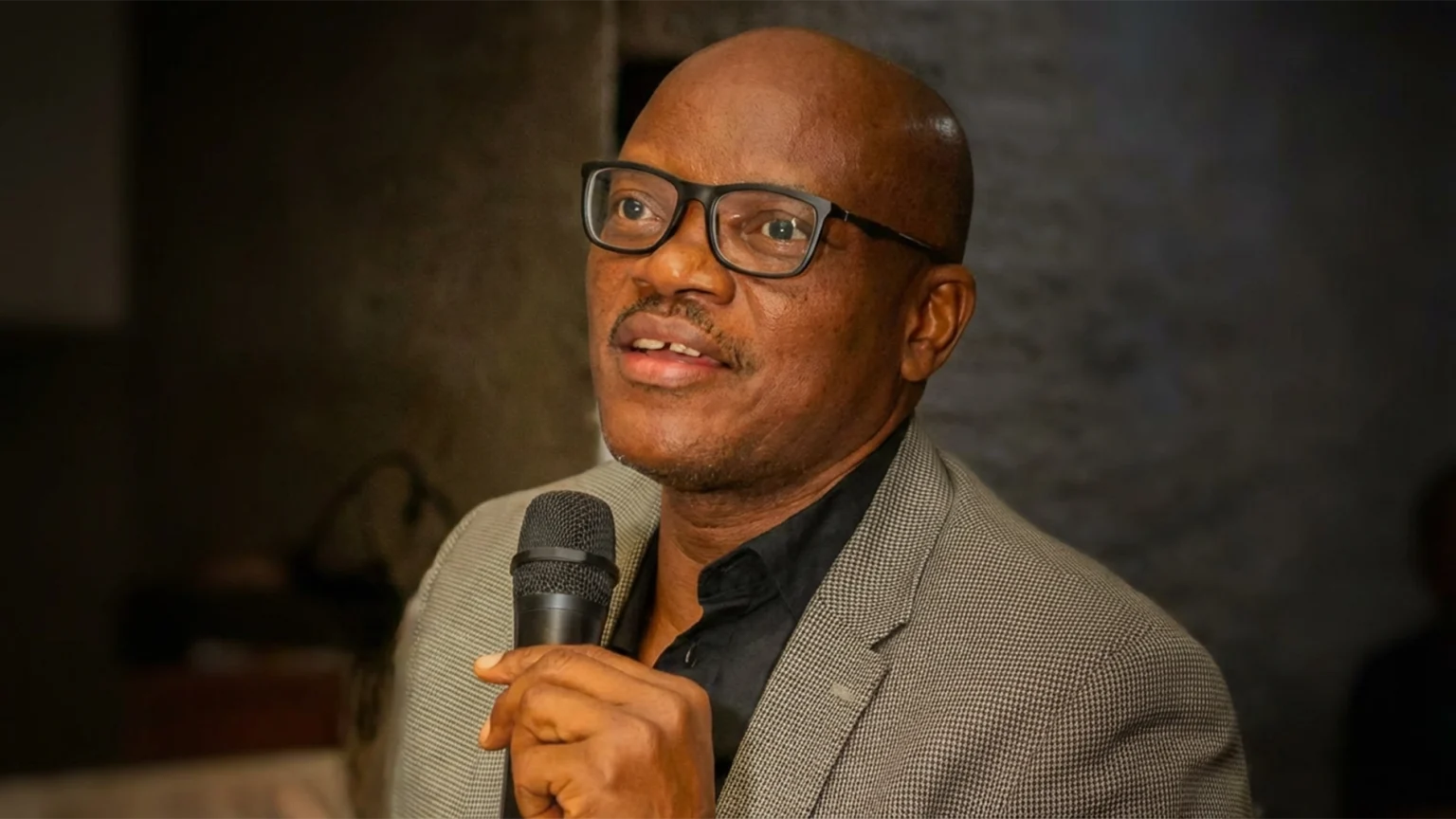
The leadership of the University of Jos has acknowledged severe infrastructure deficits at its Village Hostel following an in-depth investigation exposing the distressing conditions endured by students living with disabilities. Professor Chris Piwuna, the institution's Dean of Student Affairs, admitted that the dedicated accommodation facility falls short of required standards, conceding that widespread maintenance hurdles continue to plague university administration.
Responding directly to the published findings, Piwuna maintained that institutional neglect was not to blame, arguing that school authorities have carried out targeted interventions over time to alleviate the burdens facing vulnerable students. However, the university leadership stopped short of committing to concrete deadlines or releasing an actionable roadmap to overhaul deteriorating buildings, install vital wheelchair ramps, or fix basic sanitation units across the premises.
Distressing Conditions Documented at Village Hostel
The spotlight on the Plateau State institution follows documented evidence showing systemic structural barriers that severely curtail the independence of disabled undergraduates. A September on-site inspection of the Village Hostel uncovered dilapidated restrooms lacking fundamental accessibility infrastructure such as grab bars, level entrances, and handrails suited for mobility-impaired residents.
Sanitary circumstances inside the hall presented acute concerns. Restrooms were found in an unhygienic state, thick with foul odours and visible waste matter. Furthermore, several residential quarters featured shattered windowpanes improvised with pieces of cardboard and scrap timber to block out harsh weather.
Beyond the living quarters, traversing the compound remains hazardous. The grounds are compromised by rough ground, unpaved potholes, loose stones, and dense weeds. These conditions create daily physical hazards for residents, including:
- Paraplegic and mobility-impaired scholars: Wheelchair users find it nearly impossible to independently access bathroom stalls or venture across the grounds without substantial outside help.
- Visually impaired scholars: The absence of tactile pathways, level surfaces, and security guide-rails around drainage ditches and crossings puts blind students at risk of severe injury.
“I become even dirtier after coming out of the bathroom,”
The human cost of these infrastructural gaps was highlighted by affected students who spoke on condition of anonymity. Monica Joseph*, an undergraduate reliant on a wheelchair, recounted being forced to dismount and crawl across bathroom floors on her knees because the doorways and thresholds cannot accommodate mobility aids. Another resident, James Patrick*, who is visually impaired, suffered a physical fall from a bridge on his way to academic lectures because the structure lacked protective guiding edges.
The Administration’s Response and Remedial Claims
In his dialogue addressing the revelations, Professor Piwuna firmly pushed back against allegations that the university administration had abandoned students with special needs. He stated that immediately after stepping into the role of Dean of Student Affairs, he conducted an inspection tour of the Village Hostel, identifying acute structural breakdowns that required immediate action.
Piwuna highlighted several specific corrective actions undertaken under his leadership:
- Door and Window Restorations: The dean noted that residential and bathroom doorways previously lacked functional doors, compromising personal dignity and security. Replacement fixtures and window repairs were subsequently carried out.
- Water Supply Interventions: A defunct borehole serving the hostel perimeter was rehabilitated after reports indicated disabled students were forced to travel considerable distances across campus grounds to haul water. The work was supported by external financial backing from Professor C.J. Dakas.
- Dedicated Welfare Personnel: The Directorate of Student Affairs hired two dedicated staff members charged specifically with assisting blind, deaf, and physically challenged undergraduates.
- Landscape Flattening: Ad-hoc civil repairs were undertaken to level pooling sections of the compound that routinely flooded during the wet season, reducing slippery hazards.
- Vegetation Management: The dean pointed out that ongoing clearing of surrounding brushes was instituted to protect students from wandering reptiles like snakes.
“When I became dean, I visited that hostel. I noticed that their doors had fallen, and I thought it was, you know, unfair to their disability, having them in bathrooms without doors. We fixed the doors. We even fixed their room doors,”
Piwuna maintained that former leadership from the Students’ Union Government (SUG) alongside executives from campus associations for deaf and blind scholars could substantiate these institutional efforts. Nonetheless, later visits confirmed that uneven pathways, unpaved surfaces, and the total absence of wheelchair ramps remain unaddressed.
Funding Queries and Institutional Setbacks
Addressing why more comprehensive renovations have not taken place, Piwuna pointed to the broader financial distress facing tertiary institutions throughout the country, noting that infrastructural maintenance remains a lingering challenge for university authorities nationwide.
“The issue of hostel maintenance is a big thing in any university in Nigeria, so it requires constant maintenance. That is what is lacking. Sometimes the government or the university administration is unable to do all of those things,”
The dean also disclosed that the institution had previously reached out to external bodies for funding interventions. The university officially petitioned the National Commission for Persons with Disabilities (NCPWD), prompting the federal commission to dispatch a representative to Jos to assess the facilities and calculate cost estimates. However, the requested federal partnership never resulted in capital disbursement or physical construction.
Despite these explanations, major questions remain unanswered concerning internal institutional finance. University charges require each student to pay a N5,000 facility improvement fee alongside a N30,000 utility charge. Based on institutional admissions profiles over three recent academic sessions, the N5,000 levy alone could hypothetically generate roughly N138.23 million in estimated revenue, although that fund is not solely ring-fenced for hostel accounts.
The dean did not offer an accounting breakdown illustrating how revenue collected from these specific charges is allocated, nor did he explain why none of the accrued revenue had yielded fundamental accessibility retrofitting for the Village Hostel.
| Documented Issue at Village Hostel | Institutional Action Taken by UNIJOS | Unresolved Structural Need |
|---|---|---|
| Missing room and bathroom doors | Replaced and fixed structural woodwork | Installations of ramps and barrier-free doorways |
| Broken water infrastructure | Borehole restored with donor assistance | Direct piped indoor plumbing to accessible taps |
| Hygiene and sanitation crisis | Periodic grass mowing to deter reptiles | Complete modern renovation and grab rail installations |
| Hazardous terrain for mobility aids | Spot leveling of select seasonal flood pools | Paved walkways, guide corridors, and ditch barriers |
| General daily living assistance | Employed two dedicated support staff | Accessible transportation routes to lecture halls |
Accountability and Media Scrutiny
Prior to publication of the investigative report, the institution's top management—including Vice-Chancellor Tanko Ishaya, institutional spokesperson Emmanuel Madugu, and Professor Piwuna—were contacted via detailed inquiries regarding accessibility timelines and financial stewardship. Formal questions sent on 12 October went unanswered prior to publication.
Piwuna later apologised for missing the initial messages, claiming he had overlooked the digital communication before reading the final report. While conceding that critical journalism acts as a valuable tool for public institutions, he reiterated the immense difficulty in keeping up with facility maintenance.
“Hostel maintenance is a huge problem, and I can only say to you we will keep trying our best,”
“Reports such as yours could always put us on our toes.”
What this means for Nigerians abroad funding family education
For Nigerians in Canada and elsewhere in the diaspora, remitting money for tuition and accommodation back home is a regular commitment. However, stories like this demonstrate that paying official school and hostel fees does not automatically secure a dignified or safe environment for family members with special needs. When public systems fail to maintain basic facilities, the financial burden of bridging that gap inevitably falls right back on diaspora sponsors.
Beyond standard tuition and utility dues, sponsors supporting students with physical challenges need to anticipate hidden expenses. These can include paying for private assistance with laundry and water fetching, purchasing sturdier mobility aids suited for rough terrain, or covering unexpected medical treatment resulting from avoidable campus accidents like slips and falls.
Key question to ask: When planning your educational remittances for the academic year, have you factored in a dedicated contingency budget for private caregiving or specialized mobility support, rather than assuming campus utility and facility fees cover basic accessibility?
Conclusion
The revelations surrounding the Village Hostel at the University of Jos underline the deep gap between policy goals and daily living conditions for persons with disabilities in Nigeria’s higher education sector. While administrative interventions such as restoring running water and replacing doors provide temporary relief, they do not resolve the structural inaccessibility of the facility. Without binding construction timelines, budgetary accountability for facility fees, and comprehensive retrofitting of campus buildings, disabled students remain reliant on informal assistance for everyday tasks, highlighting the urgent need for long-term infrastructural reform.
Reporting based on coverage by Premium Times Nigeria.
Category: Education