OSAP Fraud Scandal: Who Is to Blame for Ontario's Student Aid Crisis?
By Bola Eboh —
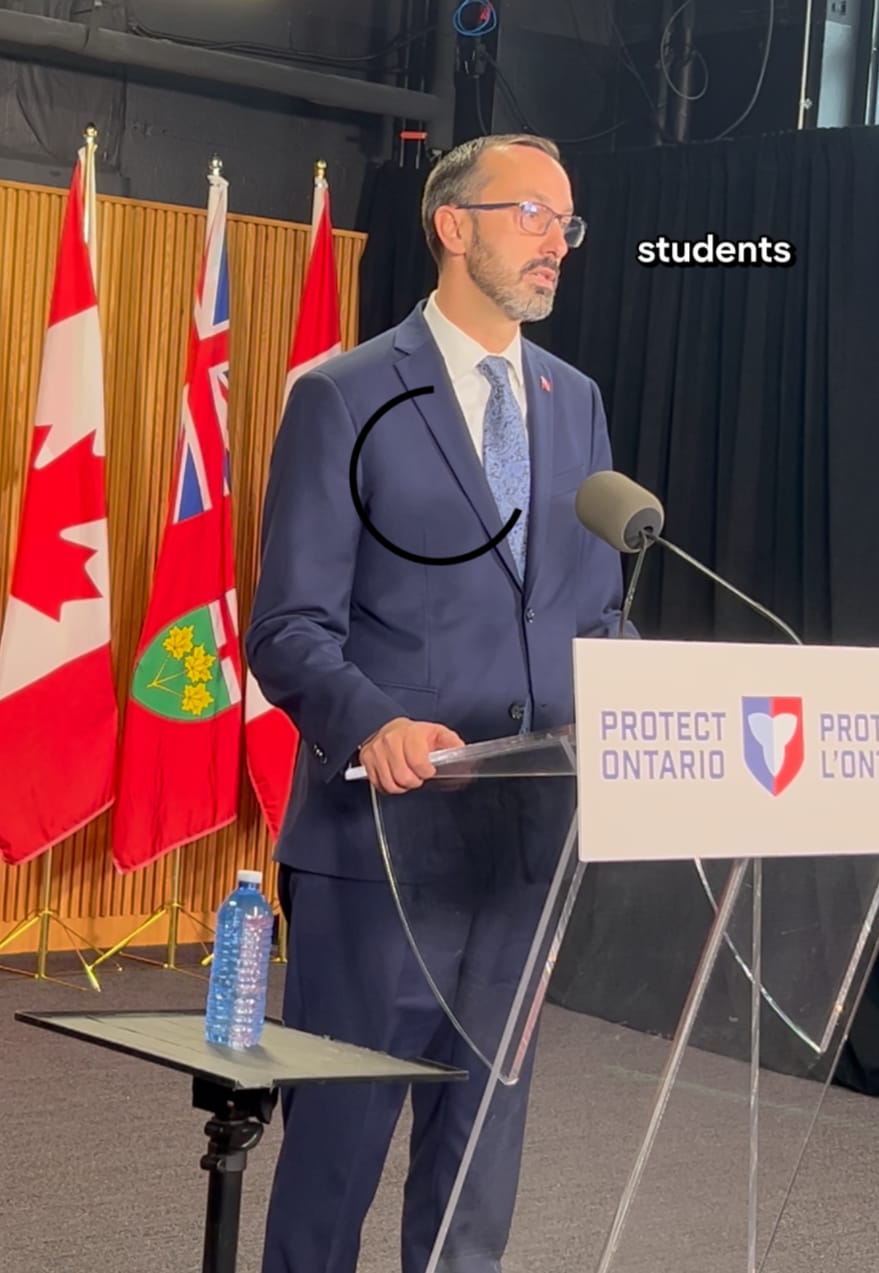
A sweeping scandal inside the Ontario Student Assistance Program, known as OSAP, has exposed hundreds of millions of dollars in questionable public spending, triggered a police investigation, and halted financial aid for thousands of students across Canada's most populous province.
In November 2026, Ontario Minister of Colleges and Universities Nolan Quinn announced that preliminary findings from a government-commissioned audit by accounting firm KPMG revealed widespread, coordinated abuses. Government inspections uncovered phantom course completions, shared computer addresses generating thousands of student aid applications, and colleges linked directly to immigration recruitment agencies. The provincial government responded by referring the evidence to the Ontario Provincial Police (OPP) and imposing a blanket funding freeze on private career colleges.
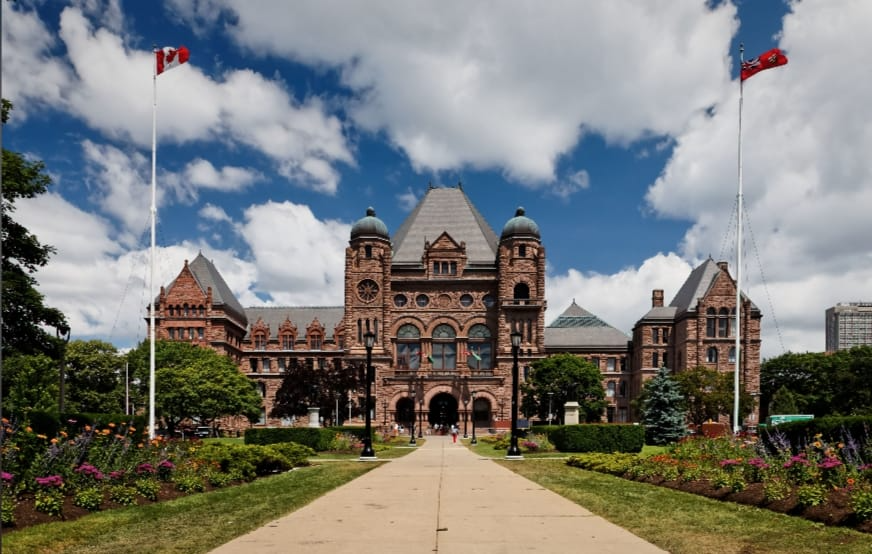
The resulting crisis has split public opinion and ignited fierce debate at Queen's Park, Ontario's provincial legislature. Private career college associations argue that rogue operators exploited systemic loopholes while legitimate training centres were left stranded without due process. Critics and opposition politicians counter that Premier Doug Ford's government ignored explicit warnings for nearly three years, allowing public funds to drain away before instituting a blunt freeze that punishes genuine learners. Assigning blame requires examining the actions of predatory college operators alongside the systemic neglect of the state regulators tasked with watching them.
Understanding the Ontario Student Assistance Program
The Ontario Student Assistance Program is an education funding scheme run by the provincial government alongside the federal government of Canada. It provides a mix of repayable student loans and non-repayable grants to low- and middle-income residents pursuing post-secondary education. For legitimate learners, these funds cover tuition fees, books, childcare, and basic living expenses.
Private career colleges, officially regulated under the Ontario Career Colleges Act, offer vocational training in fields such as healthcare, administrative support, information technology, and trades. Unlike publicly funded universities and community colleges, these are private businesses operating for profit. When students enrol in approved vocational programmes, the government deposits tuition directly with the college, while personal support funds go straight into the student's personal bank account.
Freedom of information records revealed that provincial OSAP grant spending jumped by more than $460 million after 2023. Private vocational colleges accounted for the bulk of that financial surge, creating strong financial incentives for unscrupulous operators to inflate enrolment figures.
The Mechanics of the Alleged Fraud
Ministry inspection reports filed in court outline a series of extraordinary irregularities across several private institutions. Rather than occasional administrative mistakes, investigators described structured systems designed to extract public money with minimal academic activity.
- Single IP Addresses: Investigators found thousands of separate financial aid applications submitted from identical computer internet protocol addresses, suggesting that recruitment agents or college staff filed paperwork on behalf of applicants rather than individual students applying independently.
- Accelerated Coursework: Audits documented instances where entire multi-week online modules were marked complete within 24 hours. In several cases, final examinations were completed in as little as six minutes.
- Phantom Students: Provincial inspectors who interviewed enrolled students reported finding individuals who did not know the name of the programme they were registered in, could not identify their teachers, or did not know what campus they supposedly attended.
- Immigration Recruiter Co-Location: Several private career colleges operated out of shared office spaces alongside third-party immigration and work-permit recruitment agencies, funnelling applicants into short programmes without checking whether the applicants met language or academic criteria.
In response to these findings, Minister Quinn stated that what investigators found were not minor administrative slips, but coordinated efforts to divert taxpayer money and exploit students for commercial gain.

The Case Against Private Career Colleges
The primary ethical and legal failure rests on the private operators who orchestrated or tolerated these schemes. Career colleges are registered businesses that sign formal declarations agreeing to follow strict academic and financial standards. Operating educational programmes requires verification of attendance, authentic identity checks, and honest reporting of student completion rates.
By delegating recruitment to third-party brokers and turning a blind eye to obvious cheating, bad actors inside the sector treated student aid as a risk-free revenue stream. Because tuition fees are guaranteed by the province once an application clears initial checks, predatory schools collected public funds while providing negligible instruction.
This conduct tarnished the reputation of the broader private career college sector. Honest institutions that have operated in Ontario for decades, training personal support workers, medical office assistants, and paralegals, are now facing financial ruin because bad actors treated the public purse as a commercial prize.
The Case Against the Ontario Government
While rogue college directors engineered the schemes, the government of Ontario allowed the vulnerability to persist. Government regulators possessed the data and the authority to halt the abuse years before calling in the provincial police.
Industry association Career Colleges Ontario confirmed that it warned the Ministry of Colleges and Universities as early as January 2023 about anomalous enrolment spikes and suspicious activity at a handful of institutions. Despite those warnings, the province allowed hundreds of millions of dollars in additional funding to flow unchecked for years.
Basic data oversight should have flagged red flags immediately. An automated administrative filter could easily detect hundreds of aid applications originating from a single IP address or flag a sudden tenfold jump in grant claims from a tiny suburban strip-mall college. Waiting until late 2026 to commission an external KPMG audit demonstrates an absence of active oversight by the Ministry.
The government's remedy has drawn severe criticism. By enacting an immediate, across-the-board OSAP freeze on private career colleges, the ministry penalised legitimate colleges and stranded innocent students who relied on promised funding for rent and food. Long-standing institutions, such as Computek College, which has operated in Ontario for 35 years, were forced to announce staff layoffs after their tuition revenues were suspended without distinction between compliant and non-compliant schools.
Comparative Responsibility: Government vs Private Sector
Both provincial regulators and private operators bear clear responsibility for the collapse in system integrity. The table below outlines how each party contributed to the crisis.
| Area of Assessment | Private Career College Sector | Government of Ontario (Ministry) |
|---|---|---|
| Primary Offence | Submitted false or unverified enrolments; exploited fast-track online courses; shared premises with immigration recruiters. | Ignored sector warnings; failed to install automated data flags; delayed formal inspections for years. |
| Financial Incentive | Direct receipt of tuition funds from inflated or fraudulent OSAP claims. | Maintained high headline post-secondary enrolment figures while avoiding direct public funding increases. |
| Warning Signals | Unusual volume of six-minute final exams and single-day course completions. | $460 million jump in grant disbursements; written alerts from industry bodies in early 2023. |
| Enforcement Action | Select colleges launched judicial reviews and denied wrongdoing, challenging funding cuts. | Enacted a blunt blanket freeze that damaged compliant colleges alongside rogue operators. |
| Accountability Deficit | Abused regulatory trust for profit; compromised student learning. | Refused to release the full KPMG audit report to the public, citing ongoing investigations. |
Collateral Damage: Students Caught in the Middle
The human cost of this institutional dispute falls on genuine students. Many learners at private career colleges come from working-class backgrounds, retraining after job losses, or seeking fast certification to support their families. When the province paused OSAP disbursements to private vocational institutions, it left students midway through their studies with unpaid tuition and zero funds for day-to-day survival.
In addition, the scandal has affected domestic and international workers alike. Third-party recruitment agencies frequently lured prospective learners with promises of easy qualifications and living stipends. In some cases, students who lacked financial literacy or fluent English were signed up for loans they did not understand, leaving them with legal debt obligations to the National Student Loans Service Centre while the recruiters and rogue colleges kept the money.
Proposed Legislative Changes and Long-Term Solutions
To repair the damage, the Ontario government announced proposed legislative reforms designed to tighten control over private vocational colleges. The planned statutory amendments include:
- Enrolment Caps: Introducing legal limits on the number of OSAP-eligible students that private institutions can recruit, preventing explosive year-over-year expansions.
- Ending Online-Only Aid: Disqualifying fully online programmes at private vocational colleges from receiving OSAP backing, requiring institutions to maintain functioning physical campuses.
- Separation from Recruiters: Banning direct partnerships and co-location arrangements between registered colleges and third-party immigration or marketing firms.
- Institutional Liability: Making private career colleges legally and financially liable for improper OSAP disbursements, allowing the Crown to recover misspent funds directly from institution owners.
- Verification requirements: Requiring colleges to provide proof of regular attendance and coursework progress before second-tranche financial aid instalments are released.
While these proposals establish clearer guardrails, they do not resolve the immediate financial hardship faced by law-abiding colleges and enrolled students who are unable to pay rent while the audit continues.
Conclusion
The OSAP funding scandal in Ontario is the result of private greed meeting state negligence. Rogue private career colleges and predatory recruiters committed the misconduct by generating phantom enrolments, completing coursework for applicants, and siphoning millions of public dollars meant for vulnerable learners. Yet the government of Ontario cannot evade culpability. Provincial regulators sat on explicit industry warnings for three years, oversaw an unchecked $460 million increase in student grant spending, and failed to apply routine digital auditing controls. The bad actors deserve severe legal and financial penalties, but the provincial government must also answer for administrative inaction that allowed a predictable scam to become a public disaster.
Sources
- Ontario Ministry of Colleges and Universities - Official Statements and Legislative Updates
- CBC News - Coverage of the OSAP audit and provincial police referral
- Global News - Reports on private college layoffs and the OSAP disbursement freeze
- Canadian Press reporting via CP24 - Court documents detailing single IP addresses and OSAP grant increases
- Career Colleges Ontario - Sector responses and ministerial communications
Disclaimer: This article reflects reporting and regulatory disclosures available in November 2026 and does not constitute formal legal or financial advice. Individuals experiencing student funding disputes should consult the Ministry of Colleges and Universities or an accredited legal professional.
Category: Education