Low birth rates were emptying public schools. ICE deportations are now making it worse
By CelebUD Newsroom —
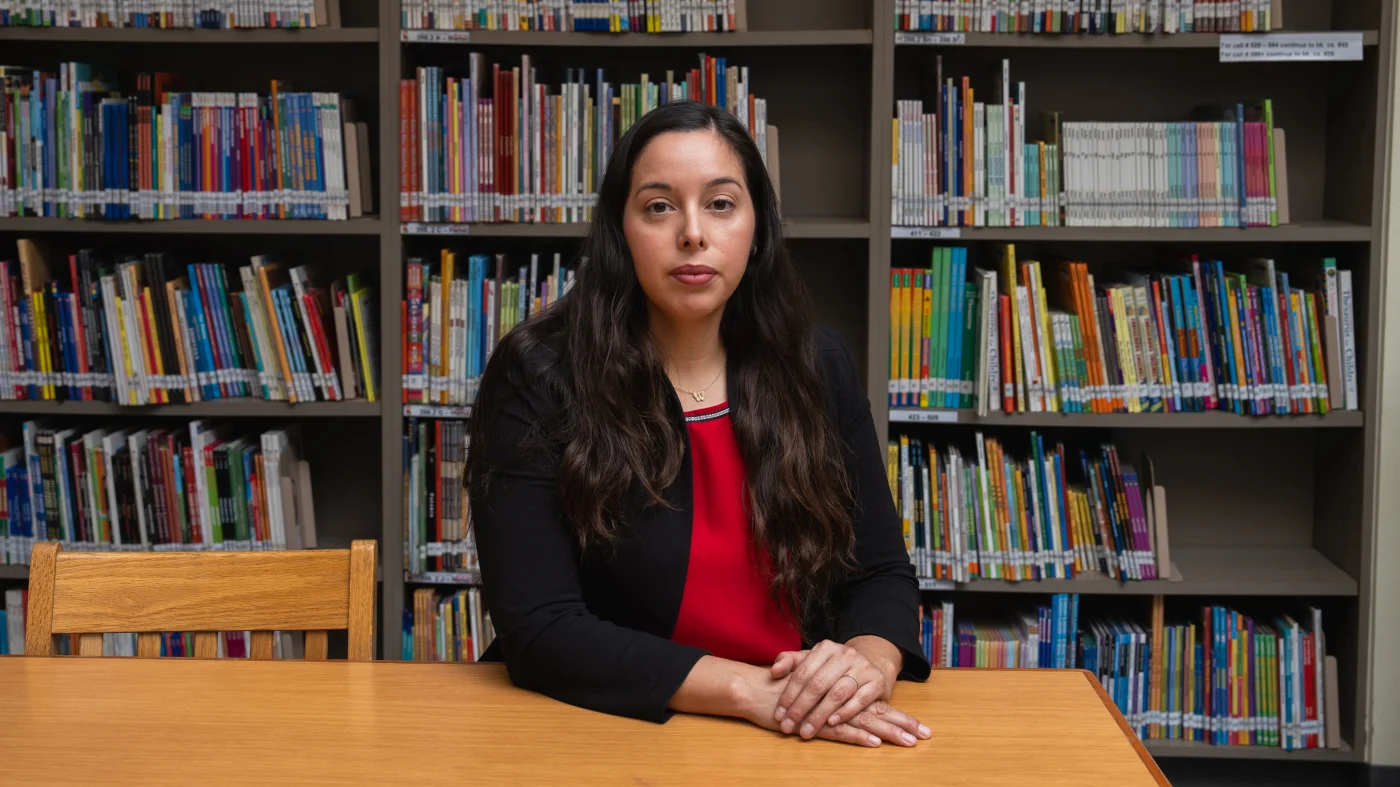
Classrooms across the United States are emptying at an unprecedented pace, driven by a rare combination of historically low birth rates and sweeping federal immigration enforcement. While public school systems have spent years navigating shrinking youth demographics, intensified deportation initiatives have drastically accelerated the decline, leaving major urban and suburban districts with little choice but to prepare widespread campus closures and absorb staggering budget shortfalls.
A Historic Double Squeeze: Demographic Shifts and Federal Raids
American school administrators have known for over a decade that a demographic cliff was approaching. According to data from the U.S. Census Bureau, the nationwide population of minors under the age of 18 decreased by approximately 2.1 million between 2010 and 2025. National public school rosters, which achieved a record peak in 2019, had already dropped by about 1.5 million pupils by the start of the 2024 academic year. Even prior to recent enforcement escalations, federal projections anticipated an additional drop of 2 million children by 2030, marking an estimated 7% overall shrinkage within roughly ten years.
However, the enforcement surge initiated during the second term of the Trump administration transformed a slow contraction into an immediate crisis. The Migration Policy Institute reported that up to 1.9 million individuals exited the country during the administration's initial 18 months. Simultaneously, federal authorities dismantled longstanding protocols that previously curbed Immigration and Customs Enforcement (ICE) operations in the vicinity of educational institutions. Consequently, researchers note that the nation is experiencing its first concurrent downturn in domestic birth rates and incoming immigration since the Great Depression era of the 1930s.
"The U.S. isn't alone in facing the challenges of demographic decline. To stop or slow immigration really exacerbates those problems. Communities are now confronting very painful decisions about closing schools."
— Thomas Dee, Stanford University Education Policy Economist
The Ground Zero of Campus Downsizing: Los Angeles
In the Los Angeles Unified School District (LAUSD), the second-largest educational jurisdiction in the country, the combined shocks are threatening the physical presence of neighbourhood schools. The system has seen its aggregate student body diminish by upward of 300,000 pupils across the past two decades due to prolonged declines in regional birth counts. When federal authorities loosened restrictions around schoolhouse areas, the local response was instantaneous.
"Birth rates here in Los Angeles County have been declining for decades, which means fewer children enrolled in our schools," noted longtime LAUSD school board trustee Kelly Gonez. "Many of our families immediately went into hiding. We were predicting a 2% drop in enrollment. It was double that."
With LAUSD recording consecutive years of 4% enrollment losses, the board introduced a formal assessment process in September designed to identify buildings and facilities for closure and consolidation. "When your district is roughly half the size of student population it was 20 years ago, it's hard to find a sustainable path to keep campuses open," Gonez acknowledged.
The fear reverberating through school corridors became literal in October 2025 during an armed ICE incident near the Santee Education Complex, a high school located in South Los Angeles. An officer discharged a firearm prior to the morning bell; while no educational staff or pupils were injured, an ICE official and an undocumented man of Mexican nationality sustained gunshot wounds. The fallout drastically depleted the campus.
Santee educator Guadalupe Cardona described arriving to discover more than 200 registered students missing on opening day. "We found that a lot of them were just [gone], no longer living where they had put their address down," Cardona remarked, adding that the sudden pupil deficit promptly cost the facility two teaching positions. Nearby shopkeeper Guadalupe Pineda, an area parent who obtained American citizenship after spending her youth undocumented, observed that the pervasive dread has diminished foot traffic and retail spending throughout the vicinity. Community members, she noted, remain deeply terrified of being torn from their dependents.
A Nationwide Pattern: State-by-State Toll
The operational disruptions generated by intense immigration policing extend far beyond Southern California. Economists monitoring community-level impacts have uncovered widespread patterns of attendance collapses and roster losses across key states.
| Region or State | Demographic or Policy Factor | Recorded Educational Impact |
|---|---|---|
| California (Central Valley) | Escalated regional ICE operations (2025) | Pupil daily truancy and absence rates jumped over 20% |
| California (Statewide) | Long-term birth rate drop & outward migration | Projected loss of 710,000 students over the coming decade |
| Texas | Statewide immigration pressures & demographic drop | Enrollment plunged by 76,000+, primarily Hispanic & immigrant youths |
| Florida (Miami-Dade & Broward) | Revocation of Temporary Protected Status for Haitian refugees | Combined single-year loss of roughly 30,000 public school students |
A joint analysis released in June by research organisations Bellwether and WestEd determined that systemic rollbacks in pupil counts are already restructuring public instruction infrastructure throughout 40 separate states. The institutions warned that the ongoing shrinkage will strip roughly $11 billion annually from public educational revenues, noting that institutional losses may permanently gut funding streams. Although post-pandemic trends and migration toward independent and home instruction contributed to earlier attrition, federal projections indicate that non-public private schools will also shed more than one million attendees by 2030 due to broad fertility constraints.
The Ripple Effect on Mixed-Status Families
The institutional fallout reaches well beyond non-citizen youths. Estimations published by the Brookings Institution suggest that up to 4.6 million school-age American youngsters—many holding birthright citizenship—share households with relatives subject to removal. When parental units are deported, native-born students often drop out of the system entirely.
Such was the experience of Vanessa Salazar, an 18-year-old native-born senior attending school in Los Angeles when her mother was captured and expelled to Mexico. Overwhelmed by the disruption of losing the pillar of her household, Salazar abandoned her secondary studies and relocated south across the international boundary to reside with her parent, questioning why she should remain in a country hostile to her family and cultural background.
Washington's Defense and the Policy Debate
The political divisions surrounding these developments reflect sharply contrasting views on the fundamental mission of migration oversight and school planning. In response to questions regarding the strains placed on academic institutions, White House spokeswoman Lauren Bis stated in an official communication that deportations "make American classrooms less crowded."
Administration representatives have consistently framed the decline as an intentional objective. Officials highlighted on social media that the aggregate foreign-born population residing in the country decreased by 2.9 million between January 2025 and July 2026, creating the first sustained phase of net-negative immigration in the United States since the 1930s. Current federal initiatives involve apprehending upwards of 50,000 individuals each month.
Organisations campaigning for stringent borders, such as the Federation for American Immigration Reform (FAIR), have dismissed concerns regarding shuttered facilities. FAIR representative Ira Mehlman maintained that district administrative hurdles should not steer border policy. "We don't guarantee the school system X number of kids," Mehlman argued. "That is not the job of our immigration system, that you're going to have X number of kids every single year and if you don't, we're going to go find some for you."
What schoolhouse enforcement means for undocumented parents in the US
For many Nigerian and African immigrant households in the United States, public schools were long considered neutral, safe ground. The removal of longstanding federal conventions that shielded educational zones transforms everyday routines—the morning school run, extracurricular pickups, or parent-teacher conferences—into high-stakes legal risks. When an enforcement encounter can occur near campus gates, fear inevitably forces parents to keep children home, disrupting years of carefully built educational momentum.
The strain falls heavily on mixed-status households where children hold American birthright citizenship while parents navigate backlogged asylum claims, disputed status, or pending renewals. When a breadwinner faces sudden detention or removal, families are pushed into agonizing decisions: uprooting citizen children to return to West Africa or Latin America, or leaving minors behind under emergency arrangements. Compounding this, campus closures and shrinking district budgets strip away the English-language supports and community liaisons that African diaspora children often depend on.
Takeaway: If you or family members in the US reside in a mixed-status home, ensure notarized emergency guardianship forms, educational power of attorney, and accessible copies of birth certificates are in the hands of a trusted legal resident.
Conclusion
Public school systems across the United States have crossed into an era of irreversible consolidation. Caught between generations of declining fertility and aggressive federal enforcement that deters both established residents and new arrivals, school boards from Los Angeles to South Florida are being forced to shutter campuses, reduce headcounts, and redesign budgets for a drastically smaller population. Even if current deportation strategies are ultimately altered, the dual realities of historic fertility lows and widespread family relocations ensure that the structural footprint of American public education will remain smaller and fundamentally transformed for decades to come.
Reporting based on coverage by NPR News.
Category: Education