Do you have seasonal affective disorder? How to tell — and what to do about it
By CelebUD Newsroom —
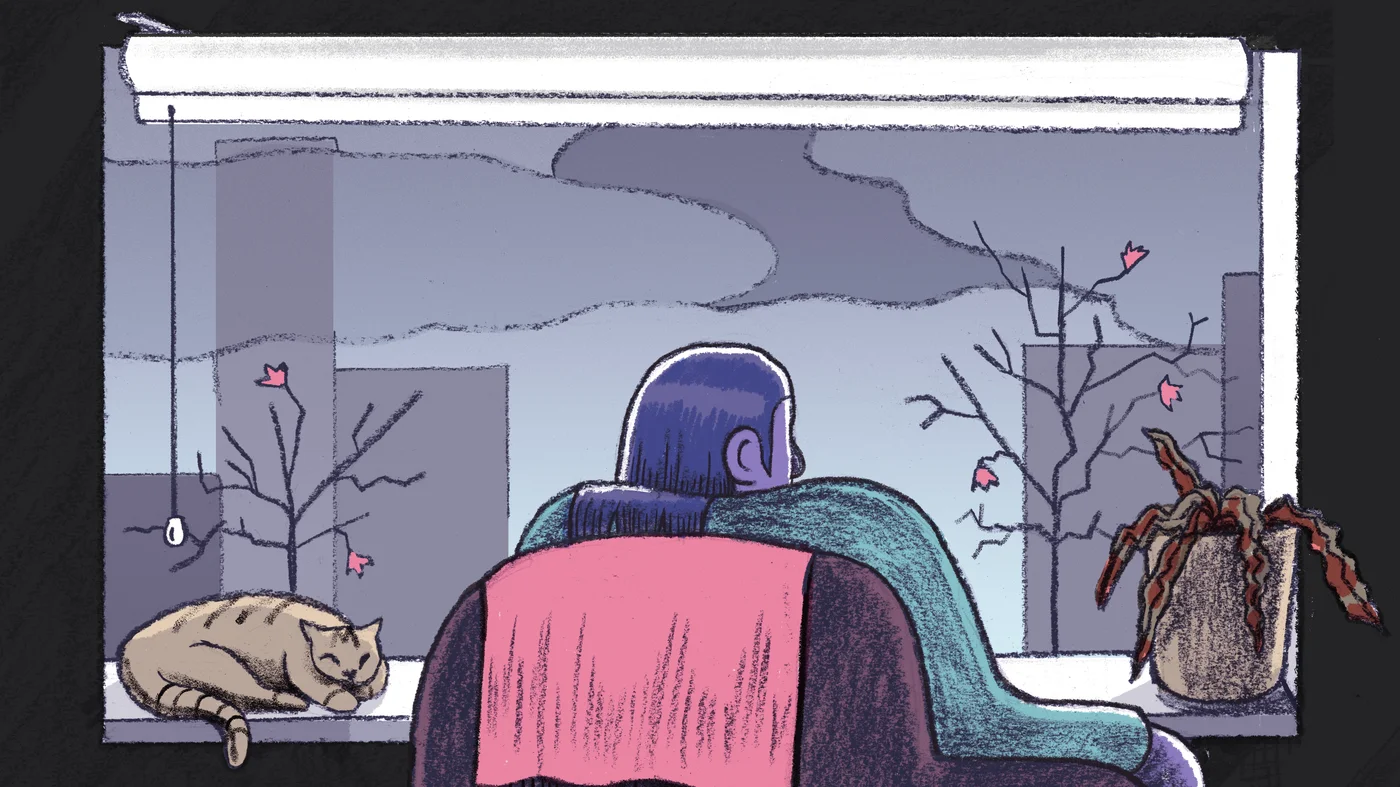
As autumn gives way to winter and daylight hours rapidly diminish across the Northern Hemisphere, millions of people notice a dramatic, unwelcome shift in their mood, energy levels, and daily productivity. What many casually dismiss as a passing bout of the winter blues can often be a clinical condition known as seasonal affective disorder (SAD). First identified and researched in the early 1980s, this recurrent form of depression alters biological clocks, drives intense carbohydrate cravings, and can derail personal and professional lives for months at a time.
The Discovery and Profile of Seasonal Depression
The formal identification of SAD traces back to South African psychiatrist Dr. Norman Rosenthal. After relocating to the United States in 1976, Rosenthal experienced a sharp downturn in his personal energy during the cold, overcast North American winter months. Recognizing that countless others experienced the same predictable decline, he began formal investigations into seasonal mood shifts. As Rosenthal observed:
"Just like the autumn leaves, they became depressed on schedule. In spring, the condition reverses itself."
In 1984, Rosenthal coined the term seasonal affective disorder and published pioneering research documenting the syndrome. According to data from the American Psychiatric Association, approximately 1 in 20 people in the United States experiences clinical SAD. The disorder is not fleeting; for those affected, symptoms generally persist for roughly 40 percent of the entire year, spanning late autumn through early spring.
Demographic data indicates that women are disproportionately impacted, facing about four times the risk of men. Furthermore, the condition appears far more frequently in higher northern latitudes, where winter days are notably shorter. While a broader segment of the population deals with a milder malaise commonly known as the winter blues—leaving them somewhat more lethargic or melancholy than normal—clinical SAD is significantly more disabling. Rosenthal noted that clinical patients are distinguished by their need for medical intervention: they seek physician care because the functional disruption becomes severe enough to interrupt daily existence.
Recognizing the Warning Signs: From Sluggishness to Hibernation
Identifying SAD can prove challenging because symptoms rarely arrive abruptly. Instead, they intensify gradually as the calendar advances. Rosenthal compares this progressive onset to the classic metaphor of a frog in water that is heated incrementally, failing to recognize impending danger until the situation becomes critical. A subtle feeling of fatigue in September can deepen into noticeable gloom by October and full-blown impairment by November.
A patient once described the feeling to Rosenthal as wanting to hibernate like a bear, a comparison the psychiatrist views as an accurate shorthand for the disorder. Common symptoms include:
- Persistent feelings of low mood, depression, or profound sluggishness.
- Excessive sleeping (hypersomnia) paired with an inability to feel rested.
- A loss of enthusiasm or pleasure in hobbies and social engagements that were previously enjoyable.
- Intense cravings for sweet foods, starches, and carbohydrates.
- Noticeable seasonal weight gain that often persists into summer, creating an escalating year-over-year accumulation.
The Biological Causes: Light, Genes, and Circadian Rhythms
Research indicates that seasonal affective disorder stems primarily from a combination of three key elements: a genetic vulnerability, severe environmental light deficiency, and psychological stress. The underlying physiology is closely tied to an individual's evolutionary need for natural sunlight.
Emily Manoogian, a clinical researcher based at the Salk Institute for Biological Studies, explains that individuals experiencing SAD frequently suffer from disruptions in their circadian rhythms—the intrinsic 24-hour internal clocks regulating biological systems. When morning sunlight diminishes, these internal clocks fall out of synchronization with the external environment, delaying wakefulness and throwing sleep-wake cycles into disarray.
Therapeutic Interventions: Light Boxes to Daily Habits
Because the deficit of natural illumination drives much of the pathology, light therapy remains the primary clinical intervention. Special SAD lamps deliver an illumination intensity of approximately 10,000 lux—drastically brighter than standard household lamps. This intense light acts on internal timing mechanisms via the eyes rather than the skin.
| Intervention Type | Recommended Practice | Mechanism & Purpose |
|---|---|---|
| 10,000-Lux Light Lamp | 20–30 minutes every morning; placed elevated so rays angle downward onto the retinas without staring directly into the bulbs. | Compensates for limited daylight, stimulating the retina to reset delayed circadian clocks. Positive results typically emerge within two weeks. |
| Outdoor Daylight Exposure | Daily walks outdoors, especially in the morning; trimming foliage around windows and cleaning glass panes at home. | Accesses natural ambient sunlight, which penetrates even heavy cloud cover and provides vital optic stimulation. |
| Time-Restricted Eating | Consuming all meals within a strict 10- to 12-hour window; stopping all food intake at least three hours before bed. | Treats food as a circadian cue. Manoogian notes that eating signals alertness to the body; halting food intake early allows proper overnight metabolic rest. |
| Morning or Daytime Exercise | Engaging in physical workouts during the active hours of the day. | Reinforces wakefulness cues in the brain, keeping internal rhythms synchronized and facilitating evening relaxation. |
| Stress Reduction & Environment | Reorganizing indoor spaces with cheerful hues, pursuing meditation, scheduling enjoyable activities, and seeking psychotherapy. | Alleviates the paralysis of feeling ineffective, mitigating the seasonal stress that compounds chemical depression. |
While scientific literature shows that using light boxes as a purely preventive measure yields mixed or inconclusive results, their efficacy as an active treatment for diagnosed SAD is well demonstrated. Rosenthal emphasizes that lamps should be angled downward to replicate the natural overhead angle of sunlight hitting the lower retina. If a patient experiences no noticeable relief after two weeks of consistent morning usage, Rosenthal advises returning the device.
Patients must also beware of behavioral traps. Cold temperatures and reduced energy often tempt individuals to hide beneath bed covers, shutting out what little ambient light exists. This withdrawal induces greater melancholy and deeper fatigue, generating a debilitating spiral. Overcoming the initial resistance to step outside into morning light or complete physical exercise can break that inertia.
Clinical Treatments and Medical Options
When environmental tweaks, strict eating windows, and phototherapy do not adequately resolve symptoms, clinical pathways remain vital. Seasonal affective disorder can severely disrupt employment and strain personal relationships. In these instances, medical practitioners frequently prescribe targeted antidepressant medications, which Rosenthal notes can be highly effective.
Managing SAD rarely entails an outright cure that permanently erases the condition. Instead, consistent management starves the disorder of its momentum. By aggressively deploying bright morning illumination, honoring circadian food cues, maintaining consistent routines, and seeking professional therapeutic help, sufferers can effectively disarm the condition.
Why diaspora families must stop dismissing winter depression as laziness
Within many Nigerian and broader African diaspora households, prolonged lethargy and emotional withdrawal are frequently misunderstood. Relatives and church communities often dismiss low mood or an inability to get out of bed with phrases like "you are just being lazy" or "count your blessings, you are abroad now." When depression is treated purely as a lack of willpower or a spiritual issue, those suffering often retreat into deeper isolation.
The clinical science behind SAD makes it clear that this condition stems from disrupted biological clocks and natural light starvation, lasting for up to 40 percent of the calendar year. Dismissing a family member’s winter struggle only deepens the functional disruption that can derail their work or studies. Understanding the physical reality allows households to replace criticism with practical help, such as placing bright daylight lamps in shared spaces, adjusting home lighting, and encouraging active morning routines.
Takeaway: Before writing off a partner or child’s winter withdrawal as bad attitude, ask yourself: have their sleep patterns, appetite, and energy visibly shifted since the daylight hours shrank?
Conclusion
Seasonal affective disorder is an established medical reality driven by biology, genetics, and shifting seasonal sunlight, rather than an imagined lack of willpower. Left unmanaged, its insidious progression can strip away months of productivity and wellbeing. By recognizing early signs each autumn, employing 10,000-lux morning phototherapy, aligning eating and workout routines to steady biological clocks, and seeking medical guidance when symptoms persist, individuals can regain control over their health long before the return of spring.
Reporting based on coverage by NPR News.
Category: Health