Campaign Rules for 2027: What Candidates Can and Can't Do Before Polling Day
By Gbenga Ayandare —
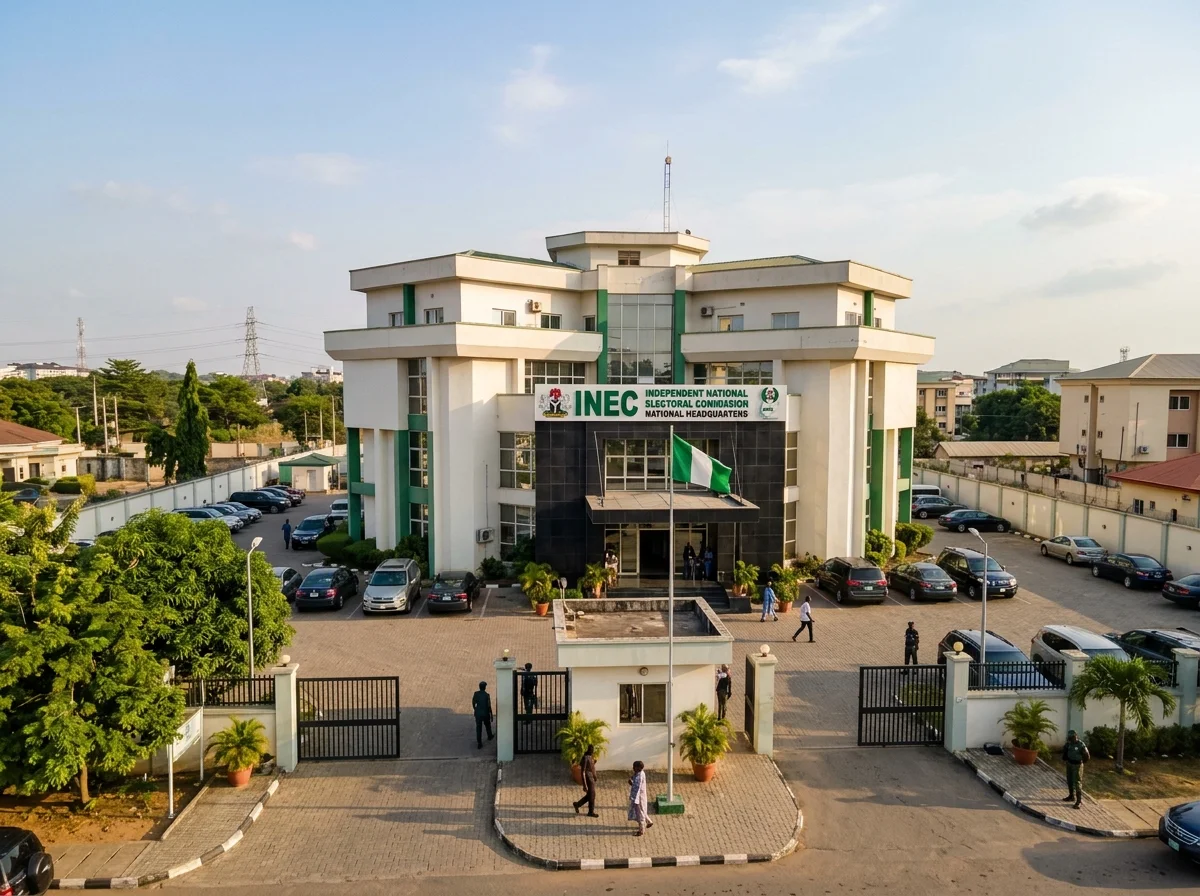
Nigeria's political parties and prospective contestants have already begun positioning themselves for the 2027 general elections. Ambitions are rising, alliances are shifting, and informal endorsements appear weekly across national newspapers and television networks. Yet every politician seeking elective office in Nigeria must operate within strict legal boundaries. The Electoral Act 2022 and guidelines issued by the Independent National Electoral Commission, commonly called INEC, govern everything from the exact date rallies may begin to how much cash a campaign can spend.
Disregarding these rules carries serious risks. Penalties range from heavy personal fines and prison terms to total disqualification from the ballot. For voters across Nigeria, as well as observers in the United Kingdom, the United States, and across the African diaspora, understanding these statutory boundaries provides a clear benchmark to assess political conduct before balloting starts.
The Official Campaign Window: 150 Days to Polling Day
Nigerian electoral law draws a firm line between informal political meetings and public electioneering. Under Section 94(1) of the Electoral Act 2022, the period of public campaigning by registered political parties starts 150 days before polling day and ends exactly 24 hours prior to voting. This five-month timeframe was designed by federal lawmakers to prevent endless election cycles that disrupt normal public governance.
Before INEC officially declares this statutory window open, aspirants and their political parties cannot hold public rallies, run television commercials, stage open processions, or display promotional billboards that urge voters to cast ballots for them. While politicians frequently attempt to sidestep this provision by styling early public gatherings as consultative visits or non-partisan charity drives, INEC has repeatedly cautioned that overt voter solicitation before the designated date constitutes an illegal premature campaign.
Equally rigid is the campaign blackout period. All public campaigning must cease 24 hours before polling units open on election day. During this final 24-hour window, candidates and their agents cannot broadcast political appeals, distribute flyers, stage street parades, or operate vehicles equipped with loudspeakers. The blackout gives voters a peaceful, unpressured atmosphere to weigh their decisions before casting their ballots.
Statutory Spending Limits and Donation Rules
The cost of running for office in Nigeria has soared over recent decades, prompting parliament to introduce updated campaign expenditure limits in the Electoral Act 2022. These statutory caps set the maximum total expenditure permitted for candidates across every tier of government, covering publicity, transport, venue hire, logistics, and personnel.
Under Section 88 of the Act, election expenses incurred by candidates must not exceed the following ceilings:
- Presidential candidate: 5,000,000,000 naira (approximately 2.5 million British pounds or 3.1 million US dollars).
- Governorship candidate: 1,000,000,000 naira.
- Senatorial candidate: 100,000,000 naira.
- House of Representatives candidate: 70,000,000 naira.
- State House of Assembly candidate: 30,000,000 naira.
- Area Council Chairmanship candidate (in the Federal Capital Territory): 30,000,000 naira.
- Area Council Councillorship candidate: 5,000,000 naira.
The law also restricts private political funding. Section 88(8) stipulates that no single individual or corporate body can donate more than 50,000,000 naira to any candidate. Candidates cannot accept donations from anonymous sources or foreign governments. Also, candidates must keep accurate accounting records of all contributions and disbursements. Within six months after the election, political parties must submit audited expenditure reports prepared by external auditors approved by INEC.
| Elective Office | Maximum Spending Limit | Maximum Individual Donation | Statutory Penalty for Spending Breach |
|---|---|---|---|
| President | N5,000,000,000 | N50,000,000 | 1% fine of spending limit (N50m) or up to 12 months in prison, or both |
| Governor | N1,000,000,000 | N50,000,000 | 1% fine of spending limit (N10m) or up to 12 months in prison, or both |
| Senate | N100,000,000 | N50,000,000 | 1% fine of spending limit (N1m) or up to 12 months in prison, or both |
| House of Representatives | N70,000,000 | N50,000,000 | 1% fine of spending limit (N700,000) or up to 12 months in prison, or both |
| State House of Assembly | N30,000,000 | N50,000,000 | 1% fine of spending limit (N300,000) or up to 12 months in prison, or both |
Banned Conduct During Campaign Periods
Beyond financial caps and calendar restrictions, the Electoral Act 2022 explicitly prohibits several specific campaign behaviours that undermine election integrity.
1. Vote Buying and Inducement
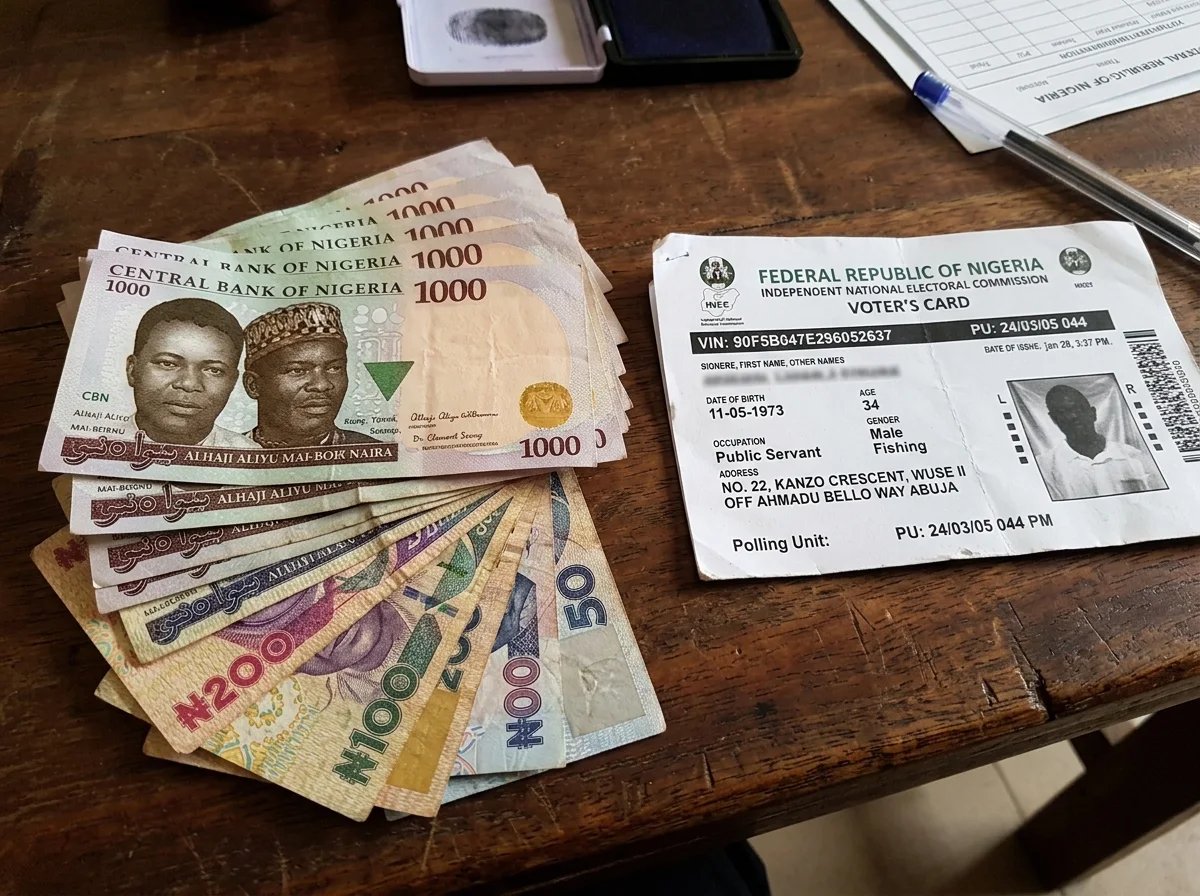
Section 121 forbids bribery and treating. A candidate, campaign worker, or party official cannot offer money, meat, drinks, gift parcels, clothing, or promises of public office to induce any citizen to vote, refrain from voting, or attend a political gathering. The ban applies equally to digital bank transfers, physical cash envelopes distributed at campaign rallies, and post-election bonuses promised for ward turnout. Accepting an inducement is likewise an offence under the law.
2. Hate Speech and Sectarian Appeals
Section 92 prohibits political messaging that exploits religious, ethnic, or tribal divisions. Candidates cannot base their appeals on sectional sentiments, nor can they use abusive, slanderous, or vulgar language calculated to provoke hatred or injure religious or ethnic sensibilities. Places designated for religious worship, such as churches and mosques, cannot be used for political rallies or candidate endorsements.
3. Misuse of State Resources and Media Bias
Incumbent public officials frequently seek to use their offices to their electoral advantage, but Section 95 expressly outlaws the use of state apparatus for partisan campaigning. Government-owned vehicles, public buildings, and state funds cannot be commandeered for partisan activities. State-owned television and radio stations must provide equal transmission time and identical advertising tariffs to all accredited political parties without censorship or commercial bias.
4. Thuggery, Arms, and Private Militias
Section 93 forbids political parties and candidates from hiring, training, or deploying private security guards, vigilante units, or armed squads to provide protection at campaign gatherings. Bringing firearms, cutlasses, sticks, or any offensive weapons to rallies is strictly forbidden under federal law.
How Citizens Can Report Campaign Violations
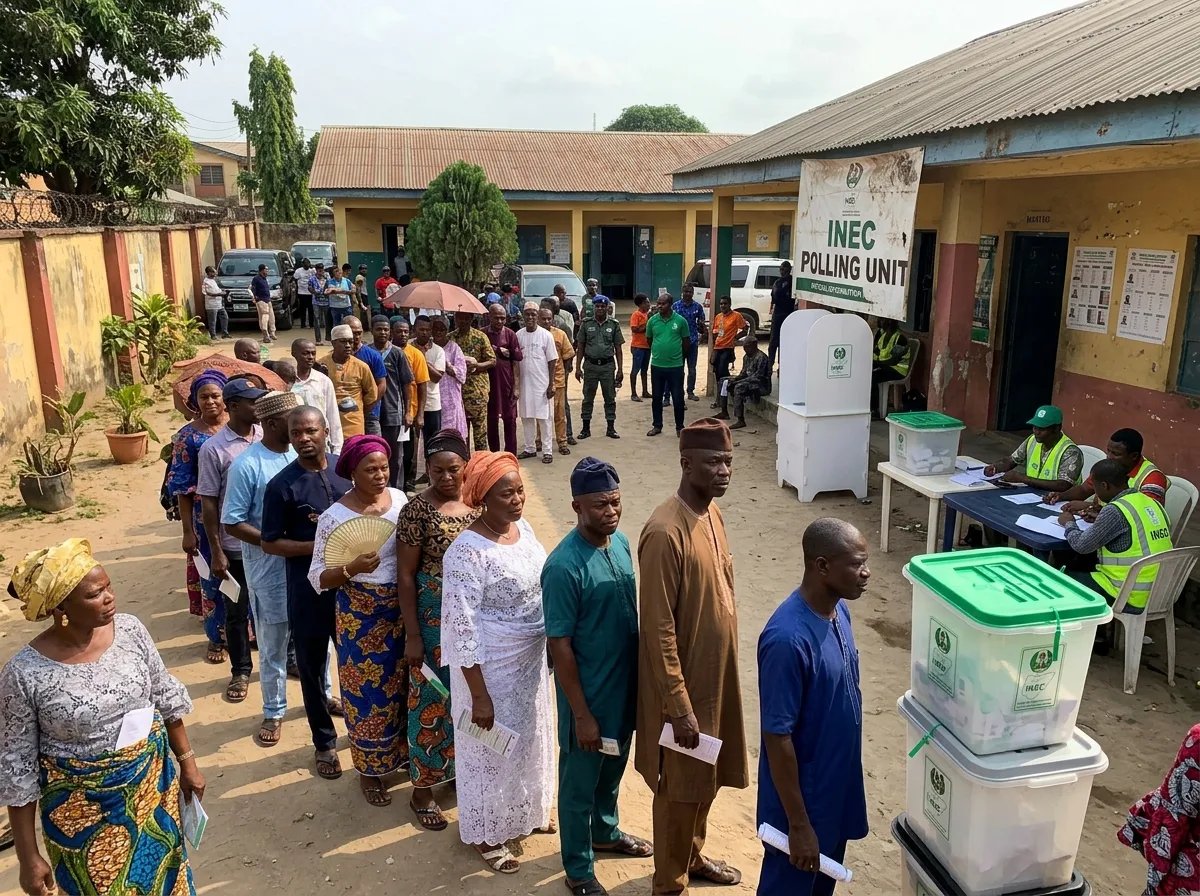
Detecting and checking campaign breaches requires vigilance from voters, civil society organisations, and opposing campaigns. INEC maintains several formal pathways to receive and process reports of illegal campaigning, financial violations, and illicit rally activities.
The primary reporting point is the INEC Citizen Contact Centre, accessible during workdays and throughout election periods by telephone on 0700-CALL-INEC (0700-2255-4632) and through the commission's verified online channels on X (formerly Twitter) at @inecnigeria. Written petitions concerning premature campaigns or prohibited conduct can be delivered directly to the Resident Electoral Commissioner at the INEC office in any of Nigeria's 36 states or the Federal Capital Territory, or sent to the headquarters at Plot 436 Zambezi Crescent, Maitama, Abuja.
Where violations involve financial crimes, vote buying, or public asset embezzlement, parallel complaints should be lodged with Nigeria's anti-corruption bodies. The Economic and Financial Crimes Commission, known as the EFCC, operates dedicated financial crime hotlines and deploys special task forces to monitor bank transfers and cash movements around campaign sites. The Independent Corrupt Practices and Other Related Offences Commission, known as the ICPC, likewise accepts intelligence on public servants or candidates abusing official assets for campaign gain. Reports involving armed thuggery or violent voter intimidation should be reported immediately to the Nigeria Police Force and the Inter-Agency Consultative Committee on Election Security.
Statutory Penalties and Judicial Consequences
Violating campaign regulations brings substantial legal consequences under Nigerian law. Section 94(2) provides that any political party holding rallies or running advertisements during the 24-hour blackout before polling day faces a fine of 500,000 naira upon conviction in court.
Candidates who knowingly exceed statutory campaign spending caps face prosecution under Section 88(9). If convicted, the candidate must pay a fine equal to one per cent of the permissible spending limit for that office or serve up to 12 months in prison, or face both punishments. Individuals who donate more than the statutory 50,000,000 naira limit face a fine of 500,000 naira, a prison term of nine months, or both under Section 88(10).
Accountants and auditors who falsify financial records, forge receipts, or assist a candidate in disguising the true value of donations face severe penalties under Section 88(11): a fine of 3,000,000 naira, three years in prison, or both. For vote buying and bribery under Section 121, offenders risk a fine of 500,000 naira, 12 months in prison, or both, alongside permanent disqualification from holding elective office if specified in the judgment.
Conclusion
The rules governing Nigeria's 2027 general elections establish clear boundaries for democratic competition, setting exact timelines for public rallies, firm ceilings on campaign spending, and strict bans on vote buying and ethnic rhetoric. While enforcement remains an active task for INEC, the anti-graft agencies, and the judicial system, these statutory requirements ensure that political office is pursued within a structured framework of legal accountability.
Sources
- Policy and Legal Advocacy Centre (PLAC) – Electoral Act 2022 Official Text
- Independent National Electoral Commission (INEC) Official Portal
- International Institute for Democracy and Electoral Assistance (International IDEA) – Political Finance Database
Disclaimer: This article outlines statutory provisions of Nigerian electoral law for informational purposes and does not constitute formal legal counsel. For specific legal guidance, consult a qualified Nigerian legal practitioner or refer directly to official INEC regulations.
Category: Politics