The True Cost of Holiday Digital Loans: Fuliza, App Credit and BNPL
By Matthew Ayandare —

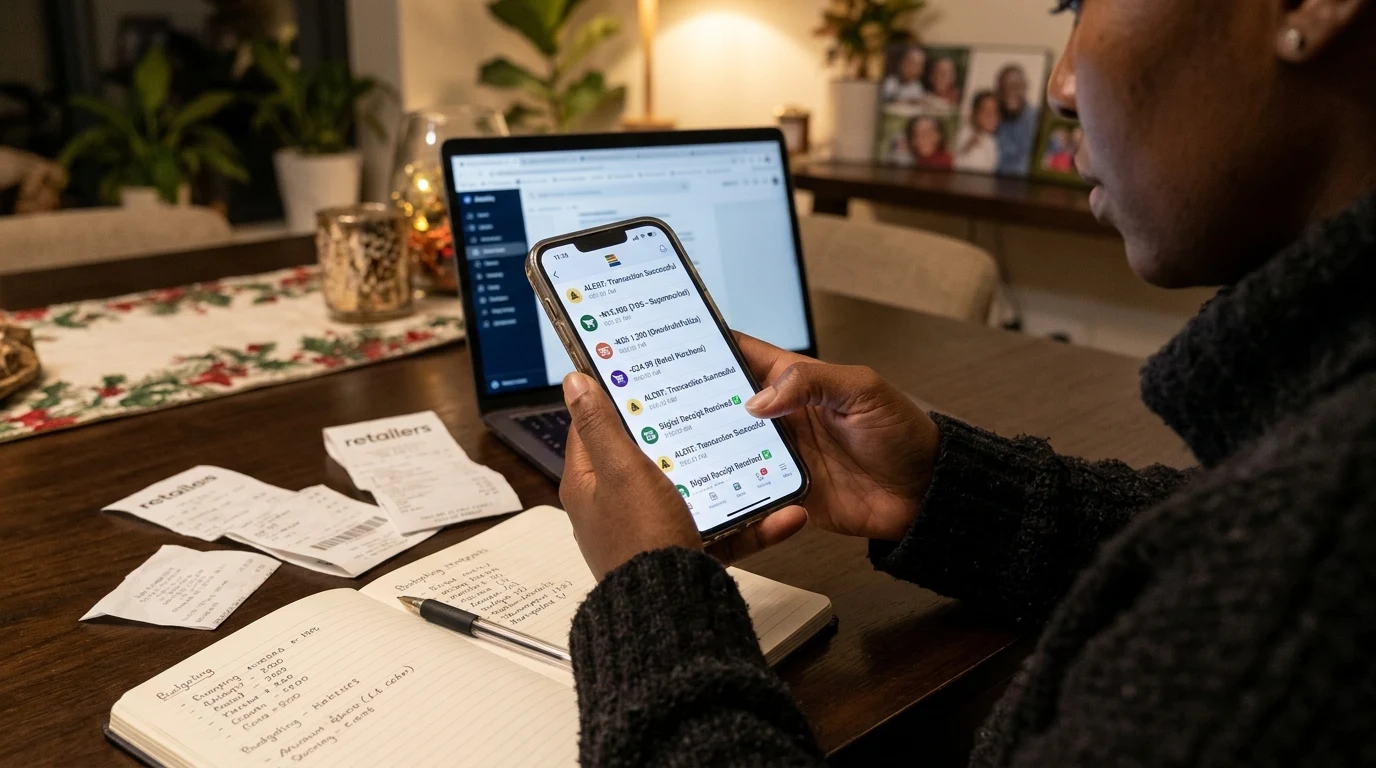
December spending creates intense pressure on household finances. Holiday travel, family gatherings, end-of-year school expenses and gift purchases arrive at the exact moment salary payments feel stretched. To bridge the gap, millions of borrowers turn to the fastest credit available: instant mobile overdrafts, smartphone lending applications and Buy-Now-Pay-Later (BNPL) checkouts. A loan arrives with two taps on a handset, often without paperwork or formal collateral.
Lenders present these services as small administrative conveniences. A fee of a few pennies, shillings or naira sounds harmless when viewed in isolation. Yet translating these short-term fees into an annual percentage rate (APR) reveals credit that costs far more than conventional bank borrowing, with charges routinely exceeding 100, 300 or even 800 per cent per year.
How Digital Lenders Frame Borrowing Costs
Credit providers avoid quoting annual interest rates because large percentages deter borrowers. Instead, they frame their charges through micro-pricing models designed to feel manageable.
In Kenya, Safaricom's M-Pesa overdraft facility, Fuliza, charges a daily administrative fee based on the borrowed bracket. A borrower who dips into an overdraft of 1,000 Kenyan shillings (KES) pays a fixed daily fee. Because the charge is described in small single-digit shillings per day rather than as an annual borrowing rate, users treat the facility as an extension of their cash balance rather than a short-term commercial advance.
In Nigeria, digital lending applications such as FairMoney, Carbon and dozens of unregistered quick-loan platforms charge flat fees for 14-day or 30-day loans. An app might offer 20,000 Nigerian naira (NGN) for two weeks, asking for 24,000 NGN in return. The four-thousand-naira difference is labelled a processing fee or service charge. To an applicant buying festive food, a 4,000 NGN fee feels reasonable for rapid access to cash.
In the United Kingdom, the United States and Canada, Buy-Now-Pay-Later services like Klarna, Clearpay and Afterpay divide online purchases into four equal, fortnightly instalments. Retailers promote these facilities at the checkout as zero-interest financing. If every instalment clears on time, the facility does not charge interest. When an instalment fails, however, default charges apply, or the debt passes to collection channels that turn an interest-free holiday impulse buy into a punitive obligation.
The Mathematics: Converting App Fees into Real Annual Interest
To understand the genuine price of quick credit, one must convert fixed charges and short durations into an annual percentage rate. Regulated financial institutions calculate APR by factoring in the borrowing fee, the principal sum and the length of the loan across a standard 365-day calendar.
Consider a borrower in Kenya using Fuliza for an overdraft of KES 1,000. Under the revised tariff structures, a daily maintenance fee of KES 6 applies. If the borrower remains overdrawn for 30 days, the accumulated fees reach KES 180, which is 18 per cent of the principal in a single month. Spread across a full year, an ongoing 18 per cent monthly rate compounds into an annual cost well above 200 per cent.
The numbers turn steeper with two-week salary advance apps in West Africa. If an applicant in Lagos borrows 50,000 NGN for 14 days and the lender deducts an upfront fee of 15 per cent (7,500 NGN), the borrower pays 15 per cent for two weeks of access. Because there are approximately 26 two-week periods in a year, simple annual interest equates to 390 per cent. Compounded across successive roll-overs, the effective annual rate climbs past 1,000 per cent.
In the UK, a £40 holiday outfit split into four payments carries no fee if paid on schedule. But missing two £10 payments can trigger fixed late fees of £6 each, adding £12 to the cost. That £12 fee on a remaining balance of £20 represents a 60 per cent cost over a few weeks, outstripping the annual rates on standard high-street credit cards.
| Product & Region | Stated Fee Structure | Typical Loan Term | Approximate Equivalent APR |
|---|---|---|---|
| M-Pesa Fuliza (Kenya) | Daily maintenance fee (KES 2.50 to KES 25+) | 1 to 30 days | 70% – 250% |
| 14-Day App Loan (Nigeria) | 15% to 25% flat fee | 14 days | 390% – 650% |
| Instant Payday App (South Africa) | Initiation fee + 5% monthly service charge | 30 days | 60% – 120% |
| BNPL with Late Fees (UK / Canada) | £0 / $0 interest; fixed £6 / $8 late charges | 6 to 8 weeks | 40% – 95% (if defaults occur) |
| Unlicensed Quick Loan (West Africa) | 30% flat monthly deduction | 30 days | 360% – 1,200% (compounded) |
The Hidden Impact on Credit Profiles
Beyond high finance charges, short-term digital credit can damage a borrower's formal credit standing. When cash is scarce in January, holiday loans are frequently the first obligations left unpaid.
In Kenya, the Central Bank of Kenya (CBK) requires digital credit providers to secure licences and follow reporting rules. While recent reforms restricted reporting for very small balances, defaults on larger sums land directly with licensed Credit Reference Bureaus (CRBs) such as Metropol and TransUnion Kenya. A negative listing stays on a profile for five years, preventing borrowers from securing mortgage financing or small-business capital.
In Nigeria, the Federal Competition and Consumer Protection Commission (FCCPC) has removed hundreds of unlicensed loan apps from digital storefronts for abusive collection tactics, such as sending defamatory messages to a borrower's phone contacts. However, legitimate operators submit repayment histories to private credit agencies like CRC Credit Bureau and FirstCentral Credit Bureau. Delinquencies recorded during the post-holiday period lower the applicant's credit score, raising borrowing costs across traditional banks for months to come.
In Britain, the Financial Conduct Authority (FCA) has brought BNPL transactions closer to standard credit reporting. Major agencies, including Experian and TransUnion UK, incorporate BNPL debts into individual records. Running multiple short-term instalments can signal financial distress to mortgage lenders reviewing bank statements during home purchase evaluations.
Practical Alternatives for Festive Spending
Managing the festive period without predatory financing requires separating genuine necessities from social expectations. Several lower-cost approaches offer breathing room when income falls short.
- Rotating Savings Clubs: Known as chamas in Kenya, esusu or ajo in Nigeria, and partner systems in the Caribbean, communal savings groups allow members to access pooled capital without interest charges. Tapping an accumulated savings pot avoids high-interest digital algorithms entirely.
- Authorised Bank Overdrafts: While standard overdrafts in the UK, Canada or South Africa still charge interest, their regulated annual rates (often 19 to 39 per cent) remain far lower than the three-figure annualised costs of digital micro-advances.
- Direct Salary Advance Programmes: Some employers offer emergency payroll advances with flat, nominal administrative charges capped by human resource policies, bypassing external commercial credit bureaus.
- Staggered Non-Digital Layaways: Arranging layaway schemes with physical retailers allows buyers to secure goods through structured cash instalments before collection, eliminating default interest altogether.
Conclusion
Quick loans, overdraft facilities and split payment plans provide temporary relief during holiday shopping, but their fee structures hide exceptionally steep borrowing costs. By translating single-digit daily charges and flat processing fees into standard annual rates, consumers can recognise that these facilities carry interest figures rivaling older forms of predatory lending. Protecting personal financial security into the new year requires scrutinising contract terms, resisting impulse checkouts and choosing community or regulated credit options over instant digital debt.
Sources
- Central Bank of Kenya (CBK) - Digital Credit Providers Regulations
- Federal Competition and Consumer Protection Commission (FCCPC) Nigeria - Registry of Digital Lending Apps
- Financial Conduct Authority (FCA) UK - Consumer Credit and BNPL Research
- Safaricom Kenya - Fuliza M-Pesa Overdraft Terms and Tariff Schedules
Disclaimer: This article is for informational purposes only and does not constitute individual financial advice. Readers should evaluate their personal circumstances and consult a licensed financial adviser before taking on new debt.
Category: Fin-Advisor