US Midterms: Abdul El-Sayed Makes History As First Muslim Elected To Senate, Defeats Trump-Backed Republican
By CelebUD Newsroom —
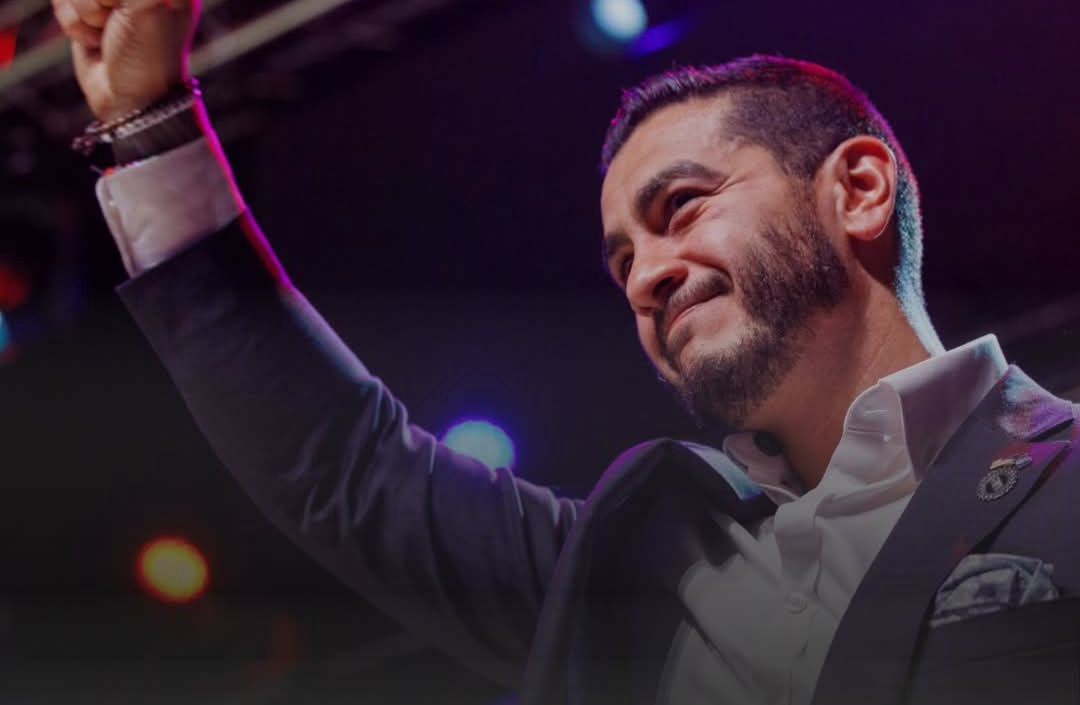
Democrat Abdul El-Sayed has secured a historic victory in Michigan’s United States Senate race, defeating Republican nominee Mike Rogers to become the first Muslim American ever elected to the upper chamber of the U.S. Congress. The 42-year-old physician and former public health leader overcame an intensely adversarial campaign that featured sustained personal attacks from top national Republicans, including former President Donald Trump and Vice President JD Vance. El-Sayed’s win allows Democrats to retain a crucial seat being vacated by retiring Senator Gary Peters, who has held the office since 2015.
A Landmark Senate Milestone
Addressing an enthusiastic crowd of supporters at the Michigan Democratic Party’s election-night event in Detroit, El-Sayed celebrated the barrier-breaking outcome with a direct message to voters:
“Michigan, we did it.”Reflecting on the tone of the contest, the senator-elect took direct aim at the rhetoric employed by Rogers and high-profile conservative surrogates who made his religion a focal point of their attacks.
“You chose hate, and Michigan chose hope,”he said. Coverage by The Wall Street Journal noted that El-Sayed condemned the campaign as one of the most vitriolic in modern American politics, pointing out repeated efforts by opponents to exploit his Islamic background and personal identity for electoral gain.
Born to Egyptian immigrant parents, El-Sayed built his career as an epidemiologist and physician before stepping into major administrative roles. He served as the executive director of the Detroit Health Department and later headed the Wayne County Department of Health. Although he first gained broad public prominence during an unsuccessful bid in the 2018 Michigan Democratic gubernatorial primary, his grassroots appeal endured. In the 2026 Democratic Senate primary, El-Sayed staged an upset by defeating Representative Haley Stevens, who had entered the race backed by substantial portions of the party establishment.
Overview of the 2026 Michigan Senate Race
| Candidate | Party | Key Endorsements & Backing | Prior Background |
|---|---|---|---|
| Abdul El-Sayed | Democrat | Sen. Bernie Sanders, Rep. Alexandria Ocasio-Cortez, progressive grassroots | Physician, Director of Wayne County & Detroit Health Departments |
| Mike Rogers | Republican | Donald Trump, JD Vance, National Republican Leadership | Former U.S. Representative, former FBI Special Agent |
A Fierce Clashing of Agendas and Rhetoric
The general election pitted two sharply contrasting visions against one another. Mike Rogers, an ex-FBI agent and former congressman, ran with full backing from Donald Trump and the national Republican apparatus. Throughout the cycle, conservative figures directed sharp ideological and personal criticisms at El-Sayed. Trump frequently assailed the Democrat at rallies, going so far as to reference the September 11 terrorist attacks, alleging without substantiation that El-Sayed backed extremists, and suggesting he should face extra metal-detector screenings before being permitted inside the Senate chamber. Texas Senator Ted Cruz levied allegations claiming ties between El-Sayed and the Muslim Brotherhood, an accusation El-Sayed categorically denied.
Tensions reached a fever pitch during the campaign's closing stretch. Vice President JD Vance labeled El-Sayed a “weasel,” argued he was “very, very evil,” and accused him of prioritising personal grievances over Michigan’s working families. El-Sayed fired back forcefully. During an October 28 appearance on the program Hasan Minhaj Doesn't Know, the Democratic nominee leveled candid assessments at both Republican leaders. Describing Trump, El-Sayed said plainly:
“Donald Trump is an idiot.”While acknowledging Trump’s uncanny ability to draw cameras, he attributed that trait to an appetite for attention and a reliance on intimidation tactics.
Turning his focus to Vance, El-Sayed offered an equally scathing rebuke:
“JD Vance is a smart person, but he has no actual soul, and he has no actual charisma.”He asserted that the Vice President's political career was defined by opportunism, stating Vance’s strategy was to
“suck up to the strongest person in the room to do their bidding.”When responding to the claim that his political worldview was evil, El-Sayed maintained that the real offense was “taking healthcare away from working people to provide tax cuts for billionaires, making families pay more for groceries and fuel, and dividing Americans for political gain.”
Progressive Policies, Foreign Affairs, and Campaign Battles
Throughout the contest, El-Sayed sought to anchor his messaging on working-class economic relief, soaring household costs, and systemic healthcare reform. Endorsed by national progressive leaders including Senator Bernie Sanders and Representative Alexandria Ocasio-Cortez, El-Sayed campaigned on establishing Medicare for All to provide universal healthcare access. His platform also placed heavy emphasis on curtailing the political influence of wealthy campaign donors and private corporate interests through aggressive campaign finance reform.
Foreign policy and outside spending proved to be equally defining themes during both the primary and general elections. El-Sayed maintained an outspoken stance on the Middle East, opposing U.S. military assistance to Israel and openly characterizing the military offensive in Gaza as a genocide. These positions drew sharp rebukes from pro-Israel groups and traditional establishment Democrats. The political network linked to the American Israel Public Affairs Committee (AIPAC) spent extensively in an effort to thwart his primary candidacy. El-Sayed met those spending blitzes head-on, transforming corporate and political action committee expenditures into a core issue of his campaign.
What this means for minority families facing rising political polarization
The Michigan Senate race laid bare the sharp rhetoric that often surrounds immigrant and Muslim communities in Western politics. From questioning loyalty to making direct references to past terror attacks, El-Sayed’s opponents leaned heavily on personal identity. For African families living in both the U.S. and border-adjacent Canadian cities like Windsor and Toronto, this tone is an uncomfortable reality of modern political life.
However, the outcome in a critical industrial state reveals that voters ultimately responded to proposals on grocery costs, fuel prices, and working-class economic relief rather than identity-based division. It serves as a reminder that immigrant communities do not need to retreat into isolation when political tensions rise; instead, collective organizing and civic engagement remain effective shields.
Takeaway: As election cycles intensify across North America, how actively is your local diaspora association or religious community engaging with policy debates that affect your civil standing?
Conclusion
Abdul El-Sayed’s election to the United States Senate marks a watershed moment in American legislative history. By winning the seat vacated by Gary Peters, the 42-year-old doctor has dismantled a longstanding ceiling for Muslim Americans while providing Democrats with an essential victory in one of the country's most fiercely contested battlegrounds. When he takes the oath of office, El-Sayed will bring an unapologetically progressive, public-health-focused agenda into the halls of Congress, navigating the same deep national divisions that defined his historic race.
Reporting based on coverage by The Will Nigeria.
Category: Politics