The pressure to change your face - podcast
By CelebUD Newsroom —
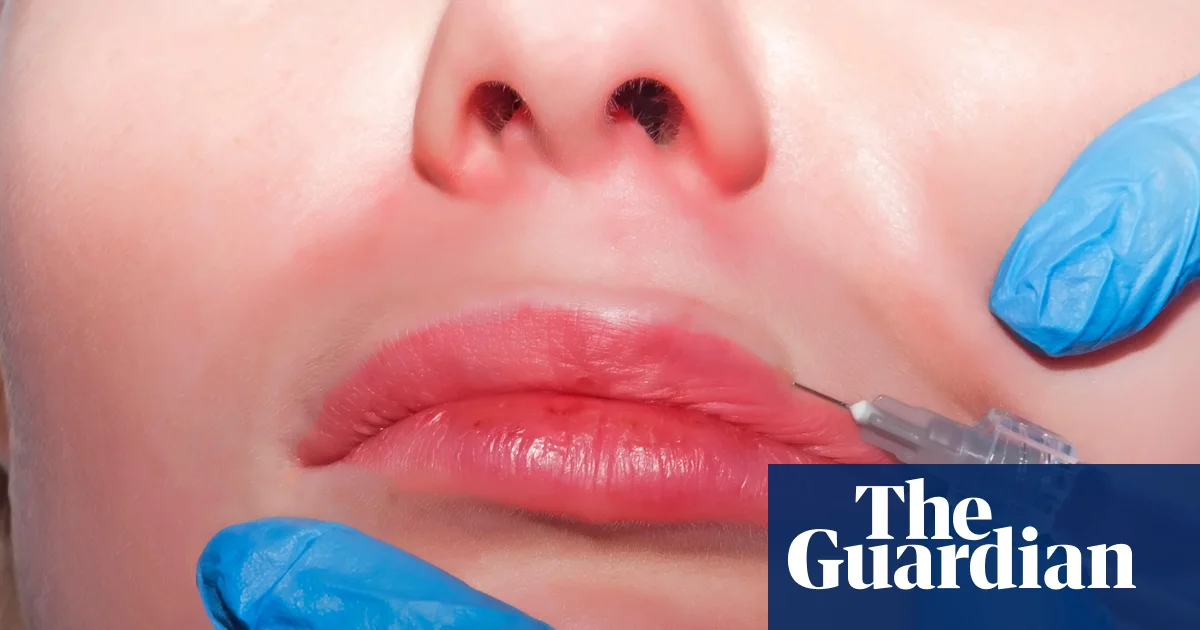
The boundary between everyday skincare and surgical intervention is vanishing, creating a cultural landscape where altering one's face is increasingly treated as routine self-care. In a discussion exploring the rapid rise of minor cosmetic modifications and surgical enhancements, Guardian US beauty columnist Jessica DeFino and host Helen Pidd examined the forces driving the global appetite for cosmetic procedures. Central to their analysis is a concept DeFino terms "aesthetic inflation"—a compounding shift in societal standards where minor "tweakments" and major operations lower the barrier to cosmetic entry while simultaneously heightening pressure on those who choose to remain unenhanced.
Understanding 'Aesthetic Inflation' and the Tweakment Boom
The term aesthetic inflation captures how the beauty baseline continuously shifts upward as cosmetic interventions become cheaper, less invasive, and more visible. According to DeFino, the proliferation of minor non-surgical enhancements—often marketed as harmless tweakments—has fundamentally changed what society views as a normal human face. As procedures like cosmetic injectables become commonplace, the visual standard for acceptable aging and appearance rises, making unenhanced faces appear increasingly neglected by comparison.
Several economic and cultural factors have accelerated this dynamic:
- Democratized Access: Financial options like flexible payment plans, alongside lower procedure costs and reduced recovery times, have significantly lowered the barrier for entry.
- Celebrity Transparency: High-profile public figures openly sharing their cosmetic journey have helped destigmatize procedures, offering blueprints for fans looking to replicate A-list features.
- Digital and Social Pressure: High-definition video calls, selfie cameras, and social media filters have heightened appearance-related anxiety, leading younger demographics to seek preventive cosmetic work.
As a consequence, women at increasingly younger ages are seeking cosmetic modifications. Interventions once reserved for older demographics seeking to reverse signs of aging are now being marketed to patients in their teens and twenties under the guise of pre-juvenation or preventative care.
From Botox to Blepharoplasties: What the Procedures Entail
The discussion between Pidd and DeFino highlighted a broad spectrum of cosmetic choices ranging from temporary, non-surgical adjustments to permanent anatomical modifications. Among the most widely discussed interventions are:
- Botox: Botulinum toxin injections designed to temporarily relax facial muscles, smoothing out dynamic wrinkles such as crow's feet and forehead lines.
- Tip Stitches: Targeted, minimally invasive rhinoplasty techniques where surgeons place internal sutures to refine or lift the tip of the nose without undergoing a full nasal reconstruction.
- Blepharoplasties: Surgical procedures performed on the upper or lower eyelids to remove or reposition excess skin and fat, creating a wider, more youthful eye appearance.
The distinction between minor tweakments and major surgeries has grown blurry, with many minor procedures serving as gateways to more invasive operations over time.
| Procedure Category | Common Examples | Invasiveness Level | Key Demographic Drivers |
|---|---|---|---|
| Injectable Tweakments | Botox, Hyaluronic Acid Dermal Fillers | Non-Surgical / Minimal | Younger adults seeking preventive anti-aging and facial contouring |
| Targeted Micro-Surgeries | Tip Stitches, Buccal Fat Removal | Minimally Invasive | Individuals influenced by social media trends and precise facial aesthetics |
| Full Surgical Interventions | Blepharoplasties, Facelifts, Rhinoplasty | Surgical / Permanent | Broader age range seeking dramatic, long-lasting physical modifications |
Navigating Modern Beauty Culture Without Judgment
A central question posed by Helen Pidd during the exchange was how individuals can navigate this evolving beauty landscape: specifically, how society can resist the cultural pull of cosmetic surgery without passing judgment on those who decide to undergo procedures. As cosmetic enhancements become widespread, individuals who choose not to participate often feel alienated, while those who do engage face potential scrutiny or risk falling into an endless cycle of body modification.
DeFino emphasizes that addressing aesthetic inflation requires recognizing beauty culture as an external system rather than an isolated personal choice. When cosmetic work is reframed as a structural pressure fueled by commercial interests and digital media, it becomes easier to separate individual choices from systemic critiques. Crucially, fostering empathy toward those who opt for cosmetic enhancements while resisting the urge to conform oneself offers a path forward in an increasingly appearance-obsessed world.
Conclusion
The rise of aesthetic inflation presents a complex cultural challenge where minor tweakments and major surgical options constantly reset societal standards of physical appearance. As procedures like Botox, tip stitches, and blepharoplasties become normalized among younger populations, understanding the commercial and psychological drivers behind them is crucial. Resisting the pressure to modify one's face—while refraining from judging those who choose to do so—requires acknowledging that cosmetic expectations are culturally constructed rather than natural obligations.
Reporting based on coverage by The Guardian Lifestyle.
Category: Health