Why the Naira Often Weakens in December, and Why This Year May Differ
By Bola Eboh —

For decades, the final weeks of the calendar year have brought predictable turbulence to Nigeria's currency markets. Traders along Broad Street in Lagos, bureaux de change operators in Abuja, and import finance desks across the banking system prepare for an annual surge in foreign currency demand. The Nigerian naira frequently loses ground against the United States dollar, the British pound, and the euro between late October and mid-December. This pattern disrupts commercial budgets, raises shelf prices for imported food, and leaves families planning international travel or overseas tuition payments facing steep exchange costs.
Yet the market dynamics heading into this December present clear structural shifts. The combination of tighter monetary policy, an overhauled foreign exchange trading architecture, reduced domestic demand for fuel import dollars, and stronger gross external reserves has altered how currency dealers price risk. Understanding why the naira historically buckles at year-end provides a clear benchmark for judging how unusual this December could prove to be.
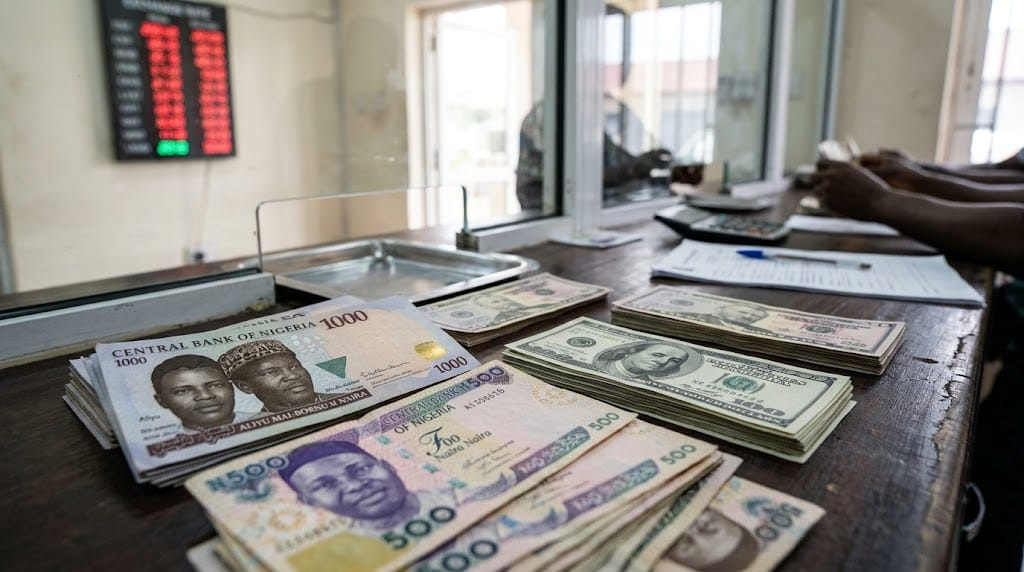
The Anatomy of the Year-End Dollar Rush
The historical weakening of the naira in December stems from a convergence of commercial, personal, and corporate pressures that peak simultaneously. Nigeria relies heavily on imported merchandise for finished consumer retail, pharmaceutical products, industrial packaging, and apparel. Importers begin placing orders and establishing letters of credit several months ahead to ensure container shipments arrive at Lagos ports before Christmas. When those import bills mature in the fourth quarter, commercial banks face a concentrated spike in hard-currency requirements.
Corporate financial obligations intensify this pressure. Multinationals and foreign institutional investors operating in Nigeria typically prepare to close their books at the end of December. Companies seeking to remit dividends to overseas parent firms or repatriate quarterly earnings submit substantial exchange applications. Corporate treasurers often prefer to settle vendor payables and hedge against potential first-quarter currency drops, buying dollars in November and early December even when rates are elevated.
Retail demand compounds the institutional outflow. December marks peak season for private international travel, medical trips, and preparations for foreign academic terms that start in January. Families whose children study in the United Kingdom, Canada, and the United States begin acquiring foreign currency weeks in advance to cover tuition and accommodation deposits. In the parallel market, where travellers turn when official bank processing times stall, retail demand for physical cash notes frequently drives a sharp wedge between the official rate and street quotations.
The Detty December Inflow Counterweight
Against this wall of demand stands a unique supply counterweight: diaspora remittances. The festive season in Nigeria, widely known as "Detty December," draws tens of thousands of Nigerians living in the diaspora back home for concerts, weddings, and family visits. Relatives who remain abroad also send cash to support festive expenditures.
In past years, this influx created an uneven market impact. While foreign visitors introduced tens of millions of dollars in cash and electronic transfers, the supply arrived late in the month—often after 15 December. By that point, major commercial importers had already paid premium prices to secure their inventory.
A significant portion of diaspora money historically avoided formal banking channels. Informal peer-to-peer channels and unlicenced money transmitters absorbed much of the retail cash, funding parallel market trades instead of official interbank liquidity. The resulting liquidity injection offered brief relief to street traders, but it failed to stabilise commercial import trade or replenish the reserves of the Central Bank of Nigeria (CBN).
Comparing Year-End Market Pressures
The operational framework governing Nigeria's foreign exchange market has changed substantially compared with past years. The structural differences between past seasons and the current environment shape how liquidity moves through the economy.
| Market Driver | Past December Patterns | Current Market Mechanics |
|---|---|---|
| Fuel Import Dollar Demand | NNPC and oil marketers demanded billions in foreign currency each month to import petrol and diesel. | Domestic refining through the Dangote refinery and local plants reduces direct import dollar demands. |
| Exchange Rate Structure | Segmented official windows with wide parallel market premiums encouraged round-tripping and hoarding. | The Electronic Foreign Exchange Matching System (EFEMS) sets transparent pricing and narrows the premium. |
| Monetary Policy Stance | Artificially low domestic rates made borrowing cheap, encouraging dollar speculation. | Aggressive interest rate hikes keep the benchmark rate above 27 per cent, making holding naira profitable. |
| Central Bank Reserves | Depleted gross reserves were encumbered by uncleared FX forwards and verified debt backlogs. | Clearance of verified foreign exchange backlogs and improved reserve buffers provide genuine market support. |
| Remittance Routing | Remittances primarily flowed into informal networks or were settled through parallel street trades. | Licenced international money operators route inflows through formal accounts at market-reflective rates. |
Why This Year Presents a Different Trajectory
Several fundamental economic shifts suggest that the standard December depreciation may not follow its usual trajectory this year.
The primary difference lies in the trade balance for refined petroleum products. Historically, the state oil firm and private marketers spent up to 30 to 40 per cent of Nigeria's total foreign exchange earnings importing petrol, diesel, and aviation fuel. The commercial operation of domestic refineries, notably the Dangote Petroleum Refinery, has reduced the need for the central bank to release massive pools of foreign currency for fuel vessels arriving at coastal ports. Paying for crude and refined products domestically eases the single largest drain on systemic liquidity.
The operational framework of the Central Bank of Nigeria under Governor Olayemi Cardoso represents another shift. The CBN moved to clear billions of dollars in validated foreign exchange backlogs that had previously choked foreign investor sentiment. By clearing overdue commitments owed to international airlines, domestic banks, and manufacturing firms, the monetary authority restored a measure of confidence among foreign portfolio investors.
The introduction of the Electronic Foreign Exchange Matching System (EFEMS) in the interbank market has limited the ability of currency dealers to artificially bid up rates. EFEMS requires trades to be matched electronically and anonymously based on confirmed orders, limiting the speculative spreads that dealers historically extracted in late November and December. Data published by the central bank shows that official and parallel market rates have moved into a narrower band than seen in previous election and post-devaluation cycles.
High domestic interest rates have altered investment calculations. With the Monetary Policy Committee keeping the benchmark rate high to battle inflation, returns on Nigerian Treasury bills and Open Market Operations (OMO) bills offer attractive yields to local institutions and offshore hedge funds. Investors face a real incentive to keep capital in naira-denominated securities rather than borrowing cheap naira to hoard dollars on currency desks.
Remaining Pressure Points
These structural improvements do not guarantee absolute stability. Nigeria remains exposed to underlying vulnerabilities that could test the naira before the year closes.
Annual inflation remains high, eroding the purchasing power of families and keeping corporate input costs heavy. Domestic food prices and logistics expenses require businesses to spend more cash simply to maintain previous volume levels. When businesses require higher operational funds, their underlying foreign currency requirements for parts and raw materials remain high even if consumer demand softens.
Global commodity movements present a continuous risk. Nigeria depends on crude oil exports for the bulk of its government revenue and foreign reserves. Fluctuations in international crude benchmarks or disruptions in domestic production volumes limit the central bank's ability to intervene aggressively in the market if seasonal demand spikes sharply. The federal government must also service its external bilateral and multilateral debt obligations, which require consistent foreign exchange allocations regardless of seasonal market conditions.
Implications for Businesses and Households
For import-dependent companies in Nigeria, this changing environment requires disciplined cash flow planning. Importers who delayed their orders in anticipation of cheaper dollars may find that while runaway depreciation is less probable, the seasonal rise in retail demand still creates temporary friction in executing large tickets. Managing foreign supplier credit terms and matching them to verifiable bank delivery dates remains sound practice.
For individuals sending remittances from the United Kingdom, Canada, or the United States, official banking channels now offer exchange rates that closely mirror street rates, reducing the incentive to use unlicenced middlemen. For households in Nigeria planning for January tuition and travel, settling tuition commitments directly through official documentation channels avoids paying excessive retail premiums on cash notes in the open market.
Conclusion
The seasonal weakening of the naira in December has long been treated as an inevitable feature of the Nigerian economic calendar. Commercial restocking, multinational profit transfers, and holiday travel have routinely overpowered systemic liquidity. This year, that historical rhythm faces significant resistance. Domestic fuel refining, genuine foreign exchange market matching, disciplined interest rate policy, and a rebuilt reserve buffer provide defences that did not exist during previous cycles. While modest year-end volatility remains normal in any emerging market currency, the conditions point to a far more resilient naira than the deep slumps seen in recent years.
Sources
- Central Bank of Nigeria - Economic reports, foreign reserve bulletins, and market operational circulars
- National Bureau of Statistics (NBS) - Consumer price index and foreign trade statistics
- BusinessDay Nigeria - Market reports on interbank foreign exchange turnover and seasonal currency demand
- FMDQ Securities Exchange - Financial market transactions and exchange rate trading data
Disclaimer: This article is for informational and educational purposes only and does not constitute financial or investment advice. Readers should consult a licenced financial adviser or authorised foreign exchange dealer regarding individual commercial transactions.
Category: Finance